
List of World Snooker Champions
Overview and context for the World Snooker Championship winners, including history, format, notable multiple champions, and how records are counted.
Overview
The World Snooker Championship is the sport's premier individual tournament. First contested in 1927, it crowns the world champion in professional snooker and is one of the season's most prestigious events. The championship is closely associated with the professional circuit and the sport's Triple Crown series; it occupies a central place in snooker history and popular memory as the title that defines the game's elite.
Image gallery
8 Images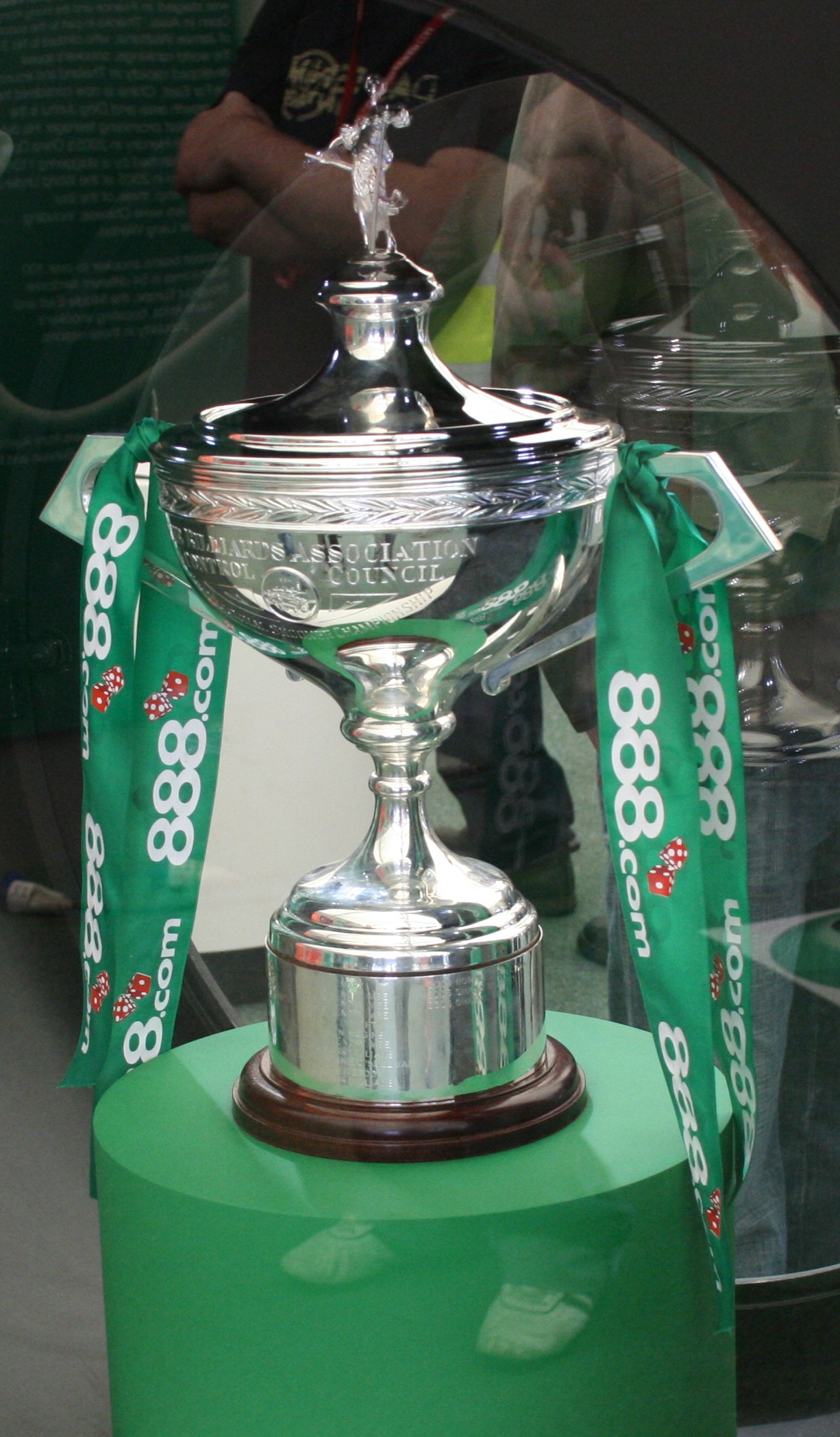




Format, venue and timing
Since 1977 the tournament has been staged at the Crucible Theatre in Sheffield, England, and that venue has contributed significantly to the event's modern identity. The tournament is played over about 17 days in late April and early May and uses a knockout format with progressively longer matches. The final is traditionally a marathon match played over a large odd number of frames (historically best of 35, first to 18), testing stamina and skill across multiple sessions.
History and governance
The event was established in 1927 and initially operated under different organisational arrangements, including the Billiards Association and Control Council and later various professional bodies. The modern professional governing body is the World Professional Billiards and Snooker Association. The championship experienced interruptions during World War II and a hiatus in the late 1950s and early 1960s when interest and professional structures changed. For an introduction to the competition itself see World Snooker Championship, and for the sport in general see snooker. The Crucible's home city is Sheffield in England.
Notable eras and champions
Championship history is often divided into eras. Early decades included challenge matches and smaller fields; from 1969 the championship settled into the knock-out format that defines the modern era. Several players stand out for multiple titles and sustained dominance. The event is also one of the three events regarded as snooker's Triple Crown, increasing its prestige. Its schedule has occasionally been affected by world events such as World War II.
- Joe Davis — the most dominant figure of the earliest period, with a long run of consecutive titles beginning with the inaugural event in 1927.
- Stephen Hendry — a defining champion of the 1990s who set a benchmark in the modern knockout era; see his profile at Stephen Hendry.
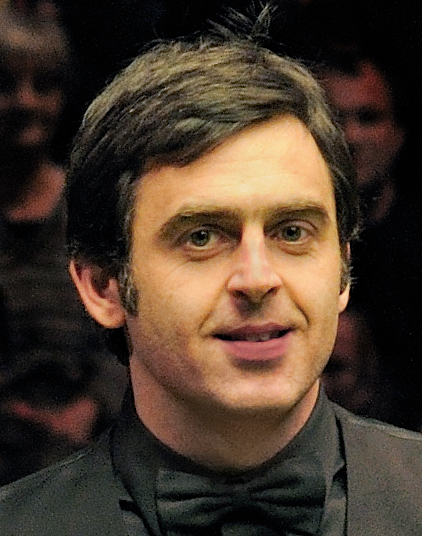
- Ronnie O'Sullivan, Steve Davis, Ray Reardon, and others — players known for multiple world titles across recent decades.
How champions and records are counted
When consulting lists of champions, pay attention to how records are described. Some sources treat the pre-1969 challenge format separately from the modern knockout era; others present a continuous list of winners from 1927 onward. Counts of titles, consecutive wins, and 'modern era' records are often used to compare players across different periods, but direct comparisons should note changes in format, field size and professional structures.
Importance and legacy
The list of world champions serves as a historical ledger of the sport's greatest performers. Winning the world title carries major sporting and cultural significance within snooker, often defining a player's career legacy. For readers seeking full chronological tables, comprehensive champion lists and match details are available through specialist histories and authorised records; these resources also explain match formats, seeding systems and how the event has evolved.
Further reading
For general context, tournament history and annual winner lists consult introductory resources and official records. Links above point to entry pages on the championship and the sport, while specialised histories provide detailed year-by-year results and statistical breakdowns. Many modern summaries also highlight notable finals, highest breaks and records within the championship's long history.
Questions and answers
Q: When was the World Snooker Championship founded?
A: The World Snooker Championship was founded in 1927.
Q: Where is the World Snooker Championship played currently?
A: The World Snooker Championship is currently played at the Crucible Theatre in Sheffield, England.
Q: When is the World Snooker Championship played?
A: The World Snooker Championship is played over 17 days in late April and early May.
Q: Which Triple Crown event is the World Snooker Championship chronologically?
A: The World Snooker Championship is chronologically the third of the three Triple Crown events of the season since 1977–78, when the UK Championship was first held.
Q: Who organises the World Snooker Championship?
A: The World Professional Billiards and Snooker Association is the governing body that organises the World Snooker Championship.
Q: Who is the best player at the World Snooker Championship?
A: Joe Davis is the best player at the World Snooker Championship, who won 15 consecutive titles between 1927 and 1946.
Q: Who holds the record in the modern era of knock-out tournament format for the World Snooker Championship?
A: Stephen Hendry holds the record in the modern era of knock-out tournament format for the World Snooker Championship by winning the title 7 times between 1990 and 1999.
Author
AlegsaOnline.com List of World Snooker Champions Leandro Alegsa
URL: https://en.alegsaonline.com/art/141699