
List of North Indian Ocean cyclone seasons
Annual compilations of tropical cyclone activity in the North Indian Ocean, covering the Arabian Sea and Bay of Bengal and used for monitoring, research, and disaster preparedness.
The list of North Indian Ocean cyclone seasons is a year-by-year catalogue of tropical cyclone activity in the northern Indian Ocean basin. The basin extends north of the Equator and incorporates two principal subregions: the Arabian Sea and the Bay of Bengal. Researchers, forecasters and historians use seasonal lists to summarise storms, tracks and impacts for each calendar year.
Image gallery
7 Images




Scope and monitoring
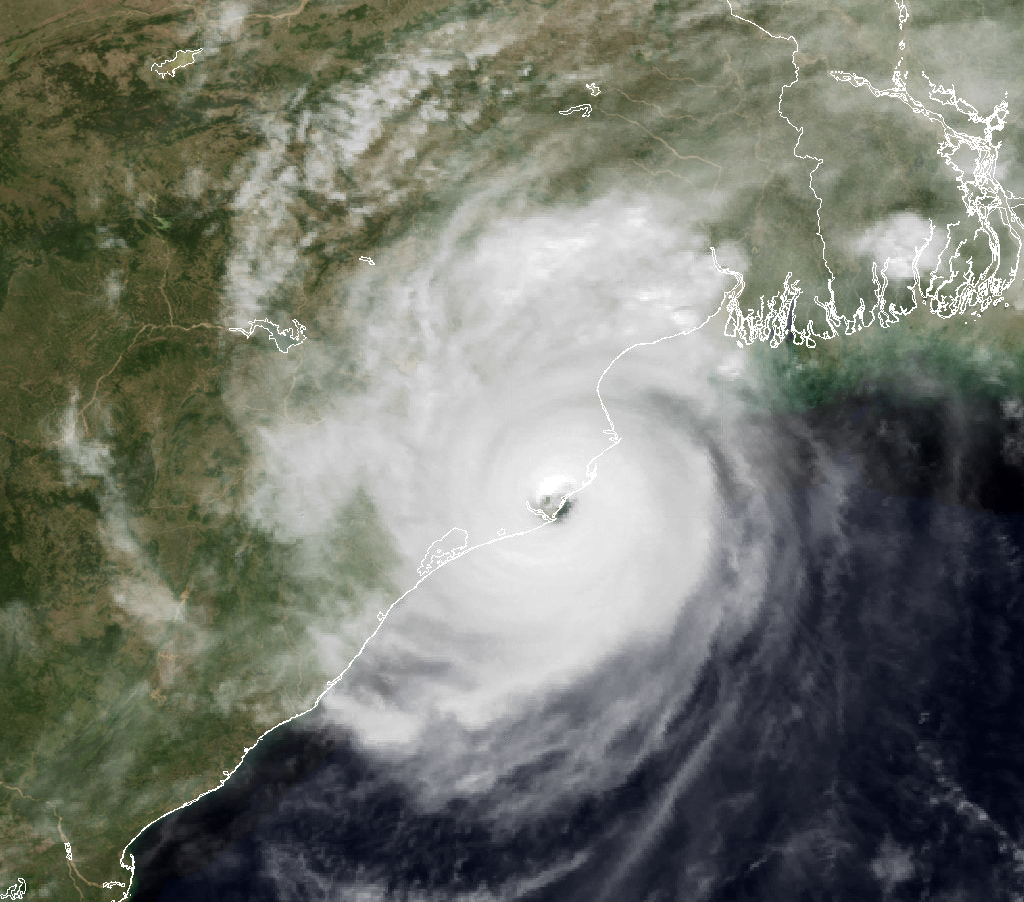
Official monitoring for the North Indian Ocean is coordinated by regional agencies, most notably the India Meteorological Department (IMD) acting as the Regional Specialized Meteorological Centre. Other agencies and centers such as the Joint Typhoon Warning Center provide supplementary analyses. The basin covered by these seasonal lists lies north of the equator and includes both the Arabian Sea and the Bay of Bengal (basin boundary, subregions).
Seasonal timing and behaviour
Unlike some ocean basins with a defined June–November season, the North Indian Ocean is active year‑round. Activity typically concentrates in two peaks: the pre‑monsoon period in April–June and the post‑monsoon period in October–December. Storm frequency and intensity vary with monsoon dynamics, sea surface temperatures and large‑scale climate patterns.
Typical content of a seasonal list
- Storm name or identifier and dates of existence
- Maximum intensity and classification
- Track summary and landfall locations
- Reported casualties, damage and affected areas
- References to official advisories and post‑season reports
Season lists are usually organised so that each storm entry links to a fuller report or synopsis. They serve as concise reference points for meteorologists, emergency managers and the public.
Historical importance and examples
The North Indian Ocean has produced some of the deadliest tropical cyclones on record, particularly when systems make landfall over low‑lying coasts and river deltas. Historical events illustrate the societal impacts that motivate careful seasonal record‑keeping and improvements in forecasting and warning systems.
Distinctions and notable facts
The Bay of Bengal is generally more active and prone to severe landfalling storms than the Arabian Sea, though powerful systems can form in either subregion. Regional classification schemes and naming conventions used in seasonal summaries reflect contributions from member countries and operational practices developed in the early 21st century.
Seasonal lists are valuable for climatological study, hazard assessment and public information. To learn more about how individual seasons are compiled or to consult year‑by‑year entries, follow regional agency resources and archival compilations (agency portal, regional summaries).
Author
AlegsaOnline.com List of North Indian Ocean cyclone seasons Leandro Alegsa
URL: https://en.alegsaonline.com/art/141652