
Brikama — city in The Gambia
Brikama is the second‑largest urban centre in The Gambia, known for crafts, music and regional administration. It serves as a commercial and cultural hub for the West Coast region.
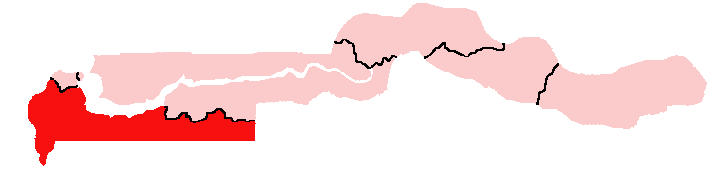
Brikama is the second-largest city in The Gambia and an important regional centre in the country. Located in the West Coast area southwest of the national capital, it had an estimated population of about 84,000 people in 2013. The town functions as a market and service hub for surrounding rural communities and is often referenced in discussions of Gambian culture and local commerce. See The Gambia for national context.
Image gallery
4 Images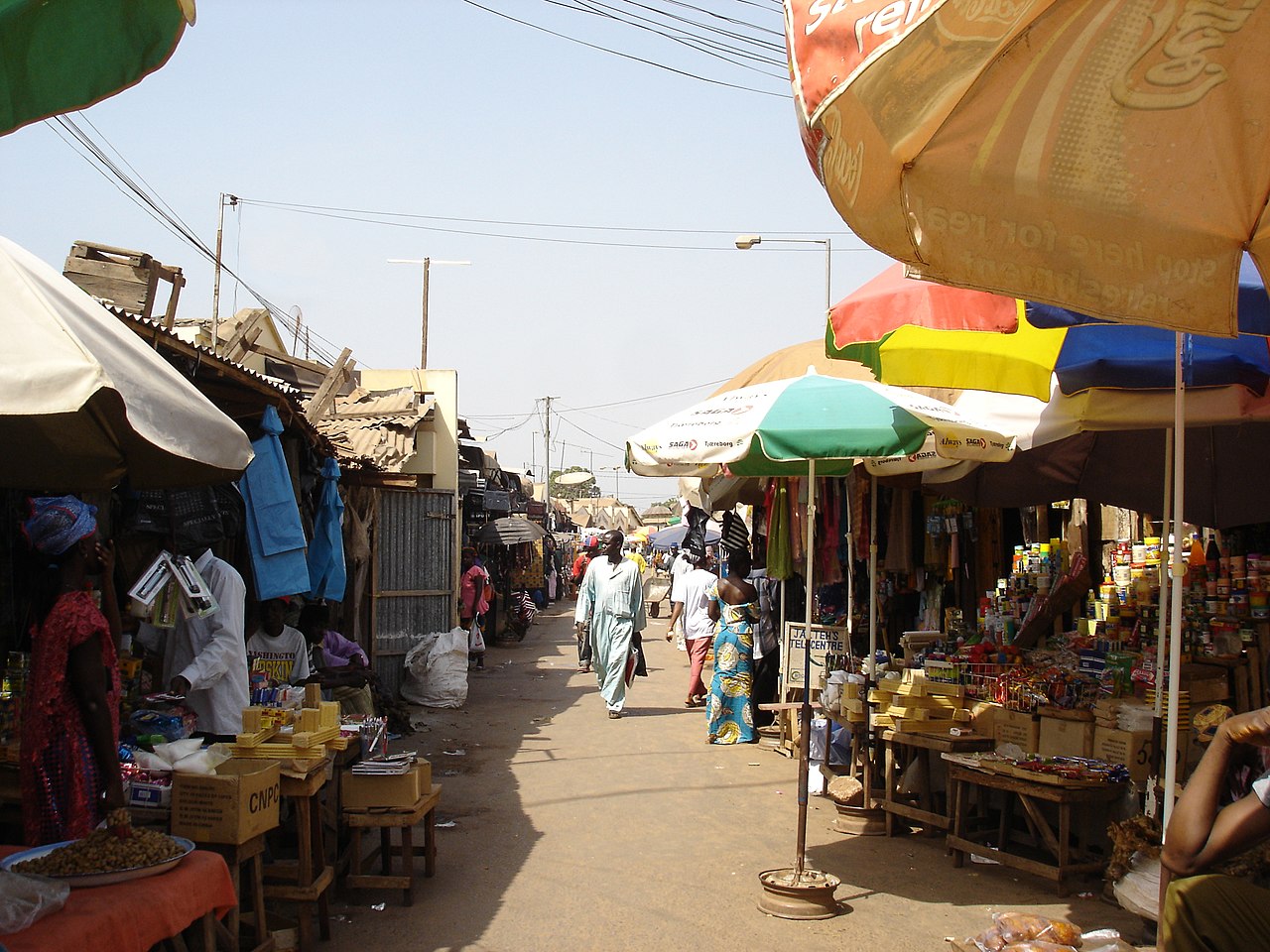


Characteristics and economy
Brikama's economy is a mix of small-scale trade, agriculture-related commerce and artisan production. Local markets sell agricultural produce, household goods and crafts. The town is especially noted for traditional crafts such as wood carving, basketry and other handwork that supply both local needs and tourist demand. Small enterprises, shops and informal businesses form the backbone of daily economic life.
Administration and transport
The town serves as an administrative centre for its district and hosts local government offices and community services. Road links connect Brikama with other towns and with Banjul, facilitating passenger minibuses and goods transport. Its position makes it a common stopping point for travelers moving between coastal resorts and inland settlements.
History, culture and society
Brikama draws on the region's Mandinka and other ethnic traditions. Music and oral performance remain important cultural features; the town is known for musicians and community festivals that preserve traditional songs and instruments. Colonial-era administrative changes influenced modern boundaries, but much of Brikama's identity is rooted in local social and craft traditions.
Services, education and notable facts
The town provides health clinics, secondary schools and vocational training institutions for the surrounding area, acting as a centre for basic services. While not a major tourist destination by itself, Brikama contributes to The Gambia's cultural tourism through its artisans and musical scene. Its combination of commerce, culture and local administration makes it a significant urban centre outside the capital.
Related articles
Author
AlegsaOnline.com Brikama — city in The Gambia Leandro Alegsa
URL: https://en.alegsaonline.com/art/14154