
Brinkley, Arkansas
Brinkley is a small city in the Arkansas Delta, noted for its Delta wetlands, birding opportunities, agricultural surroundings, and history as a regional transport and trade point.
Overview
Brinkley is a city in the U.S. state of Arkansas, situated within the lowland region commonly called the Arkansas Delta. It functions as a modest local center for nearby farming communities and as a gateway for visitors exploring the region's wetlands and wildlife areas. The city's character reflects the rural economy and cultural traditions of eastern Arkansas.
Image gallery
5 Images



Geography and character
Brinkley lies amid flat, fertile plains and remnant bottomland forests. The surrounding landscape is dominated by waterways, seasonal wetlands and managed fields, making the area well suited to both agriculture and migratory waterfowl. Transportation routes such as regional highways and rail lines link the city with larger markets and shaped its growth in the late 19th and early 20th centuries.
History and economy
The community developed with the expansion of river and rail transport and served local agricultural trade. Over time, mechanization and changes in commodity markets have altered the local economy; nonetheless, farming—especially crops typical of the Delta—and related services remain important. Historic buildings and the downtown area reflect that development, though the city has maintained a small-town scale.
Wildlife, recreation and culture
Brinkley is known to birdwatchers and outdoor visitors because it sits near important wetland habitats along the Mississippi Flyway. The area attracted national attention in the early 21st century when searches and reported sightings of the ivory-billed woodpecker were publicized, prompting scientific debate and drawing many observers. Nearby refuges and timbered waterways provide habitat for migratory ducks, wading birds and other wetland species, supporting recreational hunting, fishing and birding.
Points of interest and notable facts
- Access to Delta wetlands and national wildlife refuges.
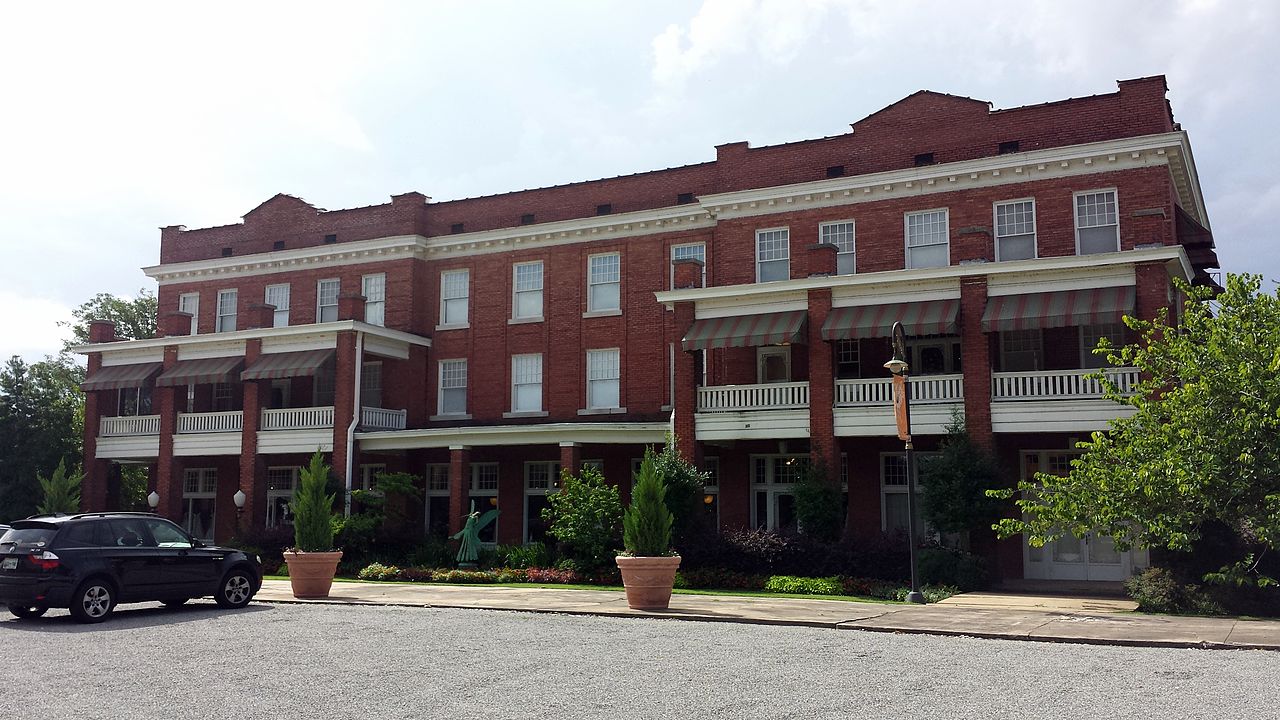
- Historic downtown and vestiges of railroad-era architecture.
- Outdoor activities tied to birding, fishing and seasonal waterfowl.
Today Brinkley remains a small but regionally recognized place where natural history and agricultural traditions intersect. Visitors commonly come for wildlife viewing, local events and to explore the cultural landscape of the Arkansas Delta.
Related articles
Author
AlegsaOnline.com Brinkley, Arkansas Leandro Alegsa
URL: https://en.alegsaonline.com/art/14175