
Life (magazine)
Life was an influential American photo‑centric general interest magazine, renowned for its weekly photojournalism (1936–1972), later monthly issues, special editions and a 21st‑century digital photo channel.
Overview
Life was an American general‑interest magazine that became synonymous with large‑format photojournalism. Launched in 1936 by publisher Henry R. Luce, the magazine combined documentary photography, feature reporting and illustrated news to reach a broad readership. For several decades it set standards for visual storytelling and played a prominent role in shaping public perception of political events, cultural trends and everyday life.
Image gallery
4 Images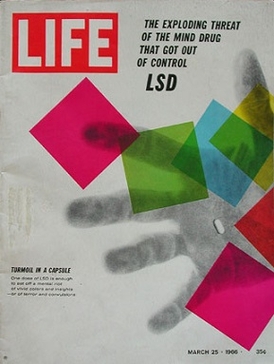


Founding and early years
The magazine's modern incarnation began in the mid‑1930s and quickly gained attention for its use of powerful single images and multi‑page photo essays. Its editorial model emphasized commissioning skilled photographers to produce narrative sequences that could stand alongside written reporting. This approach helped establish Life as a national forum for photo‑based reportage.
Photographic style and innovation
Life made pictures central to storytelling, often using full‑page and double‑page spreads and clear captions to guide readers. The publication supported extended photo essays that followed subjects over time, from conflicts and political campaigns to social movements and popular culture. The magazine's visual emphasis is often cited as a major influence on later illustrated media and on the development of modern photojournalism; see collections and retrospectives on photography for examples of its work and method.
Major coverage and cultural impact
During its peak period Life published extensive photographic coverage of events such as World War II, mid‑century politics, civil rights struggles and shifting cultural fashions. Its images were widely reproduced and discussed, and many photo essays became defining visual records of the 20th century. The magazine also ran profiles, human‑interest pieces and celebrity features that reached millions of readers.
Publication changes and later formats
Life appeared weekly through 1972, after which rising production costs and changing media consumption led to a suspension of the original weekly edition. It returned as a monthly publication from 1978 until 2000. In subsequent years the Life brand continued through special issues and themed releases under the ownership of Time Inc., a brief relaunch as a weekly newspaper edition in the mid‑2000s, and later as an online photo channel integrated into a larger media platform.
Archives, digital presence and access
Life's photographic archives remain an important resource for historians, educators and documentarians. Prints and negatives from its long run have been preserved, curated and made available through archival projects and licensed partners. On January 30, 2012, the LIFE.com domain was relaunched as a dedicated photo channel and integrated into a broader digital collection, expanding public access to the magazine's images.
Legacy and contributors
Many photographers and editors associated with Life—whose names appear in histories of 20th‑century visual reporting—helped shape modern photojournalism. The magazine's model influenced illustrated books, television documentary style and contemporary online visual journalism. Reprints, curated exhibitions and digital galleries continue to introduce Life's photographic record to new audiences and scholarly study.
- Typical content: multi‑page photo essays, in‑depth features, profiles and event coverage.
- Influence: set visual norms for news photography and long‑form picture essays.
- Access: archives and reproductions provide primary sources for 20th‑century history research.
Author
AlegsaOnline.com Life (magazine) Leandro Alegsa
URL: https://en.alegsaonline.com/art/141488