
Lee J. Cobb — American stage and screen actor (1911–1976)
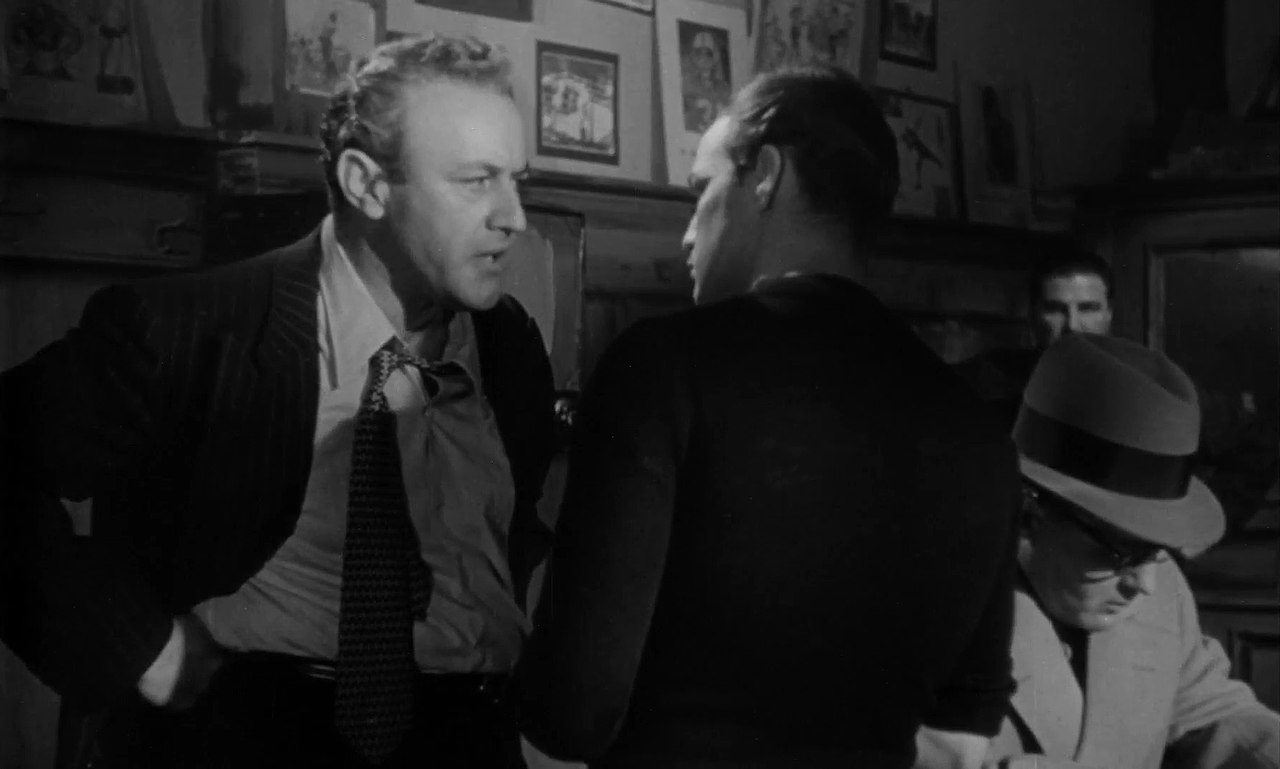
Lee J. Cobb (1911–1976) was an American stage, film and television actor noted for intense, authoritative performances in works such as 12 Angry Men, On the Waterfront and The Exorcist.
Overview
Lee J. Cobb was a prominent American actor whose career spanned stage, film and television from the 1930s until his death in 1976. Born in the Bronx, New York, he became known for a commanding presence, a gravelly voice and roles that often cast him as tough, conflicted or authoritative figures. He achieved broad recognition for performances in films such as 12 Angry Men, On the Waterfront and later in The Exorcist. For general biographical summaries see biographical sources.
Image gallery
5 Images


Early life and theatre
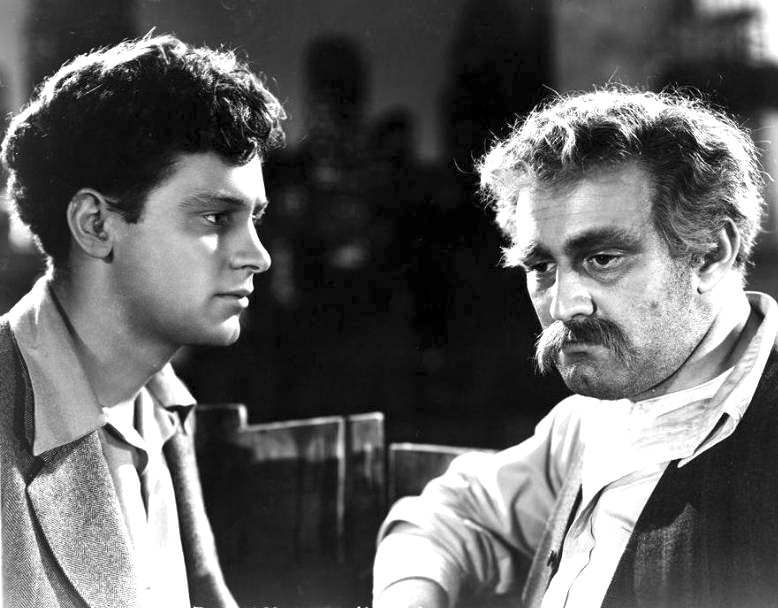
Cobb was born on December 8, 1911, in the Bronx and raised in a working‑class immigrant household. He began acting in local and Yiddish theatre before moving into Broadway and the ensemble stages that shaped American theatre in the 1930s and 1940s. His early stage work established him as a serious dramatic performer and led to longer engagements on Broadway and in regional repertory companies.
Film career
On screen, Cobb was frequently cast in roles that exploited his authoritative voice and emotionally charged style. His portrayal of an obstinate juror in 12 Angry Men remains a widely cited example of concentrated character work in a confined, dialogue‑driven drama. In On the Waterfront he played a forceful antagonist, and in later years he appeared as a pragmatic investigator in The Exorcist. Across his film work he was valued for the psychological depth and intensity he brought to supporting and leading parts.
Television and later work
Cobb worked steadily in television, taking guest roles, series parts and television movies that extended his reach to new audiences. He continued to return to the stage periodically throughout his career, balancing screen work with live performance and demonstrating the versatility that characterized his professional life.
Political climate and professional challenges
Like many artists of his generation, Cobb's career intersected with the political tensions of mid‑century America. He experienced professional difficulties during the era of anti‑communist investigations that affected numerous performers and theatre practitioners. While such events interrupted careers and reputations, Cobb continued to work and rebuilt his presence in film and television in subsequent decades.
Acting style and legacy
Cobb's acting was marked by a muscular intensity, attention to psychological detail and a capacity for volatile, emotionally charged scenes. His work influenced later character actors and remains studied for its combination of forceful emotion and nuance. Contemporary discussions of American realism in acting often cite his performances as illustrative of mid‑century trends.
Notable roles and family
- 12 Angry Men — powerful ensemble courtroom drama, widely cited for its character work (film).
- On the Waterfront — significant supporting role in a landmark social drama (film).
- The Exorcist — later‑career appearance as an investigating officer (film).
Cobb maintained ties to his New York roots and is often described in relation to the Bronx and the broader city where he began his career (Bronx, New York). His daughter, Julie Cobb, also worked as an actress, continuing the family's connection to the performing arts.
Death
Lee J. Cobb died on February 11, 1976, in Woodland Hills, California, of a heart attack. He was remembered for a career that bridged stage and screen and for performances that combined psychological depth with commanding presence.
Author
AlegsaOnline.com Lee J. Cobb — American stage and screen actor (1911–1976) Leandro Alegsa
URL: https://en.alegsaonline.com/art/141354