
Lee Elder (1934–2021): Pioneering American Golfer
Lee Elder was an American professional golfer who broke racial barriers by becoming the first African American to compete in the Masters Tournament in 1975 and influenced later generations.
Overview
Robert Lee Elder (July 14, 1934 – November 28, 2021) was an American professional golfer best known for breaking a major racial barrier in the sport. In 1975 he became the first African American to play in the Masters Tournament, an achievement recognized as a watershed moment for golf and for broader efforts toward equality in athletics. Elder's life and career spanned eras of deep segregation and gradual integration in American sports.
Image gallery
2 Images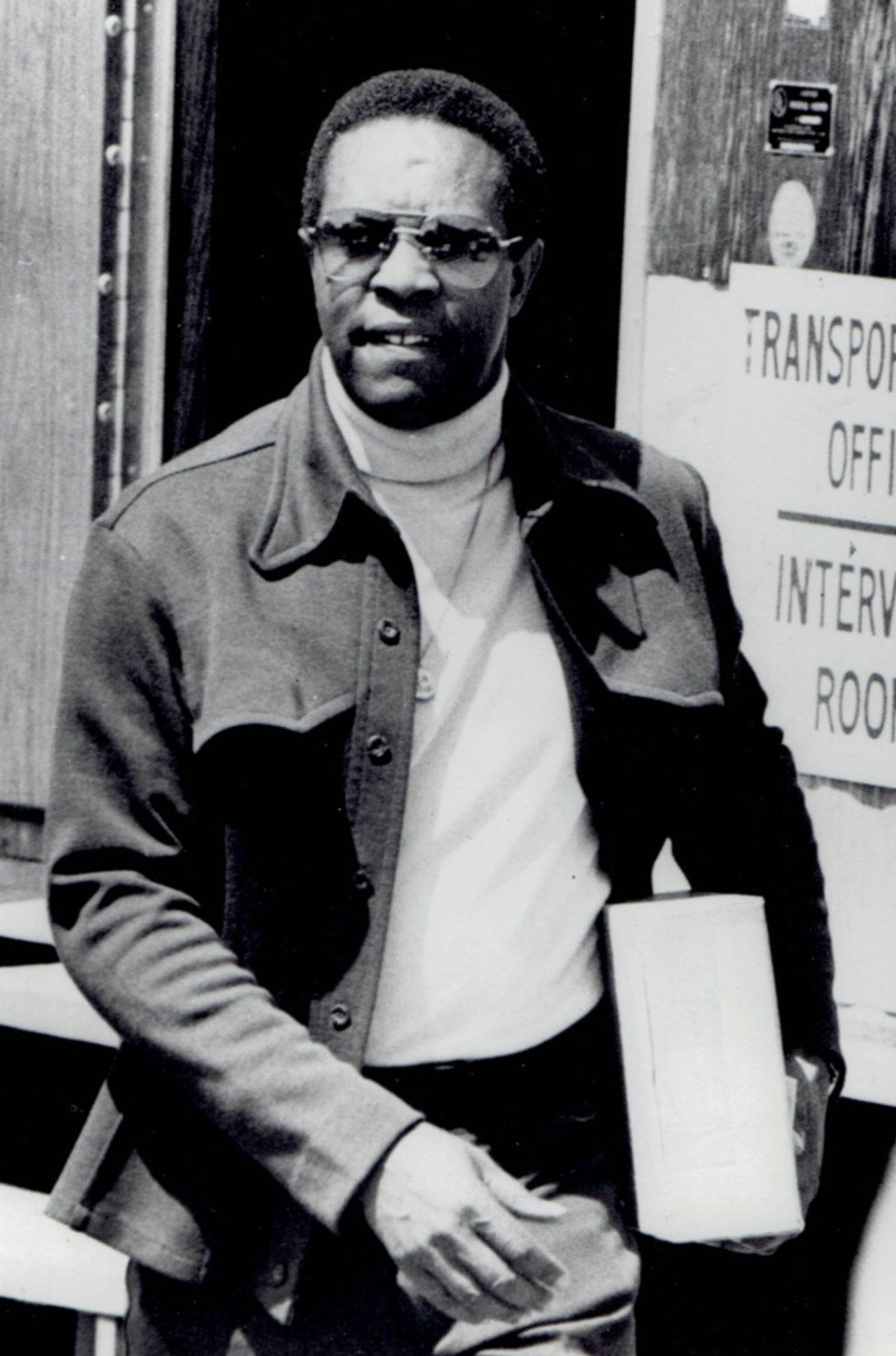

Early life and rise
Elder was born in Dallas, Texas, in 1934. He learned the game and developed his skills while navigating the social restrictions of the era. Through regional tournaments and qualifying events he advanced to the highest levels of professional golf. His progression from local competitions to the PGA Tour demonstrated both sporting talent and persistence in the face of limited opportunities for Black players at the time.
Career and significance
On the professional circuit, Elder competed against many of the best players of his generation. His invitation and participation in the Masters in 1975 was widely covered and symbolized a shift in attitudes within institutional golf. While his playing record includes notable finishes and competitive outings, his lasting legacy is as a barrier-breaker whose presence at the Masters opened doors for future players of diverse backgrounds.
Legacy and recognition
Elder's impact goes beyond individual results: he served as an example that the highest stages of golf were accessible to players regardless of race. His career helped inspire younger golfers and contributed to steady changes in access, sponsorship, and media attention for minority athletes. Tributes after his death highlighted both his sporting achievements and his role in social progress.
Notable facts
- Born July 14, 1934 in Dallas, Texas.
- First African American to play in the Masters Tournament (1975).
- Remembered for helping to broaden participation in professional golf.
- Died November 28, 2021 in Escondido, California.
Elder's story is frequently cited when discussing the integration of professional sports in the United States and remains a reference point in histories of golf. For more detailed timelines and archival material, consult contemporary accounts and specialized sports histories that document his tournaments and interviews.
Further reading and archival sources may be found through major sports libraries and institutional collections that preserve coverage of mid-20th-century golf and civil rights in athletics. See also institutional records and biographies that place Elder's career in the context of changing professional golf structures and opportunities.
Author
AlegsaOnline.com Lee Elder (1934–2021): Pioneering American Golfer Leandro Alegsa
URL: https://en.alegsaonline.com/art/141348