
Brigham (Allerdale, Cumbria)
Brigham is a small village and civil parish in the borough of Allerdale in Cumbria, England, with a recorded population of 480 at the 2001 census and a mainly rural character.
Brigham is a village and civil parish in the borough of Allerdale, Cumbria, in north‑west England. It is a small, rural settlement with a parish council and the kinds of local institutions typically found in English villages. The 2001 census recorded 480 residents in Brigham; like many rural communities the population has varied over time with changes in agriculture and local employment.
Image gallery
3 Images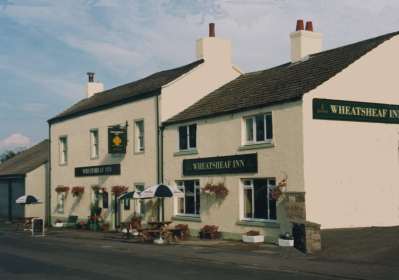
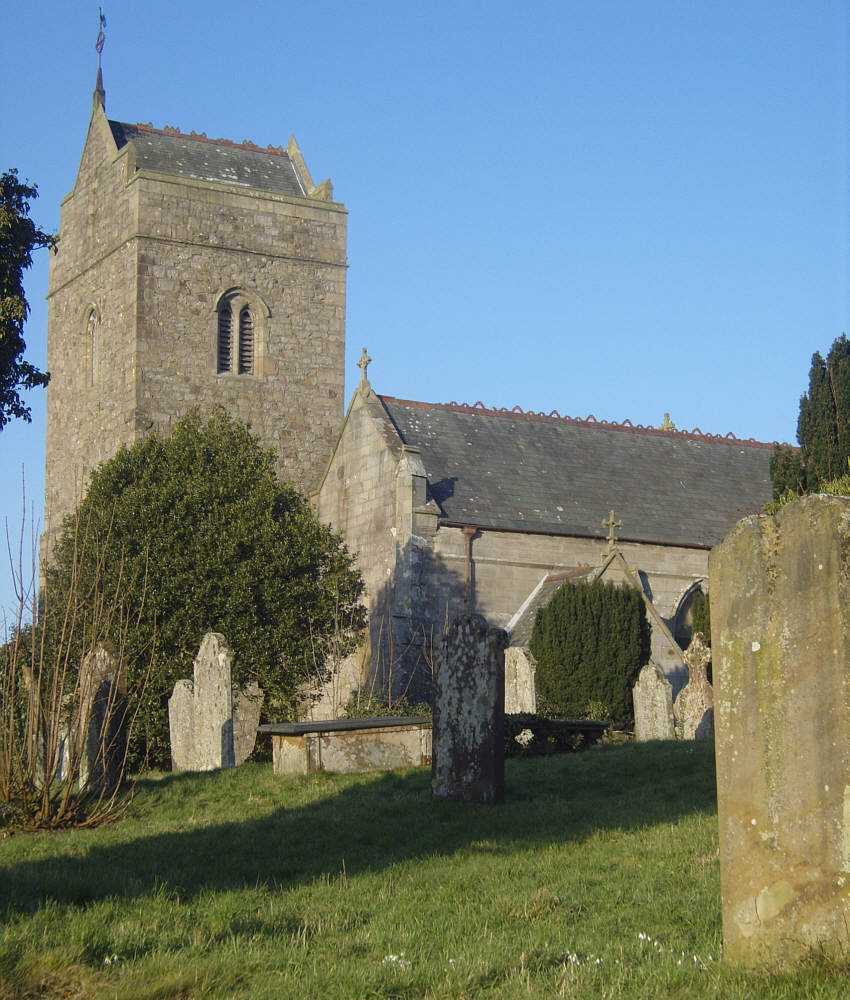

Characteristics and local features
As a village and parish, Brigham comprises residential properties, farmland and associated outbuildings. Typical features include a parish church or place of worship, a village hall or meeting place, and small local businesses or farms that serve the surrounding countryside. The built environment tends to reflect local vernacular materials and modest scale rather than urban development.
- Rural landscape and farmland surrounding the settlement.
- Local community institutions such as a parish council and a village hall.
- Small local services and occasional shops or public houses in or near the village.
History and name
The place-name Brigham is of old origin and is commonly interpreted as referring to a homestead or settlement associated with a bridge or crossing; many English place-names combine elements meaning a dwelling (ham) with a landscape feature. Like other villages in Cumbria, Brigham’s development has been shaped by agriculture, parish structures and local transport routes over several centuries.
Historic buildings and features typical of the area may survive in and around the village, reflecting local architectural traditions and the long continuity of rural settlement in this part of England.
Administration, economy and significance
Brigham is administered at the civil parish level and forms part of larger district and county arrangements for services and planning. The local economy is largely rural in character, often based on farming, small enterprises and commuting to nearby towns for employment. Villages such as Brigham are valued for their community life, landscape setting and role in preserving regional heritage.
Related articles
Author
AlegsaOnline.com Brigham (Allerdale, Cumbria) Leandro Alegsa
URL: https://en.alegsaonline.com/art/14126
Sources
- neighbourhood.statistics.gov.uk : Neighbourhood Statistics