
Knox County, Tennessee
Knox County is a county in eastern Tennessee with Knoxville as its county seat. It is a regional center for education, healthcare, manufacturing and culture, with roots in early American frontier history.
Knox County is located in the eastern portion of the U.S. state Tennessee. The county serves as a population, economic and cultural hub for the surrounding region; its county seat is Knoxville, a city founded in the 1790s. According to the 2010 census, the county had a population of 432,226, and it has continued to grow as part of the Knoxville metropolitan area.
Image gallery
7 Images


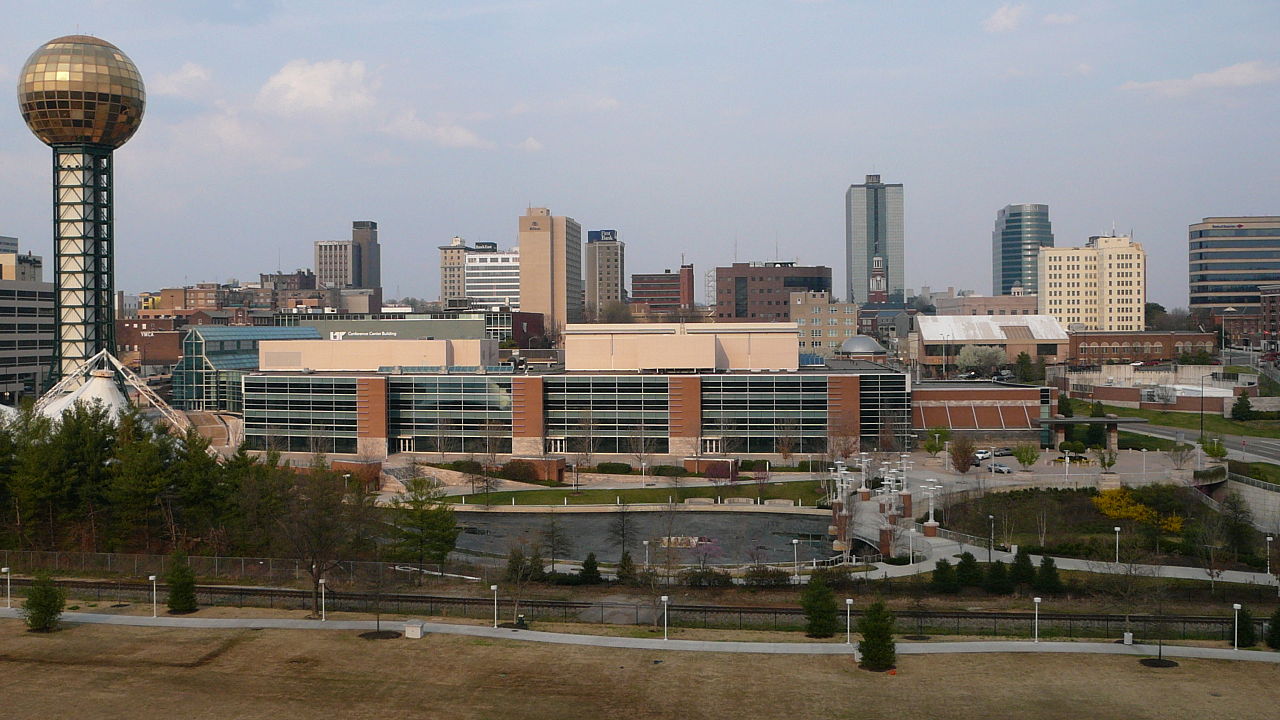


Geography and environment
Knox County occupies a transition zone between the Appalachian foothills and the Tennessee Valley. The Tennessee River and a network of creeks and small lakes influence local recreation and industry, and several parks, nature preserves and greenways provide outdoor access close to urban neighborhoods. The county’s terrain includes rolling hills, wooded ridges and river valleys that link it to the nearby Great Smoky Mountains.
History
Established during the early years of Tennessee’s statehood, Knox County was named for Henry Knox, the first U.S. Secretary of War. Knoxville developed as a frontier town and later became an important antebellum and Civil War era community; East Tennessee was notable for its Unionist sentiment, and military actions such as the Siege of Knoxville left visible marks on the county’s historical memory. Over the 19th and 20th centuries the county evolved from an agricultural frontier into an industrial and institutional center.
Economy, education and institutions
Knox County’s economy is diversified. Major employment sectors include education, healthcare, manufacturing and research. The University of Tennessee flagship campus in Knoxville is a leading educational and cultural institution, while regional hospitals and medical centers serve broad catchment areas. Technology firms, manufacturers and service industries are important employers that connect the county to national and global markets.
Transportation and civic life
Interstate highways provide east–west and north–south connections through the county, and a nearby commercial airport serves passenger and cargo traffic. Local government, municipal services and civic organizations in Knoxville and the county work together to manage growth, land use and cultural programming. The county hosts festivals, university sporting events and a variety of arts institutions that attract residents and visitors.
Points of interest and notable facts
- Knoxville serves as the county seat and cultural core.
- Outdoor recreation ranges from riverside parks to nearby mountain trails.
- Historic sites reflect frontier settlement and Civil War-era events.
- Major institutions and universities anchor research, medicine and the arts.
For additional demographic and administrative details consult official county and state sources or regional planning documents that provide current statistics and maps of municipal boundaries and services. Further information is available through local archives, university collections and civic organizations.
Author
AlegsaOnline.com Knox County, Tennessee Leandro Alegsa
URL: https://en.alegsaonline.com/art/140994