
Kim Yong-nam: North Korean politician and longtime ceremonial head of state
Senior North Korean official, Foreign Minister (1983–1998) and President of the Presidium of the Supreme People's Assembly (1998–2019), who represented the DPRK in international diplomacy.
Kim Yong-nam (Hangul: 김영남; Hanja: 金永南; born 4 February 1928) is a veteran North Korean politician best known for serving as President of the Presidium of the Supreme People's Assembly, the state organ that conducts certain head-of-state functions for the Democratic People’s Republic of Korea (DPRK). His public career stretches across several decades and three generations of North Korean leadership.
Image gallery
2 Images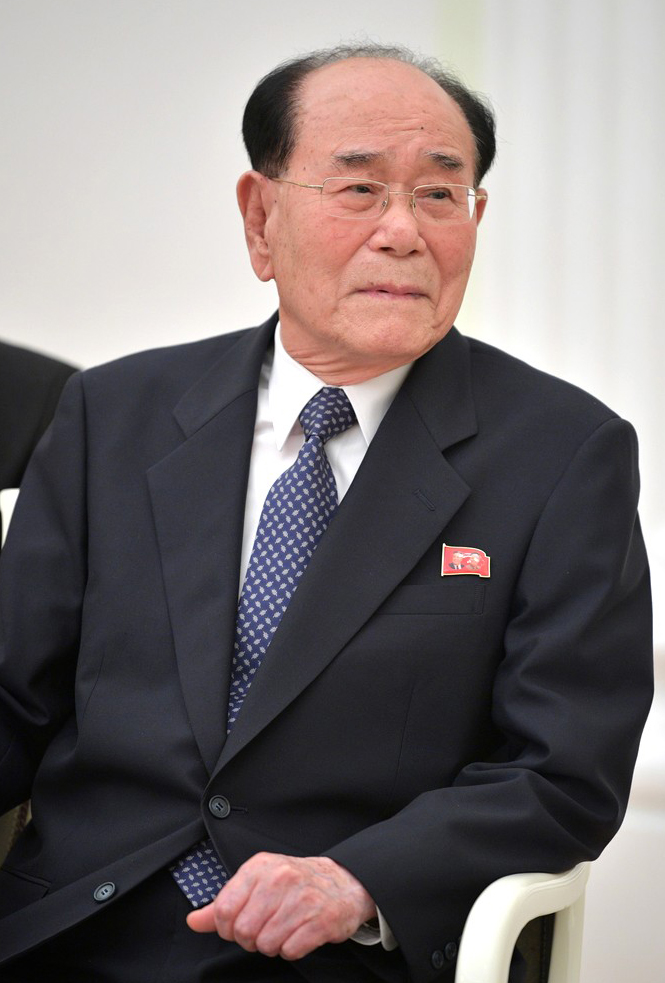

Roles and responsibilities
Kim held the post of President of the Presidium from 1998 until 2019. In that capacity he performed ceremonial and diplomatic duties such as receiving foreign envoys, signing credentials, and representing the DPRK abroad when the country's supreme leader did not travel. Before assuming the Presidium presidency, he served as Minister of Foreign Affairs from 1983 to 1998, managing overseas relations and state protocol on behalf of Pyongyang.
Career highlights and timeline
- 1983–1998: Minister of Foreign Affairs, overseeing bilateral relations and state visits.
- 1998–2019: President of the Presidium of the Supreme People's Assembly, acting as the formal head of state in many diplomatic settings.
- 2010: Elected to the Presidium of the Politburo of the Central Committee of the Workers' Party of Korea, reflecting standing within the ruling party.
- 2019: Relinquished the Presidium presidency as the party and state leadership reorganized central positions.
Throughout his tenure Kim was often the DPRK's chief international interlocutor for ceremonial diplomacy: attending inaugurations, funerals, and multilateral events, and conducting state visits to countries with formal ties to Pyongyang. His frequent presence at such occasions made him one of the best-known North Korean faces to foreign audiences.
Although the real locus of political power in North Korea rests with the supreme leader and inner party leadership, Kim's long service marked him as a reliable and experienced official entrusted with the state's external visibility. Observers have noted his role as a protocol and continuity figure who maintained formal relations and public representation through periods of transition.
Notable distinctions include both the longevity of his career and the span of administrations he served. While primarily a ceremonial figure in later years, Kim Yong-nam's work in foreign affairs and his repeated appearances at high-level diplomatic events contributed to the DPRK's external posture during his decades of service.
Author
AlegsaOnline.com Kim Yong-nam: North Korean politician and longtime ceremonial head of state Leandro Alegsa
URL: https://en.alegsaonline.com/art/140904