
Kamran Mirza: Mughal prince and governor (1509–1557)
Kamran Mirza, a son of Babur, governed Kabul and Kandahar and contested succession after Babur's death. His rivalry with his brother Humayun shaped early Mughal struggles and ended in capture and exile.
Kamran Mirza (1509–October 1557) was a Timurid prince of the early Mughal dynasty and the second son of Babur, the founder of the Mughal Empire. Born in Kabul, he became a prominent regional governor and a leading figure in the dynastic disputes that followed Babur's death.
Image gallery
3 Images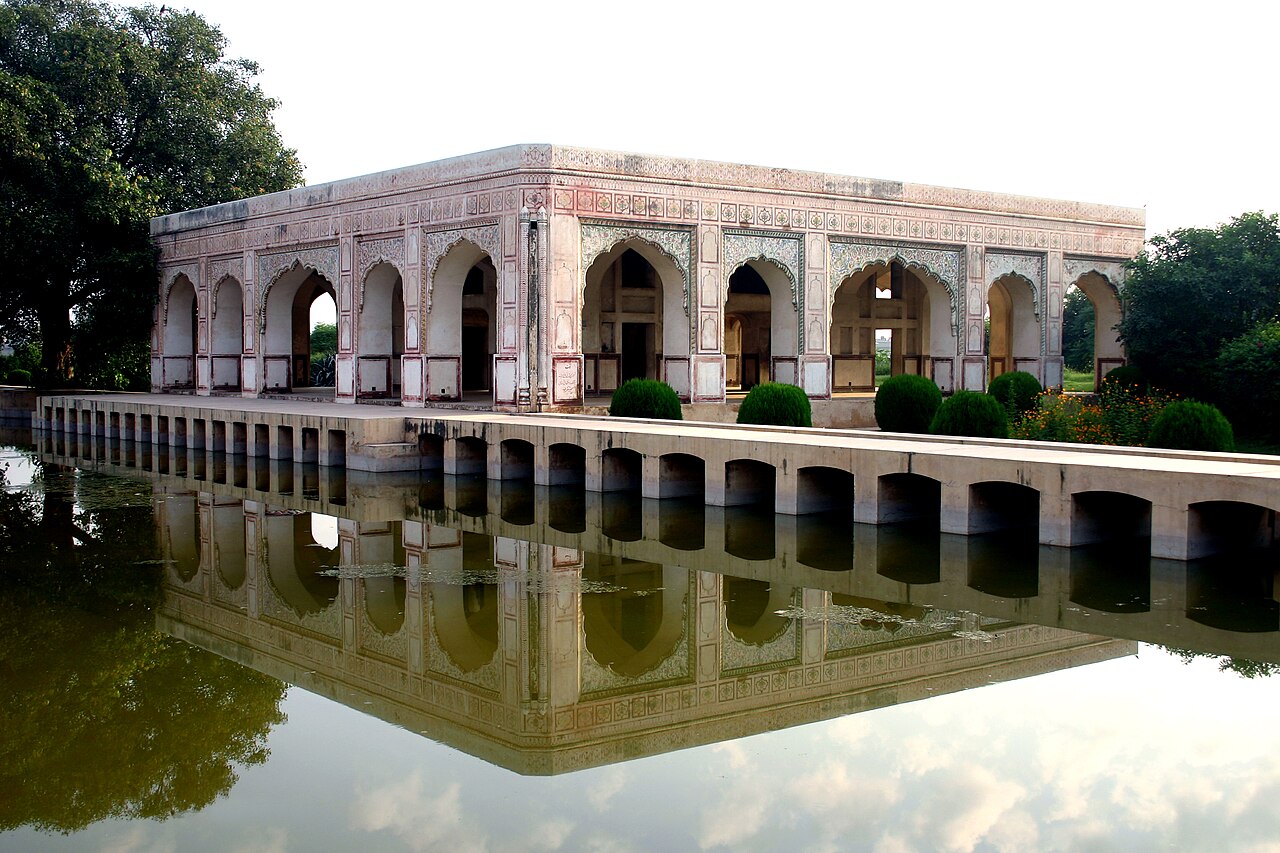


Early life and position
Raised in the Timurid tradition of Central Asian princely courts, Kamran received administrative and military responsibilities at a young age. He was assigned control over the northwestern flank of the family's territories, chiefly the cities and routes that linked Afghanistan to the Indian plains. His power base around Kabul and nearby regions made him one of the most important Mughal princes outside the emperor's immediate court.
Rule, rivalry and alliances
After Babur's death, succession passed to Kamran's elder brother Humayun. Kamran retained de facto autonomy in his provinces and repeatedly resisted Humayun's attempts to assert centralized control. During the 1530s and 1540s he pursued his own political course, forming shifting alliances and sometimes acting in concert with local Afghan and Central Asian powers. Those disputes weakened Mughal unity and helped outside rivals to gain advantage.
- Territorial base: Kabul and surrounding Afghan regions, with influence toward Kandahar and frontier cities.
- Role: Provincial governor, military commander and contestant in dynastic succession.
- Outcome: Captured, punished by imperial order and exiled; died in 1557.
Kamran's opposition to Humayun contributed to a period of instability that coincided with the rise of Sher Shah Suri and the temporary displacement of Humayun from India. When Humayun eventually regained strength, he moved against his brothers to reestablish centralized rule. Kamran was captured and—by Humayun's command—was rendered politically neutral and sent away from the Mughal power base.
Legacy
Kamran Mirza is remembered as an able provincial ruler whose ambition and rivalry with Humayun exemplify the centrifugal pressures on nascent dynasties. His life illustrates how family competition, regional loyalties and external enemies shaped the early decades of the Mughal state and delayed its consolidation under a single sovereign.
Questions and answers
Q: Who is Kamran Mirza?
A: Kamran Mirza is the second son of Babur, the founder of the Mughal Empire, and the first Mughal Emperor.
Q: What was Kamran Mirza's nickname?
A: Kamran Mirza's nickname was simply Kamran.
Q: When was Kamran Mirza born?
A: Kamran Mirza was born in 1509.
Q: Who was Kamran Mirza's mother?
A: Kamran Mirza's mother was Gulrukh Begum, one of Babur's wives.
Q: Where was Kamran Mirza born?
A: Kamran Mirza was born in Kabul.
Q: When did Kamran Mirza die?
A: Kamran Mirza died on October 5th or 6th in 1557.
Q: What was Kamran Mirza's relationship to Babur?
A: Kamran Mirza was the second son of Babur.
Author
AlegsaOnline.com Kamran Mirza: Mughal prince and governor (1509–1557) Leandro Alegsa
URL: https://en.alegsaonline.com/art/140695