
K. Balachander — Indian Filmmaker, Playwright and Screenwriter
Kailasam Balachander (1930–2014) was a pioneering Indian director, writer and producer noted for bold social dramas, strong women characters, mentoring actors and shaping modern Tamil cinema.
Kailasam Balachander was an influential Indian filmmaker, playwright and screenwriter whose career spanned theatre, cinema and television. Born in Nannilam in the Madras Presidency, he became renowned for films that challenged social norms and foregrounded complex characters. He worked as a director and a screenwriter, producing a body of work that remains a reference point for generations of Indian storytellers.
Image gallery
3 Images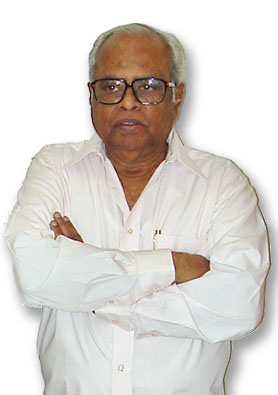


Early life and entry into film
Balachander began in stage drama and moved into cinema, bringing theatrical intensity and tightly structured scripts to the screen. His early films established him as a director willing to take creative risks; one of his best-known early features is Neerkumizhi (1965). He was born in what is today Tamil Nadu, in the town of Nannilam, and his theatre background continued to inform his cinematic style throughout his career.
Style and themes
His films are widely recognized for focusing on social issues, gender relations and the inner lives of ordinary people. Balachander often created strong female protagonists and explored themes such as love across social boundaries, moral ambiguity and the pressures of modern life. Critics and audiences noted his ability to mix melodrama with realism and to elicit nuanced performances from actors.
Key works and collaborators
- Selected films that illustrate his range include foundational works in Tamil cinema such as Neerkumizhi and other socially pointed dramas.
- He mentored and worked closely with actors who later became stars; he is often credited with nurturing talents such as Kamal Haasan and introducing Rajinikanth to films.
- In later decades he also wrote and produced television serials and continued to experiment with form and casting.
Awards, recognition and legacy
Balachander received national recognition for his contributions to Indian arts, including civilian honours and multiple film awards. His influence is visible in the careers of many filmmakers and actors who followed, and in the persistence of socially engaged storytelling in regional cinema.
He died in Chennai after a period of illness; reports cited a urinary tract infection as a cause of death, and he was 84 at the time. Contemporary obituaries noted his lasting impact on Tamil film and television and his reputation as a director who combined stagecraft, moral inquiry and a readiness to challenge convention. For further reading and archived materials see profiles and retrospectives listed by major film institutions: health and obituary summary, city reports, state cultural notices.
Author
AlegsaOnline.com K. Balachander — Indian Filmmaker, Playwright and Screenwriter Leandro Alegsa
URL: https://en.alegsaonline.com/art/140675