
Josef Korbel
Czechoslovak-born diplomat and American scholar (1909–1977); influential teacher of U.S. foreign-policy practitioners and founder of a leading school of international studies.
Josef Korbel (born Josef Körbel, 20 September 1909 – 18 July 1977) was a Czechoslovak-born diplomat and later an American political scientist and educator. His career bridged practical diplomacy in Central Europe and academic training in the United States. He is remembered for his work on diplomacy, refugee affairs and the politics of Central and Eastern Europe, and for shaping several prominent figures in American foreign policy.
Image gallery
1 Image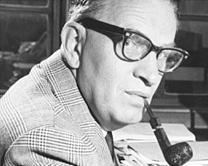
Early life and background
Korbel was born in Kyšperk (now Letohrad) in what was then Czechoslovakia. Of Jewish descent, he grew up in a period of profound political change in Central Europe. He trained for a career in the diplomatic service and worked in Czechoslovak government circles in the years before and during the early postwar period. The communist takeover in Czechoslovakia and the changing security environment in 1948 led him and his family to leave the country and seek opportunities abroad.
Emigration and American career
After emigrating from Czechoslovakia, Korbel settled in the United States, where he became an influential teacher and scholar. He is often described as a Czechoslovak diplomat turned academic, combining first-hand diplomatic experience with rigorous study. In 1957 he became a United States citizen, and he spent the remainder of his career developing programs in international studies and training future diplomats, analysts and policymakers.
Academic contributions
Korbel taught courses on diplomacy, international relations, and refugee policy, and he published on subjects connected to Cold War politics and the challenges facing displaced populations. His work emphasized the practical dimensions of statecraft as well as the ethical and legal issues surrounding refugees and asylum. He played a central role in building graduate education in international affairs at the institution with which he was long associated; that institution later honored him by adopting his name for its school of international studies.
Family and students
Korbel's family and his students have continued to shape public life. He was the father of Madeleine Albright, who served as United States Secretary of State, and he was an important mentor in the lives of many students. Among those who counted him as a teacher and influence was Condoleezza Rice, who also later served as U.S. Secretary of State. His role as an educator contributed to his reputation as a formative figure for a generation of American foreign-policy practitioners.
Legacy
Korbel's legacy rests on two complementary contributions: his experience and insights as a former diplomat from Central Europe, and his long-term impact as an educator in the United States. Through his writing and teaching he helped bring attention to refugee issues and the complexities of diplomacy in a polarized world. The school that bears his name continues to train students in international relations and public policy, reflecting his enduring influence on the study and practice of foreign affairs.
- Born Josef Körbel in Kyšperk (now Letohrad), 1909; died in the United States, 1977.
- Emigrated from Czechoslovakia after the communist consolidation of power; became an American citizen in 1957.
- Combined diplomatic experience with academic teaching and writing on international affairs and refugee policy.
- Father of Madeleine Albright and teacher to figures such as Condoleezza Rice.
Korbel's life illustrates the movement of European diplomats and intellectuals into American universities after World War II and their role in shaping Cold War debates and postwar policy education. For readers interested in further detail, archival materials, published works, and institutional histories provide additional context about his career and influence.
Author
AlegsaOnline.com Josef Korbel Leandro Alegsa
URL: https://en.alegsaonline.com/art/140603