
Ipswich, Massachusetts: Coastal town, history, and natural features
Ipswich is a historic coastal town in Essex County, Massachusetts, known for colonial architecture, salt marshes, seafood traditions, and recreational beaches. Population was 13,175 at the 2010 census.
Overview
Ipswich is a coastal New England town in Essex County, in the northeastern part of Massachusetts. Settled in the early 17th century, it retained much of its colonial character and has long been associated with maritime activities, salt marshes and sandy beaches. The population was 13,175 at the 2010 census.
Image gallery
10 Images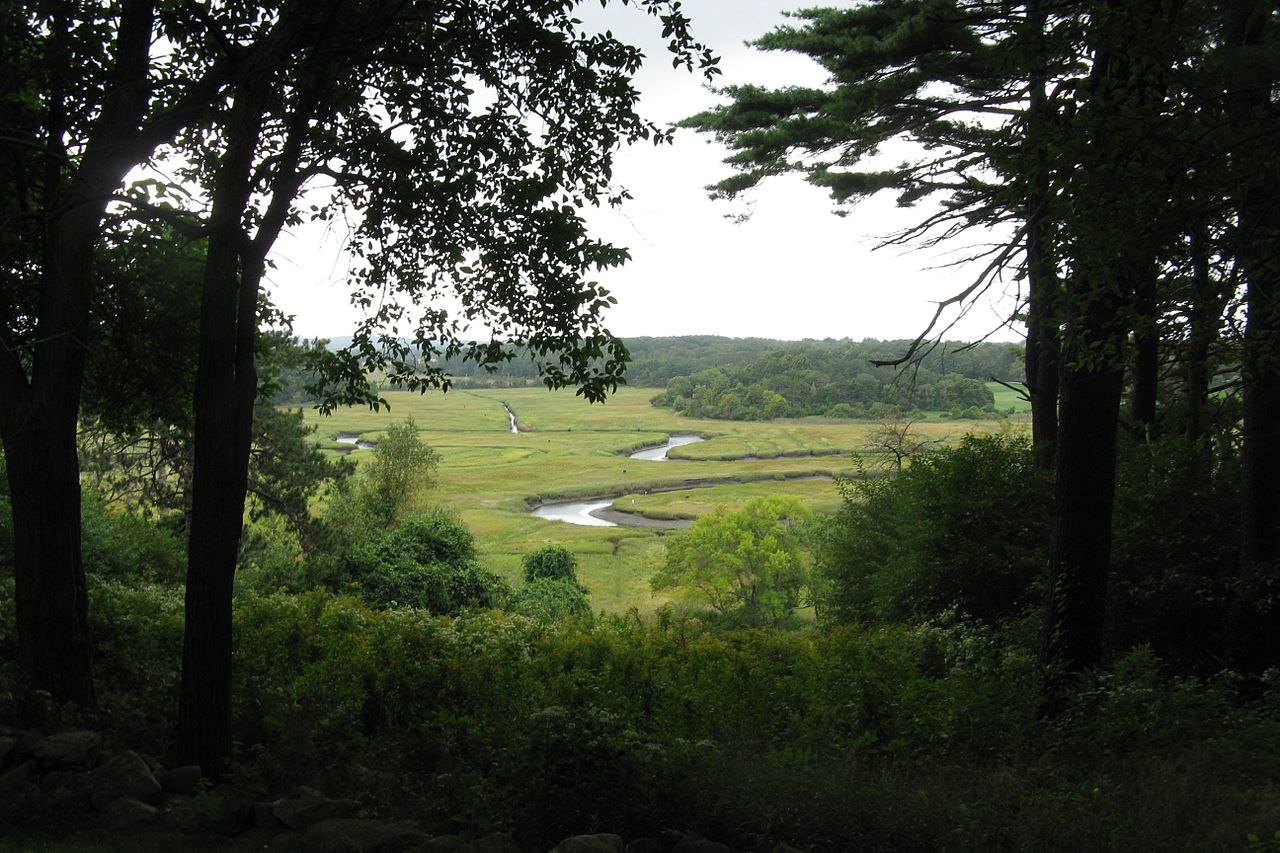





Characteristics and landscape
The town sits on the North Shore and includes tidal estuaries, the Ipswich River corridor and extensive salt marshes that are important for wildlife, flood control and local fisheries. Coastal dunes and recreational beaches attract seasonal visitors while quieter residential neighborhoods surround a compact historic center.
History and architecture
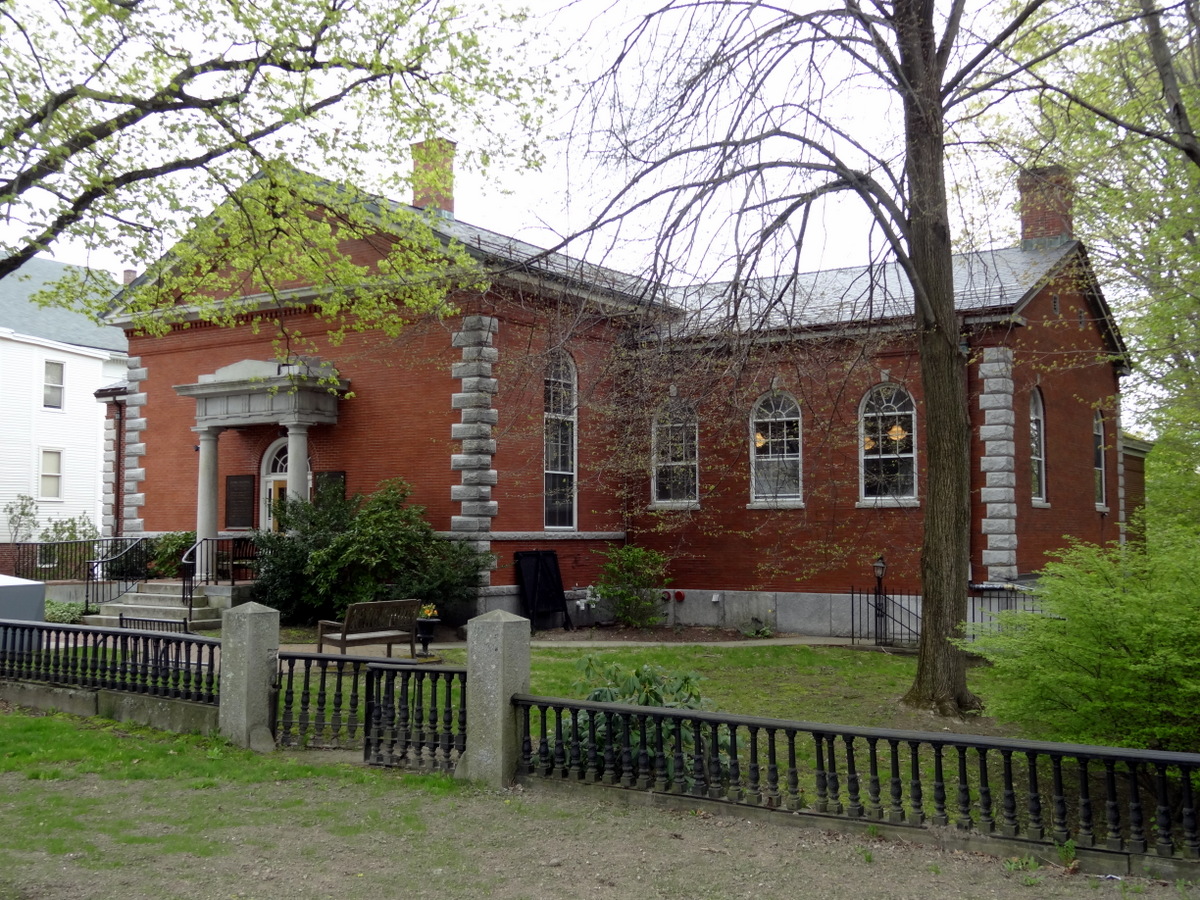
Ipswich dates to the colonial era and is notable for a high concentration of well-preserved First Period and 18th‑century houses. Its development followed the typical New England pattern of farming, fishing, small-scale shipbuilding and trade. Many historic homes and districts reflect the town's 17th- and 18th-century origins.
Economy, culture and uses
Traditionally the local economy relied on maritime resources, salt production and ship-related crafts; today it blends tourism, small business, conservation and commuter residences. Ipswich is widely associated with clamming and seafood, which remain important to local culture and dining. Recreational activities include beachgoing, birdwatching and boating.
Points of interest and distinctions
- Crane Beach and coastal conservation areas popular for walking and swimming.
- Extensive salt marshes supporting fisheries and wildlife.
- A notable collection of early colonial houses and historic districts.
- Local seafood traditions, especially hard-shelled clams commonly called "Ipswich clams."
Conservation efforts, historic preservation and seasonal tourism shape Ipswich today, balancing its natural assets with community life and heritage.
Author
AlegsaOnline.com Ipswich, Massachusetts: Coastal town, history, and natural features Leandro Alegsa
URL: https://en.alegsaonline.com/art/140076