
Hyde County, North Carolina
Hyde County is a sparsely populated coastal county in eastern North Carolina, noted for its wetlands, Lake Mattamuskeet, barrier islands including Ocracoke, maritime heritage, and challenges from storms and sea‑level rise.
Hyde County lies on the eastern coastal plain of North Carolina. It is one of the state’s least densely populated counties, with a small year‑round population concentrated in a handful of communities. The county seat is Swan Quarter, a riverside village that serves as a local center for administration and services.
Image gallery
4 Images
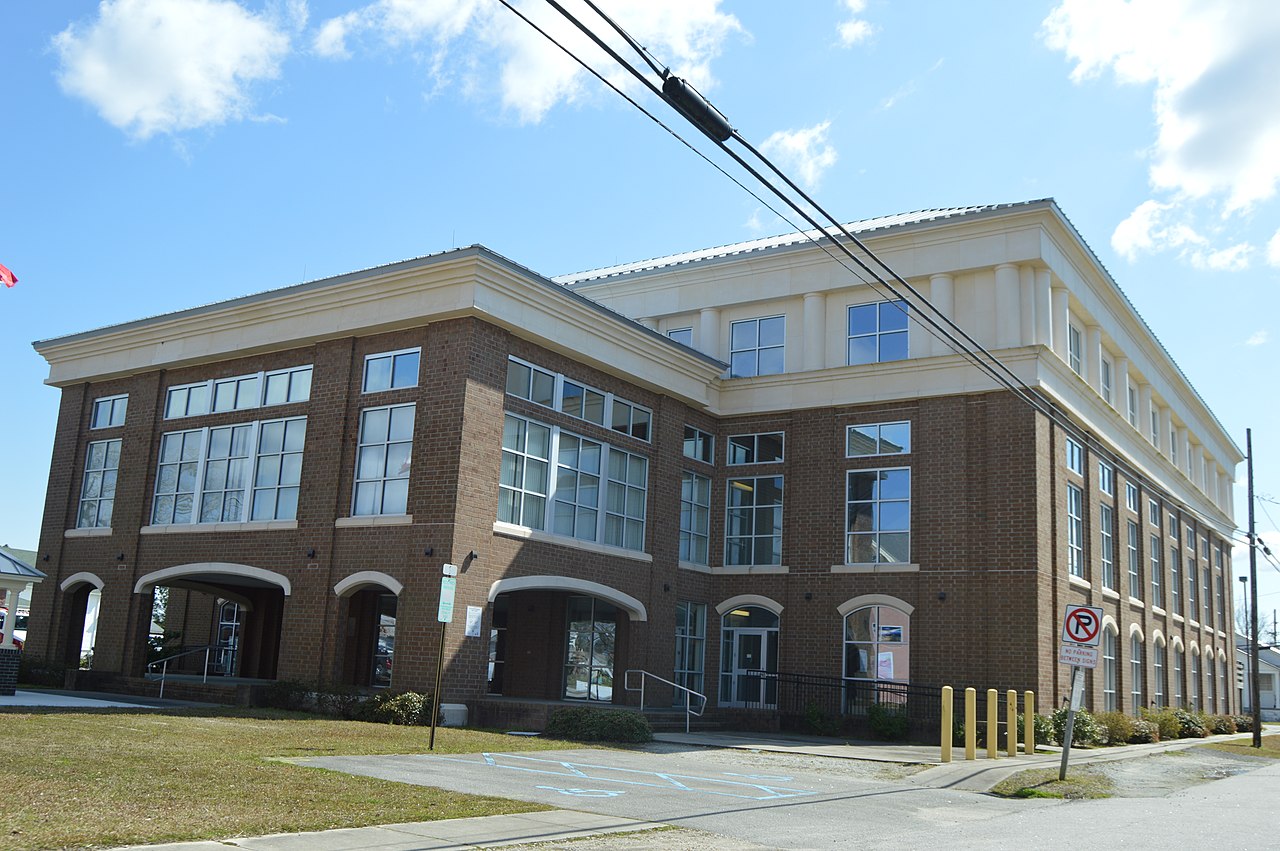


Geography and environment
Hyde County encompasses extensive coastal wetlands, marshes, pocosins and open water of Pamlico Sound. It contains Lake Mattamuskeet, the largest natural lake in the state, and parts of several barrier islands and inlets. Much of the county is low, flat, and strongly influenced by tides, storms and estuarine ecology. These landscapes support waterfowl, marine fisheries and migratory bird populations.
History and origins
The county has colonial roots and was named for a colonial governor, reflecting its long connection to maritime trade, fishing and small‑scale agriculture. Communities developed around estuaries and ferry landings; islands such as Ocracoke became distinct cultural places with strong ties to seafaring, piloting and local crafts. Over time conservation efforts have protected important habitats while changes in transportation and economy altered settlement patterns.
Economy, communities and uses
Local livelihoods traditionally center on commercial and recreational fishing, crabbing and oystering, along with hunting, small farms and increasingly, tourism. Visitors come for island beaches, birdwatching, fishing and to experience historic village life. Access to some islands is by ferry, making waterways and seasonal travel an everyday reality for residents and the visitor economy.
Notable facts and contemporary issues
- Hyde County is notable for its low population and large areas of protected or undeveloped land.
- Conservation sites and wildlife refuges are important for habitat preservation and outdoor recreation.
- The county faces challenges common to coastal zones: hurricane impacts, erosion and rising sea level, which influence planning and infrastructure decisions.
For basic administrative and civic information see the county seat at Swan Quarter, and general state context at the state government. Further regional and visitor resources are available through local conservation and tourism agencies linked from regional portals such as state sites and county pages.
Author
AlegsaOnline.com Hyde County, North Carolina Leandro Alegsa
URL: https://en.alegsaonline.com/art/139967