
Hurricane Hanna (July 2020) — Gulf Coast landfall and impacts
Hurricane Hanna was an Atlantic tropical cyclone that struck south Texas on July 25, 2020. It brought strong winds, storm surge and heavy rain that caused flooding, damage and disruptions in Texas and northern Mexico.
Overview
Hurricane Hanna developed in July 2020 and approached the United States from the Gulf of Mexico. The storm intensified shortly before reaching the coast and made landfall on Saturday, July 25, 2020. It posed a threat to both south-central Texas and nearby areas of northern Mexico, producing the combination of coastal surge, high winds and heavy rainfall typical of tropical cyclones in the region. For background on similar systems, see general information about Atlantic tropical cyclones.
Image gallery
8 Images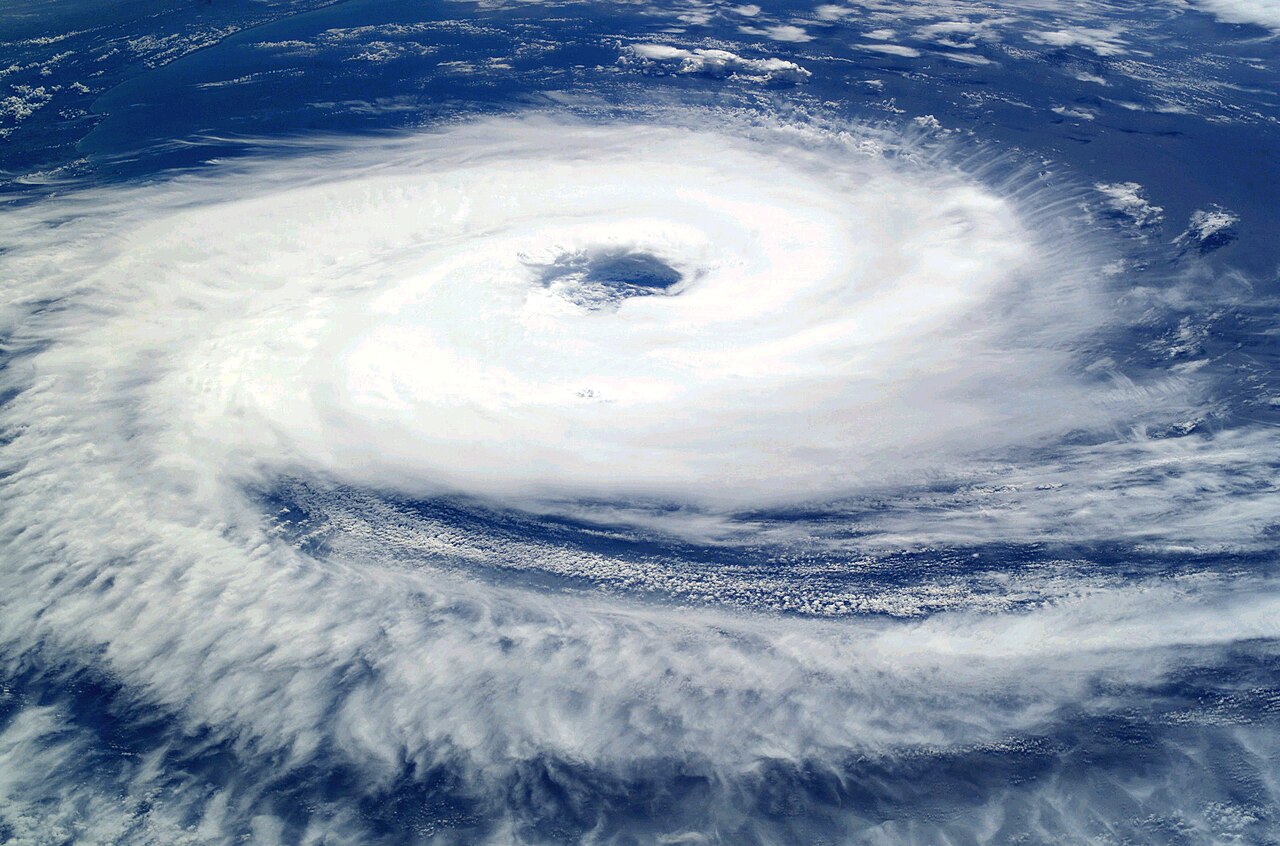


Meteorological characteristics
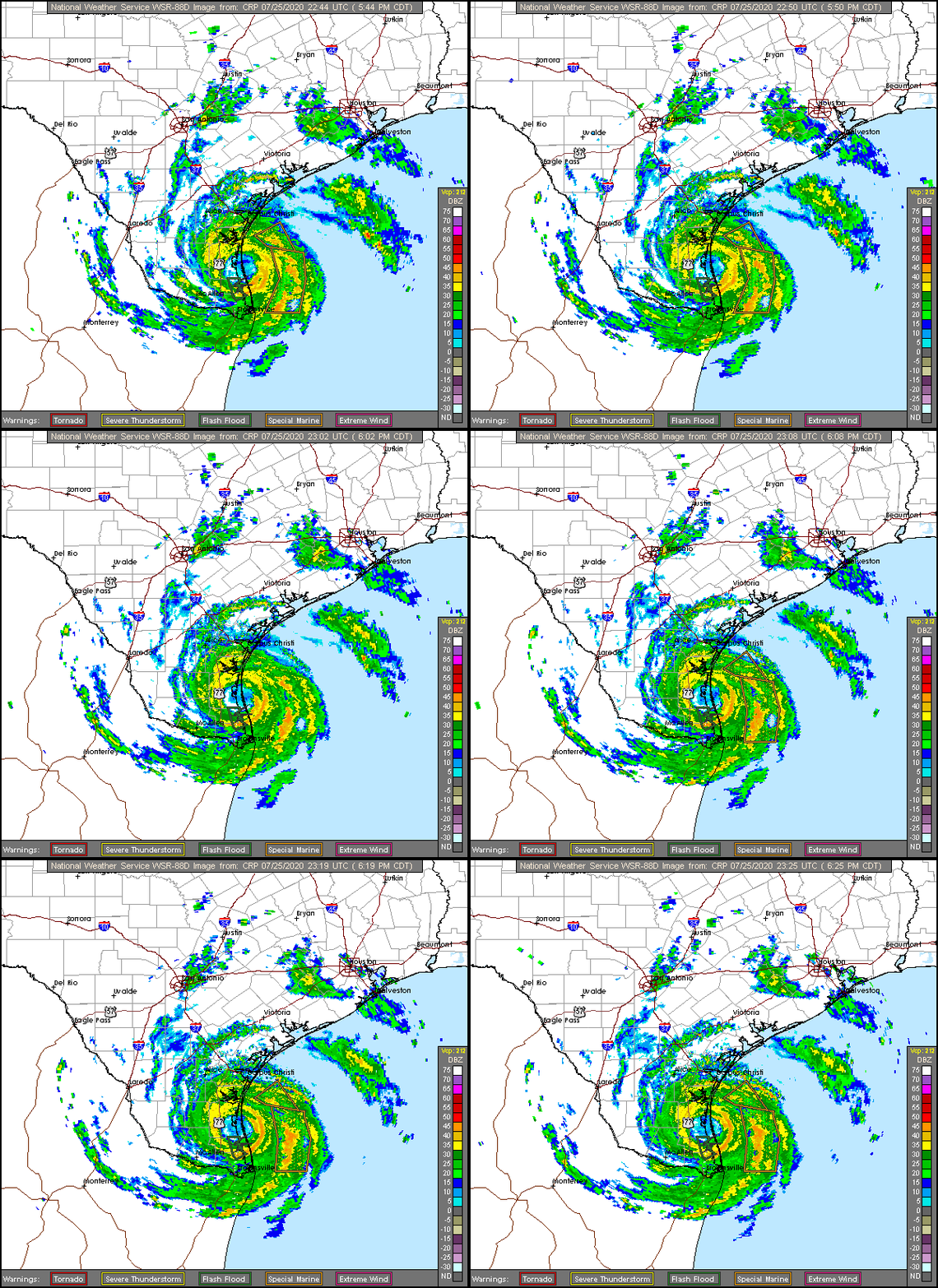
Hanna was a compact but vigorous storm that strengthened over warm Gulf waters. Forecasts during the event described it as a borderline Category 1/Category 2 hurricane at landfall; such classifications reflect measured and estimated sustained wind speeds and central pressure. The storm delivered gusty winds near the coast and intense rain bands that produced localized flash flooding inland.
Impacts
The chief impacts included coastal inundation from storm surge, wind damage to buildings and trees, widespread power outages, and freshwater flooding from heavy rainfall. Infrastructure, residential areas and agricultural zones in the storm’s path experienced varying degrees of damage. Emergency services conducted rescues and local authorities reported search, recovery and restoration operations in the days after landfall.
Preparations and response
- Authorities issued watches and warnings ahead of the storm and activated emergency plans.
- Evacuations, sheltering and road closures were used where flooding and surge were expected.
- Response efforts took place amid the broader public-health considerations of 2020, which influenced sheltering and resource deployment.
Aftermath and significance
Recovery included debris clearance, power restoration and assessment of structural and economic losses. Hanna highlighted the vulnerability of low-lying coastal communities to rapid storm development and heavy rainfall. It was one of the notable early-season storms of the active 2020 Atlantic hurricane season and underscored the need for preparedness for both wind-driven and flood hazards.
Notable facts
Hanna is remembered for its rapid approach and concentrated impacts along the Texas coast and adjacent Mexican states. Its effects extended beyond immediate wind damage to include freshwater flooding and disruptions to daily life, illustrating the multifaceted risks associated with landfalling tropical cyclones.
Author
AlegsaOnline.com Hurricane Hanna (July 2020) — Gulf Coast landfall and impacts Leandro Alegsa
URL: https://en.alegsaonline.com/art/139950