
Hoorn — historic Dutch port and municipality in North Holland
Hoorn is a Dutch port city and municipality in the province of North Holland, known for its maritime history, historic harbour, museums and role in the Dutch Golden Age. Population around 73,000 (2019).
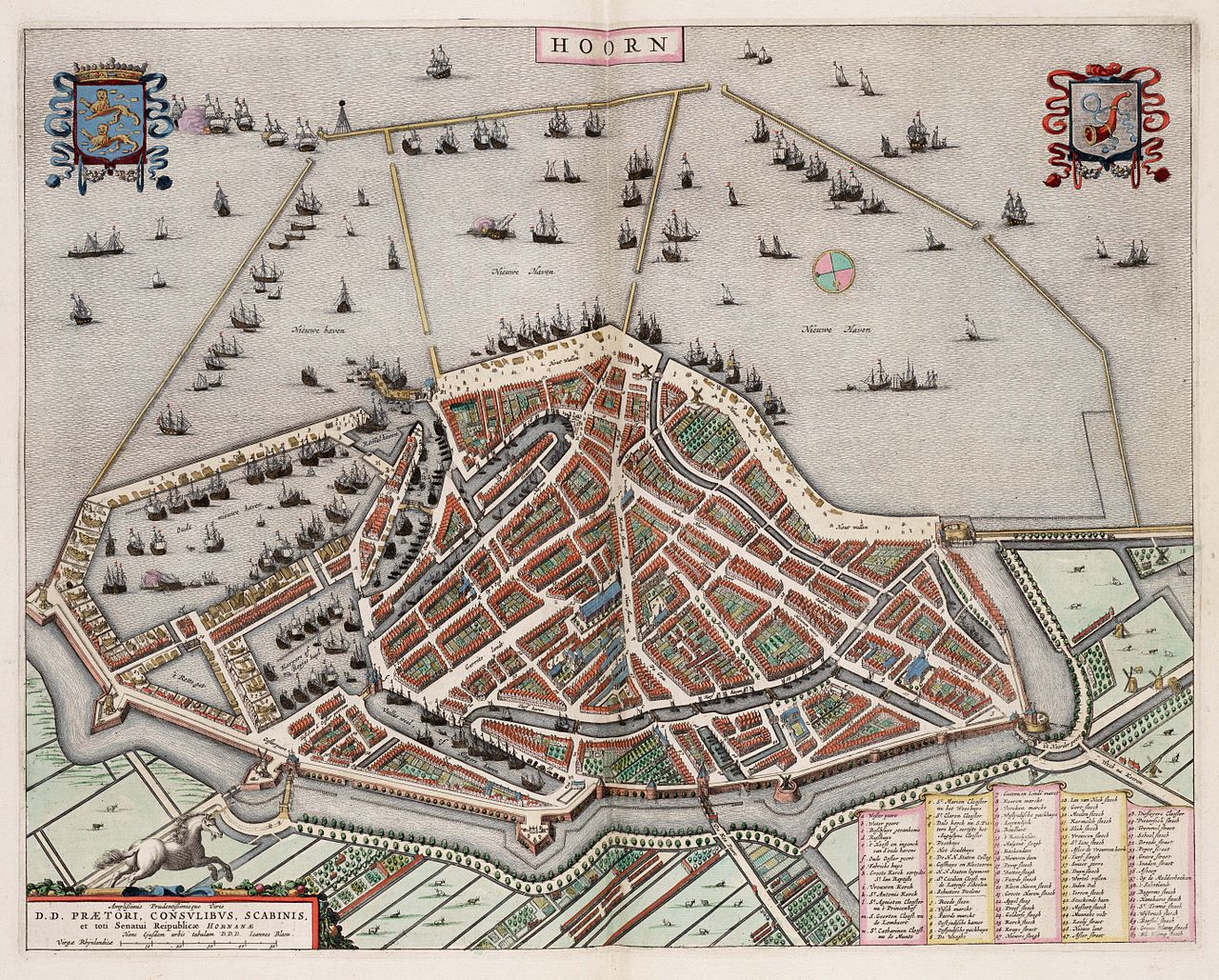
Hoorn is a coastal municipality and city in the Netherlands, located in the province of North Holland. It sits on the Markermeer and grew from a medieval fishing and trading settlement into an important regional port. The municipality had roughly 73,000 inhabitants in 2019; today it combines preserved historic streets and waterfronts with modern housing and services.
Image gallery
10 Images




History and development
Hoorn developed rapidly during the late Middle Ages and achieved particular prominence in the 16th and 17th centuries, when Dutch seafaring and trade expanded. Its harbour and shipyards supported merchants and explorers, and the city's name is commonly linked to the naming of Cape Horn. Over centuries Hoorn alternated between periods of prosperity and quieter regional importance as trade patterns changed.
Characteristics and landmarks
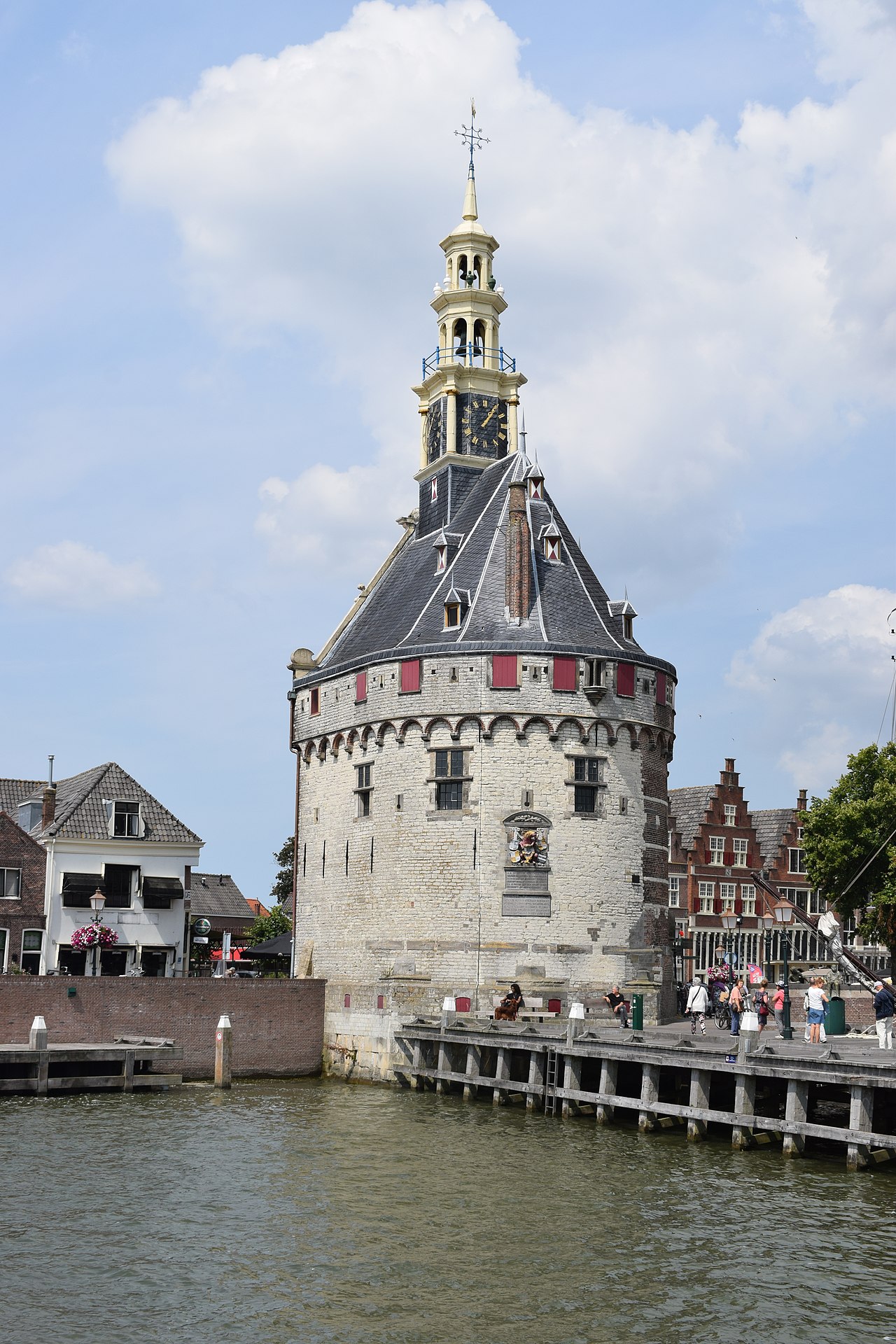
The town centre retains many historic buildings, warehouses and canals that reflect its maritime past. Visitors find a compact layout of narrow streets and a well-preserved waterfront. Important cultural institutions and sites include:
- Westfries Museum — local history and maritime exhibits
- Historic harbour and quay buildings that illustrate commercial shipping activity
- Defensive towers and older civic structures, including notable towers and churches
These features make Hoorn a frequent destination for people interested in the Dutch Golden Age, regional museum collections and coastal promenades.
Today the city’s economy blends tourism, retail, light industry and services. Regular cultural events, markets and maritime festivals highlight Hoorn’s identity as a historic port while supporting the local economy and community life.
Administratively Hoorn is governed as a municipality in North Holland and is connected by road and rail to nearby urban centres. It serves both as a local service hub for the surrounding countryside and as a preserved example of the region’s seafaring heritage.
Author
AlegsaOnline.com Hoorn — historic Dutch port and municipality in North Holland Leandro Alegsa
URL: https://en.alegsaonline.com/art/139831