
Hillsdale County, Michigan
Hillsdale County is a rural county in southern Michigan with its seat at Hillsdale; noted for agriculture, small-town communities, Hillsdale College, and outdoor recreation. Population was 46,688 in 2010.
Overview: Hillsdale County lies in the southern part of the U.S. state of Michigan. According to the 2010 census, the county had 46,688 residents. The county seat and largest community is Hillsdale, a small city that serves as the region’s commercial and cultural center. The county is predominantly rural, with farming, small towns and natural areas shaping daily life.
Image gallery
3 Images
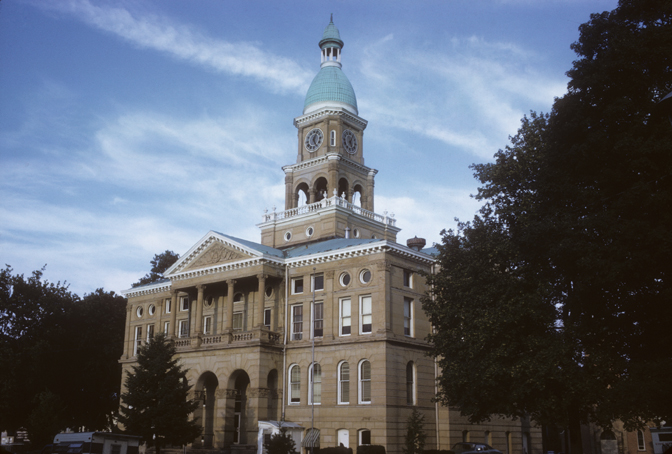

Geography and environment
Hillsdale County occupies a landscape of rolling hills, farmland, and a scattering of small lakes and streams typical of southern Lower Michigan. Its southerly location places it near the Michigan state line, and the area features soils and drainage patterns formed by glacial activity. Much of the county is devoted to agriculture interspersed with woodlands, county parks and local water bodies that support fishing and boating.
History
The area was long inhabited by Indigenous peoples before European-American settlement in the 19th century. Towns grew as settlers cleared land for farms and built mills, schools and roads. The county’s name and many place names reflect the hilly terrain and early agricultural roots. Over time a modest network of businesses and institutions developed around market towns and transportation links.
Economy and institutions
Agriculture remains important, with fields and livestock operations interwoven with small-scale manufacturing, retail trade and service industries. Hillsdale is also home to a private liberal arts institution, which contributes to the local economy and cultural life. Health care, education and government services are among the principal employers in the county seat and surrounding communities.
Government, demographics and transportation
The county is governed by elected officials and a board that oversees local services such as roads, public health and courts. Population density is low compared with urban counties, and communities retain a small-town character. Transportation is provided by state and county roads, with regional highways linking residents to larger population centers for commerce and specialized services.
Recreation and notable features
Visitors and residents use parks, trails and lakes for fishing, hiking and seasonal events. Historic downtown districts, local fairs and cultural offerings connected to the college enrich civic life. The county’s mix of agricultural landscape, higher education presence and outdoor recreation create a distinct rural character valued by its residents.
- Primary economic activities: agriculture, education, small manufacturing
- Recreation: parks, lakes, trails and community festivals
- Characteristic: small towns, low population density, historic downtowns
Author
AlegsaOnline.com Hillsdale County, Michigan Leandro Alegsa
URL: https://en.alegsaonline.com/art/139734