
Henri d'Orléans, Count of Paris (1933–2019)
French royal claimant and head of the House of Orléans; a military officer, writer and painter who represented Orléanist dynastic claims as Henry VII to monarchist supporters.
Overview
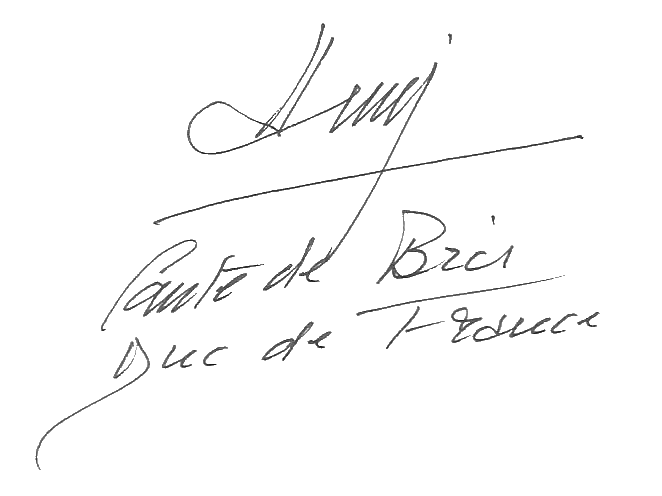
Henri Philippe Pierre Marie d'Orléans (14 June 1933 – 21 January 2019), commonly known as Henri, Count of Paris, Duke of France, was the head of the House of Orléans in the late 20th and early 21st centuries. Within monarchist circles he was a claimant to the abolished French throne and was styled by his supporters as Henry VII. Beyond his dynastic role he was active in public life as a military officer, as well as an author and painter.
Image gallery
2 Images
Family background and dynastic claim
Henri came from the cadet branch of the Bourbon family known as the House of Orléans, descended in the male line from Louis-Philippe d'Orléans, the constitutional "Citizen King" who reigned from 1830 to 1848. The Orléanist line has long been one of several royalist traditions in France. Some monarchists, described as Unionists, recognized Henri as the legitimate heir to the older Legitimist claimant, the Count of Chambord, on grounds of dynastic continuity and male descent. His claim and the style "Henry VII" were matters of dynastic preference and political allegiance rather than legal authority, since the French Republic has no mechanism for restoring a monarchy.
Public life, career and cultural activity
Henri combined military service with cultural pursuits. He served as an officer in the armed forces and later devoted time to writing and painting. Over several decades he published works on history, tradition and the monarchy, and he exhibited or produced paintings reflecting his interest in the arts. He also engaged in charitable and cultural associations connected to heritage preservation and historical memory of the former royal families.
Political significance and distinctions
The importance of Henri's position lay mainly within the symbolic and political world of French monarchism. Different groups of royalists — Orléanists, Legitimists, Bonapartists and others — have long debated succession and legitimacy. Henri's claim illustrates how dynastic identity and historical memory continue to shape political symbolism even in republican France. He attempted at times to build bridges among rival royalist factions and to present a modern image of a dynastic claimant in the contemporary public sphere.
Notable facts and legacy
- Dynastic head: Recognized by adherents as head of the House of Orléans and a claimant to the former throne.
- Style: Known among supporters as Henry VII, a regnal name used informally within monarchist circles.
- Service and art: Combined a background in military service with creative work as an author and painter.
- Public role: Active in cultural and charitable initiatives relating to heritage and history.
For readers wishing to explore the history of the family and the wider context of French royalist traditions, see resources on the House of Orléans and on rival claimants and pretenders to the former French crown at further reference. Henri's life exemplifies how dynastic identities persist as part of cultural history even when monarchy no longer functions as the state form.
Author
AlegsaOnline.com Henri d'Orléans, Count of Paris (1933–2019) Leandro Alegsa
URL: https://en.alegsaonline.com/art/139627