
Hamish MacCunn — Scottish late‑Romantic composer and conductor
Scottish composer and conductor (1868–1916) known for orchestral music that celebrates Scottish landscapes and national identity; best known for the overture 'The Land o' the Mountain and the Flood.'
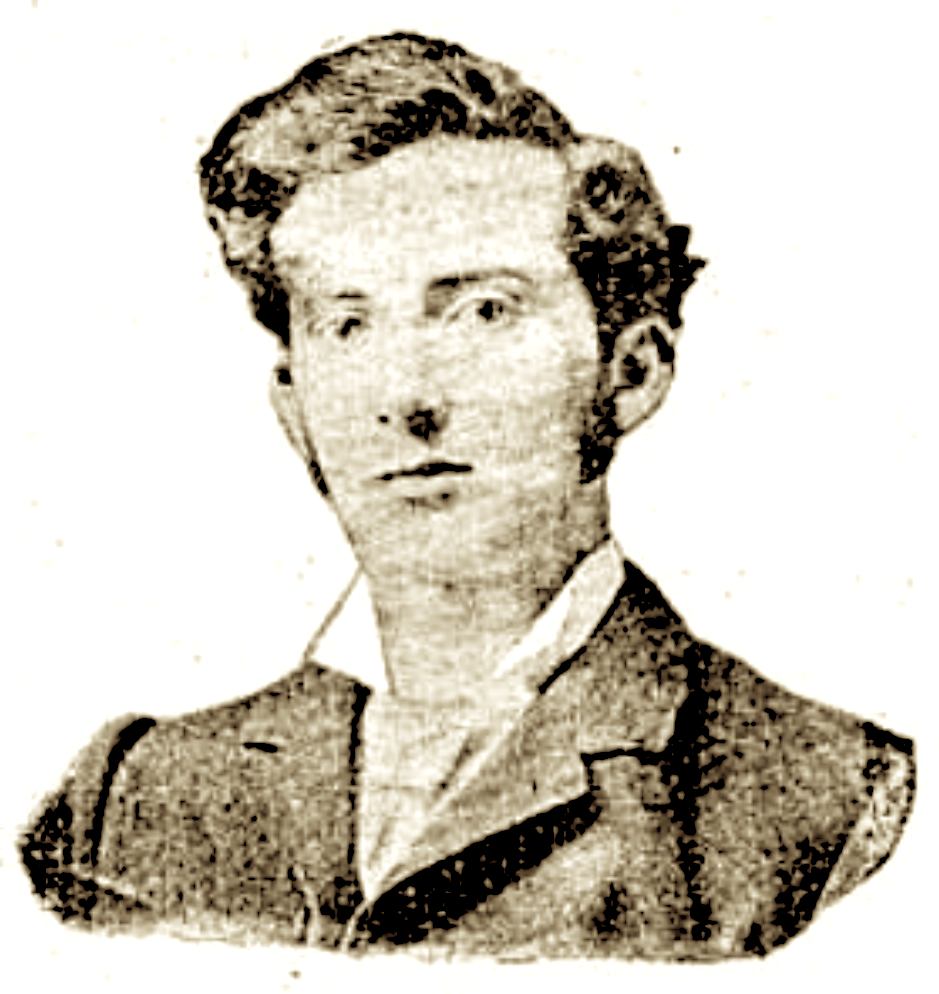
Hamish MacCunn (22 March 1868 – 2 August 1916) was a Scottish composer and conductor associated with the late Romantic era. He is remembered chiefly for music that evokes Scotland's landscapes and traditions, and for an overture that has remained the most enduring single item in his output. For an overview of his life and work see biography.
MacCunn's style combined lyrical melodies, vivid orchestral color and a tendency to incorporate or imitate Scottish folk elements without strict folk‑song quotation. He wrote orchestral overtures and suites, choral pieces, incidental music for the theatre, songs and a number of stage works. His best‑known piece is the stirring orchestral overture The Land o' the Mountain and the Flood, which continues to be programmed and recorded; recordings and modern editions are available through various catalogues and collections (recordings).
Image gallery
3 Images

Development and career
MacCunn came to notice while still young, winning early recognition for his orchestral writing. He pursued musical training in the United Kingdom and spent much of his professional life composing, conducting and producing music for performance. Throughout his career he balanced concert composition with practical roles in the theatre and opera, supplying incidental music and leading ensembles. Surviving manuscripts and score collections are held in several repositories; consult institutional holdings for primary sources (archives).
Although he did not become a household name internationally, MacCunn played a notable part in a wave of British composers who emphasized national character in music during the late 19th and early 20th centuries. His works were intended for concert performance and for the theatre, and they were often praised for their craftsmanship and atmospheric quality. Interest in his music has been revived periodically by recordings and performances focused on British and Scottish repertoire.
Representative works and legacy
- The Land o' the Mountain and the Flood — overture, his most frequently heard piece
- Orchestral suites and overtures evoking Scottish scenes and moods
- Choral pieces, songs and incidental music written for theatre productions
- Stage works and operatic projects, some performed in their day
For scores, modern editions and further reading, refer to specialist music libraries and online catalogues; curated listings and modern critical material can be found at selected resources (scores, further reading). MacCunn's contribution is often discussed in studies of British musical nationalism and the late‑Romantic orchestral tradition: his music offers examples of how regional identity and concert music intersected around 1900.
Questions and answers
Q: When was Hamish MacCunn born?
A: Hamish MacCunn was born on March 22, 1868.
Q: When did Hamish MacCunn pass away?
A: Hamish MacCunn passed away on August 2, 1916.
Q: What was Hamish MacCunn's profession?
A: Hamish MacCunn was a Scottish composer and conductor.
Q: During which period did Hamish MacCunn live?
A: Hamish MacCunn lived in the later part of the Romantic period.
Q: What nationality was Hamish MacCunn?
A: Hamish MacCunn was a Scottish composer and conductor.
Q: Was Hamish MacCunn famous for his work during his lifetime?
A: Yes, Hamish MacCunn was well-known for his work as a composer and conductor during his lifetime.
Q: How would you describe Hamish MacCunn's career?
A: Hamish MacCunn had a successful career as a Scottish composer and conductor, known for his work during the Romantic period.
Author
AlegsaOnline.com Hamish MacCunn — Scottish late‑Romantic composer and conductor Leandro Alegsa
URL: https://en.alegsaonline.com/art/139371