
Hal Rogers
Harold D. "Hal" Rogers, born 1937, is a long-serving Republican U.S. Representative for Kentucky's 5th District (since 1981), known for his role on appropriations and as Dean of the House since 2022.
Harold Dallas "Hal" Rogers (born December 31, 1937) is an American politician who has represented Kentucky's 5th congressional district in the U.S. House of Representatives since 1981. A member of the Republican Party, Rogers is one of the longest-serving members of Congress from Kentucky and, after the death of Don Young, became the 46th Dean of the United States House of Representatives in 2022. As dean he is the most senior member of the state's delegation and one of the most senior in the chamber.
Image gallery
5 Images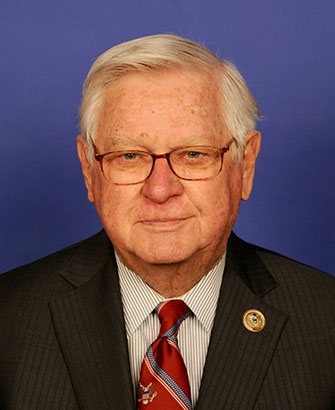


Early politics and rise to Congress
Rogers entered statewide politics in the late 1970s. He was the Republican nominee for Lieutenant Governor of Kentucky in 1979 on a ticket headed by former governor Louie B. Nunn. That campaign was unsuccessful; the Democratic ticket prevailed in the general election. The next year Rogers ran for the U.S. House and won the seat representing a largely rural, Appalachian district in eastern and southeastern Kentucky. He has been re-elected repeatedly, reflecting strong local name recognition and long-standing ties to the region.
Congressional career and committee work
During his decades in the House, Rogers has served primarily on the Appropriations Committee, where he has had influence over federal spending decisions that affect his district. His career is marked by a focus on economic development, infrastructure, health services, and programs aimed at the challenges faced by Appalachia, including job loss, poverty, and the decline of coal mining. Those priorities shaped his approach to constituent service and federal grant-making.
Roles, priorities, and examples
- Key roles: senior member of the House, long-serving appropriator, and dean of his state's delegation.
- Policy priorities: rural economic development, transportation and infrastructure projects, job training, and community health.
- District focus: directing federal resources to hospitals, roads, schools, and local development initiatives in eastern Kentucky and parts of central Kentucky.
Rogers has been particularly associated with efforts to secure federal assistance and discretionary funding for programs that benefit rural counties. Supporters credit him with bringing resources to an economically distressed region; critics have at times described his methods as emblematic of earmarking and pork-barrel spending. Rogers has defended these efforts as necessary to address persistent regional needs that market forces and state budgets do not fully meet.
Reputation, criticism, and legacy
Over a long tenure, Rogers has built a reputation for constituent service and for mastering the appropriations process. He is widely viewed as an effective advocate for his district's immediate needs. At the same time, his concentrated focus on channeling federal dollars to local projects has drawn both political praise and scrutiny. As Dean of the House and a veteran legislator, his career illustrates how seniority and committee assignments can translate into influence for lawmakers representing economically vulnerable areas.
Rogers's legacy will largely be assessed in light of sustained federal investment in Appalachian Kentucky and the degree to which those investments produced lasting economic improvement. Observers note that his tenure reflects the broader story of congressional seniority in shaping federal policy and spending, especially for rural and historically underserved communities.
For more on Rogers's district and legislative record, see resources and committee histories linked through official congressional pages and archival profiles maintained by governmental and reputable civic organizations.
Author
AlegsaOnline.com Hal Rogers Leandro Alegsa
URL: https://en.alegsaonline.com/art/139338