
Haarlemmermeer — municipality and reclaimed polder in North Holland
Haarlemmermeer is a Dutch municipality in North Holland, created from a reclaimed lake in the 19th century. It includes Schiphol Airport and towns such as Hoofddorp, and absorbed Haarlemmerliede en Spaarnwoude in 2019.
Overview
Haarlemmermeer is a municipality in the Dutch province of North Holland. Situated southwest of Amsterdam, it combines dense residential areas, industrial zones and extensive low-lying farmland. The municipality had about 154,235 inhabitants in 2019 and serves both as a commuter region for Amsterdam and as a centre for logistics and aviation.
Image gallery
10 Images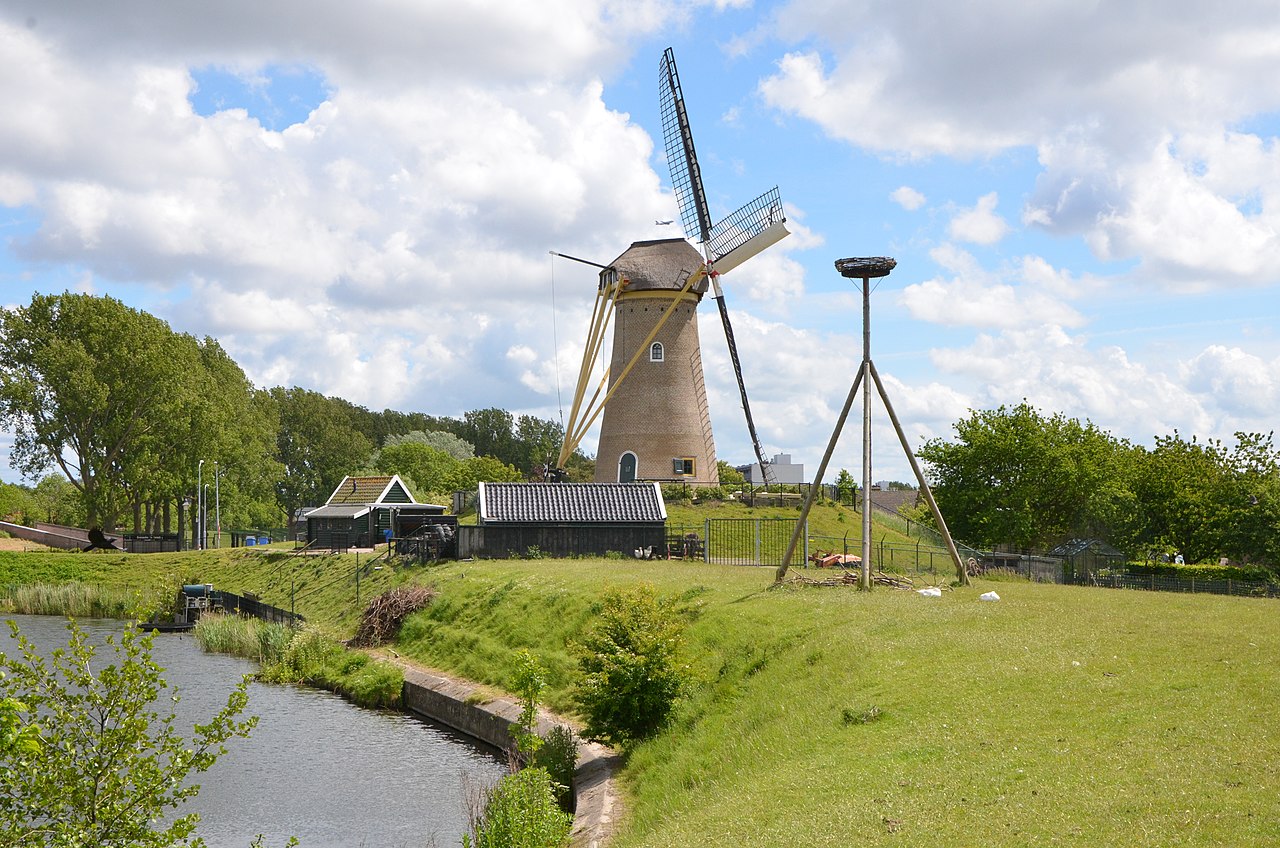


Origins and landscape
The land known as Haarlemmermeer was originally a lake that expanded over centuries through peat extraction and storms. In the mid-19th century the lake was reclaimed using large steam-driven pumping stations; one of these, the Cruquius, survives as an industrial museum and reminder of the engineering project that created the present polder. The terrain is characteristically flat, crisscrossed by drainage canals and ditches, and lies below sea level in places.
Principal towns and administration
The municipal seat is Hoofddorp, and other significant settlements include Nieuw-Vennep and Badhoevedorp. The municipality administers a mix of urban and rural neighbourhoods and maintains close transport links to Amsterdam and other regional centres. For official purposes Haarlemmermeer is recognised as a municipality within the Dutch system of provinces and municipalities, located in North Holland.
Economy, transport and landmarks
Haarlemmermeer is notable for containing Amsterdam Airport Schiphol, one of Europe’s busiest airports, which shapes much of the local economy through aviation, freight and related services. The polder also supports agriculture and horticulture on its well-drained soils. Road and rail links connect towns in the municipality to neighbouring cities, and heritage sites such as the Cruquius pumping station attract visitors.
Recent development and notable facts
In 2019 the small neighbouring municipality of Haarlemmerliede en Spaarnwoude was incorporated into Haarlemmermeer, expanding its territory and population. The area remains a clear example of Dutch land reclamation and water management, combining modern infrastructure with visible traces of its 19th‑century engineering history.
- Key functions: aviation hub, logistics, residential suburbs, agriculture
- Landscape: reclaimed polder with drainage networks
- Historic site: Cruquius steam pumping station museum
Author
AlegsaOnline.com Haarlemmermeer — municipality and reclaimed polder in North Holland Leandro Alegsa
URL: https://en.alegsaonline.com/art/139297