
Graça Machel: Mozambican stateswoman, humanitarian and advocate for children and women
Graça Machel (born 1945) is a Mozambican politician and humanitarian known for education reform, children's rights advocacy, leadership roles in Africa and for being the widow of Samora Machel and Nelson Mandela.
Graça Machel (née Simbine; born 17 October 1945) is a Mozambican politician, humanitarian and international advocate. She first became prominent in Mozambique's post‑independence government and later achieved global recognition for her work on education, the protection of children in armed conflict and for women's empowerment. She is also widely known as the widow of two African presidents: Samora Machel of Mozambique and Nelson Mandela of South Africa.
Image gallery
4 Images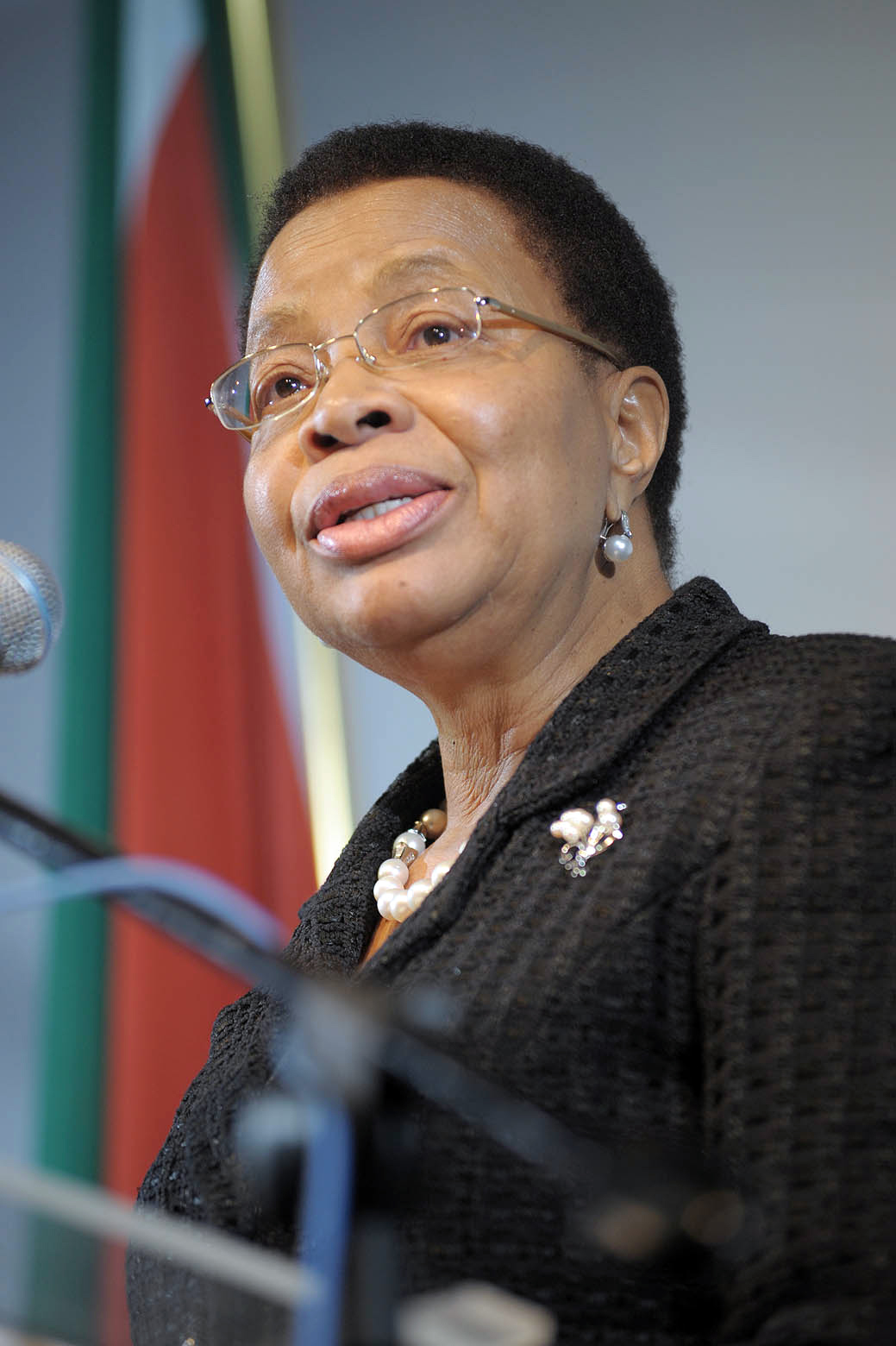


Public service and advocacy
Following Mozambique's independence, Graça Machel held senior responsibilities in the new government, with a primary focus on education and cultural policy. She has long emphasized the centrality of schooling and literacy in national development and helped design programmes aimed at expanding access to basic education. Internationally, she led a major United Nations study on the impact of armed conflict on children in the 1990s, producing a widely cited report that became known by her name and helped shape child protection policy worldwide.
Leadership, organisations and roles
Machel has served in a variety of university, philanthropic and advisory positions. For two decades she was chancellor of the University of Cape Town, where she played a visible role in academic and civic life. She is a member of the Africa Progress Panel and has participated in many global forums addressing development, governance and human rights. She also established and supported charitable initiatives focused on children, education and women's socio‑economic empowerment.
Areas of emphasis
- Education policy and access to schooling for marginalized groups.
- Protection of children affected by armed conflict and advocacy for child rights.
- Promotion of women's leadership and economic opportunity across Africa.
- Advisory work on sustainable development and good governance.
Machel's influence is both practical and symbolic: through policy work, public speaking and institution building she has shaped debates on how societies recover from conflict and invest in future generations. Her career blends national public office, international diplomacy and civil society engagement.
Recognition and legacy
Her contributions have been acknowledged by numerous honours and honorary degrees; she holds titles such as DBE and HonFBA and has been invited to serve on commissions and boards worldwide. Observers note the rarity of her personal story—being closely associated with two historic African leaders—while her lasting legacy rests on decades of advocacy for children, education and women's rights across the continent.
Author
AlegsaOnline.com Graça Machel: Mozambican stateswoman, humanitarian and advocate for children and women Leandro Alegsa
URL: https://en.alegsaonline.com/art/139029