
Samora Machel: Mozambican revolutionary and first president
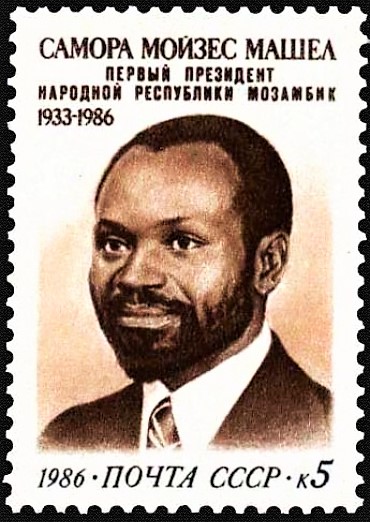
Samora Machel (1933–1986) led the Mozambican independence movement, became the country's first president in 1975, and guided early post‑colonial policies until his death in a 1986 plane crash.
Overview
Samora Moisés Machel (29 September 1933 – 19 October 1986) was a central figure in the struggle for Mozambican independence and the first president of independent Mozambique. A guerrilla commander and political leader, he headed the Front for the Liberation of Mozambique (FRELIMO) as it fought Portuguese colonial rule and later led the new state through its formative decade.
Image gallery
6 Images



Early life and rise to leadership
Machel came from a rural background and entered political life in the context of growing anti‑colonial movements across southern Africa. He rose through the ranks of FRELIMO during the armed struggle that began in the 1960s, succeeding earlier leaders and consolidating both military and political authority. His leadership combined revolutionary rhetoric with practical organization of the party and armed forces during wartime conditions.
Presidency and domestic policies
When Mozambique achieved independence in 1975, Machel became its first president. His government adopted policies intended to transform a colony into an independent, centralized state. Measures included nationalization of key sectors, land reform initiatives, and efforts to expand education and health care. FRELIMO declared a one‑party state model and pursued socialist‑oriented development policies, arguing that rapid structural change was necessary after colonial exploitation.
Conflict, regional relations, and international alignment
Machel governed during a turbulent regional period. Mozambique faced a violent insurgency led by the anti‑communist RENAMO movement, which was supported at different times by neighboring regimes hostile to FRELIMO's orientation. The government also navigated Cold War dynamics, receiving political and material assistance from socialist states while seeking alliances with other newly independent African countries. Relations with apartheid South Africa were adversarial; cross‑border incursions and sabotage were part of the regional security challenges.
Death and legacy
Machel died in office on 19 October 1986 when his presidential aircraft crashed near the border area between Mozambique and South Africa. His death was a major shock domestically and internationally and remains a notable event in the history of southern Africa. His legacy is mixed: he is remembered for his role in achieving independence and attempting broad social reforms, while critics point to the hardships of war, economic difficulties, and political repression associated with one‑party rule.
Notable aspects
- Leader of FRELIMO and commander during the anti‑colonial struggle.
- First president of independent Mozambique (1975–1986).
- Advocated socialist‑inspired programs of nationalization and social services.
- Presidency marked by civil conflict, regional tensions, and Cold War alignments.
Samora Machel remains a prominent historical figure in Mozambique and across Africa: a symbol of anti‑colonial liberation, an architect of early post‑colonial state building, and a controversial leader whose policies and the violent era in which he governed continue to shape assessments of his record.
Author
AlegsaOnline.com Samora Machel: Mozambican revolutionary and first president Leandro Alegsa
URL: https://en.alegsaonline.com/art/130392