
Breitenbach-Haut-Rhin — commune in Haut-Rhin, Alsace (France)
Breitenbach-Haut-Rhin is a small commune in the Haut-Rhin department of Grand Est, northeastern France, set in the Vosges foothills; noted for traditional Alsatian character, forested landscapes and rural tourism.
Overview
Breitenbach-Haut-Rhin is a small rural commune located in the historic region of Alsace, within the Haut-Rhin department. It lies in eastern France, part of the modern Grand Est administrative region. The village is typical of small Vosges foothills settlements: compact, surrounded by forests and pasture, with a local road network connecting it to nearby market towns.
Image gallery
2 Images
Geography and environment
Breitenbach sits at the edge of the Vosges mountains, offering a mix of woodland, small streams and upland meadows. The landscape supports mixed farming, forestry and routes for walkers. Proximity to protected landscapes such as the Ballons des Vosges and the valleys of Alsace makes the commune a base for nature activities and seasonal recreation.
History and name
The place name Breitenbach is Germanic in origin, literally meaning "broad stream," reflecting the region’s linguistic and cultural ties to both French and German traditions. Like much of Alsace, the area has experienced alternating French and German rule over centuries, which shaped its architecture, language and local customs.
Economy, culture and uses
The local economy is primarily rural: small-scale agriculture, woodland management and services for residents and visitors. Surrounding valleys are known for regional products such as Munster cheese and traditional Alsatian cuisine, which feature in village markets and festivals. Visitors are drawn by hiking, pastoral scenery and timber-framed houses.
Administration and access
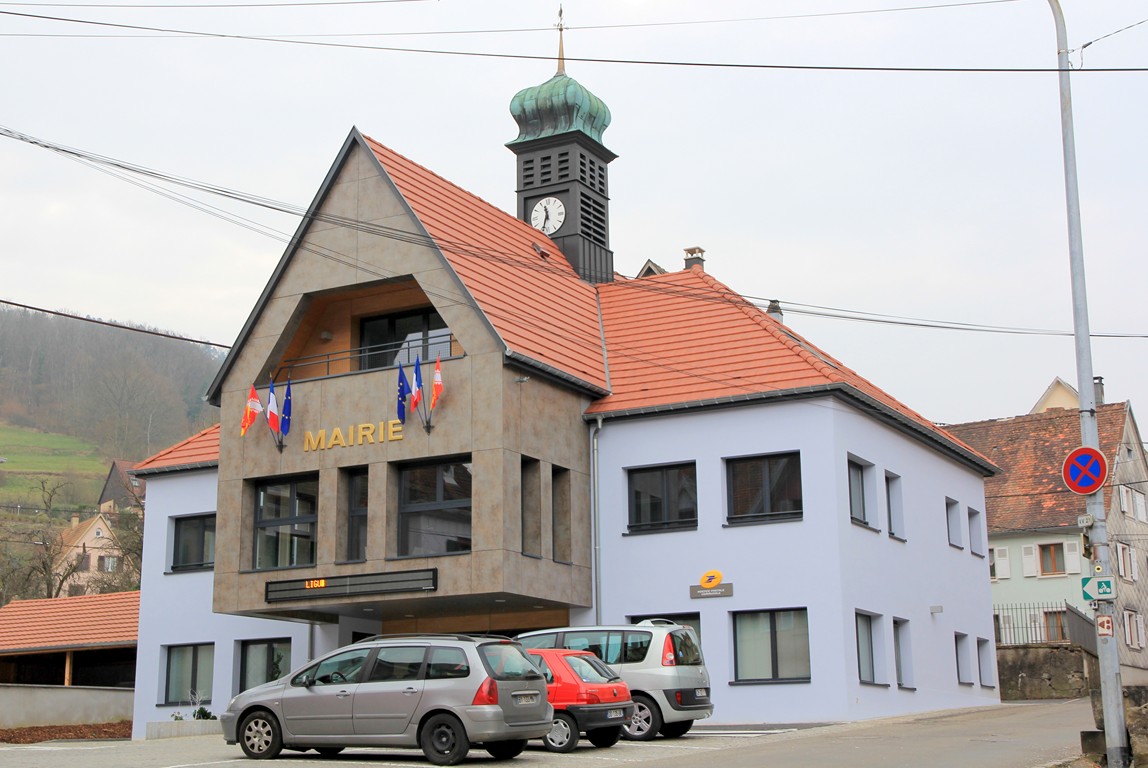
As a French department-level commune, Breitenbach-Haut-Rhin is governed by a municipal council headed by a mayor. It is accessible by departmental roads from larger urban centres in Haut-Rhin and offers connections to regional transport; local signage and tourist information guide visitors to trails and viewpoints.
Notable facts and visitor information
- Typical Alsatian village character with traditional architecture and village church.
- Good starting point for walking and nature observation in the Vosges foothills.
- Close cultural and gastronomic links to neighbouring valleys and towns; seasonal events reflect Alsace’s mixed heritage.
For practical planning and local details consult regional guides or municipal sources when available. More on the region and administrative resources can provide up-to-date information about services and events.
Related articles
Author
AlegsaOnline.com Breitenbach-Haut-Rhin — commune in Haut-Rhin, Alsace (France) Leandro Alegsa
URL: https://en.alegsaonline.com/art/13899