
Golf, Illinois — small residential village in Cook County
Golf is a small, primarily residential village in Cook County, Illinois, incorporated in 1928. It has a Metra commuter rail stop and a compact community character within the Chicago metropolitan area.
Overview
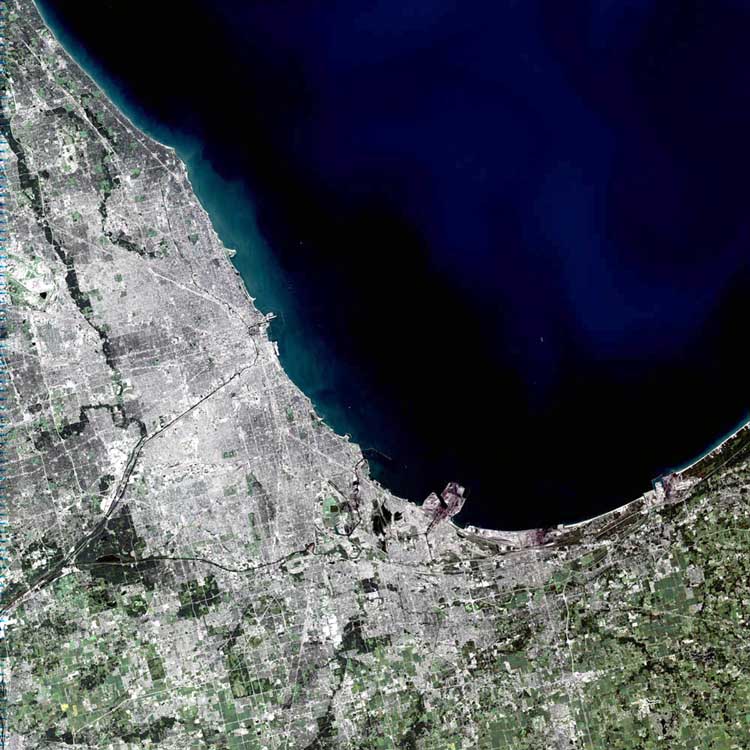
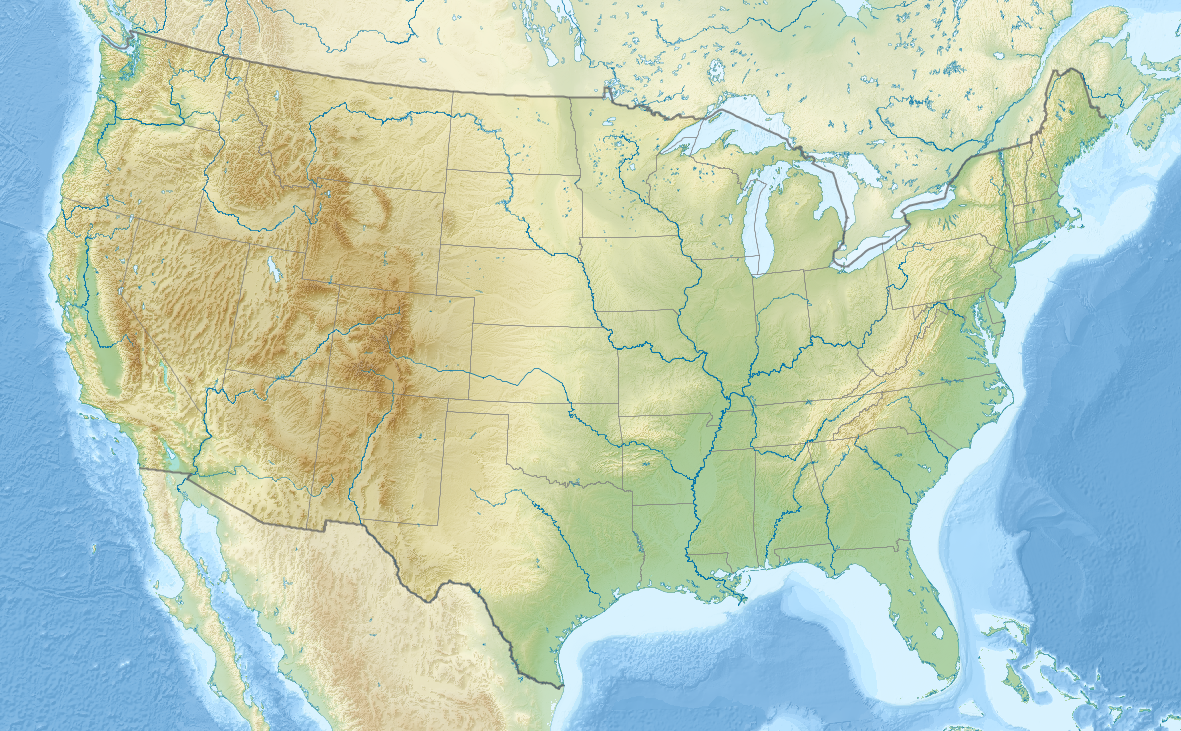
Golf is a small incorporated village located in Cook County, in the state of Illinois, within the United States. Established as a municipal entity in 1928, the village is best known for its quiet, residential streets and limited commercial development. According to the 2010 census the population was 500, reflecting its character as one of the region's smaller suburban communities.
Image gallery
3 Images
History and name
The village grew during the early 20th century as the Chicago area expanded outward. Its incorporation in 1928 formalized a small settlement that served nearby recreational and residential needs. The village name is commonly associated with a historic local golf course that influenced early development and community identity, and the compact layout retains that residential, park‑oriented feel.
Characteristics and layout
Golf is predominantly residential with a mix of single‑family homes and mature tree‑lined streets. Municipal services and community planning emphasize preservation of neighborhood scale rather than commercial growth. Public spaces, local parks and an emphasis on property upkeep contribute to a suburban atmosphere distinct from larger neighboring municipalities.
Transportation
Despite its small size, Golf has commuter rail access that connects residents with the wider metropolitan area. A local station on the regional commuter rail system provides regular service for commuters and visitors, making travel to downtown and other suburbs practical. The village's transit connection is an important feature for residents who work elsewhere in the region and rely on Metra style commuter rail service.
Notable facts and context
- Incorporated in 1928; population near 500 as of 2010 census.
- Primarily residential with limited commercial zoning.
- Commuter rail access links the village to the greater Chicago area.
Golf serves as an example of a small, stable suburban village within the Chicago metropolitan region: compact in size, historically tied to local leisure development, and valued for its quiet residential character and transit connections to larger employment centers.
Author
AlegsaOnline.com Golf, Illinois — small residential village in Cook County Leandro Alegsa
URL: https://en.alegsaonline.com/art/138985