
Gilmer County, West Virginia
A rural county in central West Virginia centered on Glenville; known for Glenville State University, the West Virginia State Folk Festival, and a largely agricultural and small-town character.
Overview: Gilmer County is a small, rural county in central West Virginia. At the 2010 population count 8,693 residents were recorded. The county seat and largest town is Glenville, which serves as the cultural and administrative center.
Image gallery
2 Images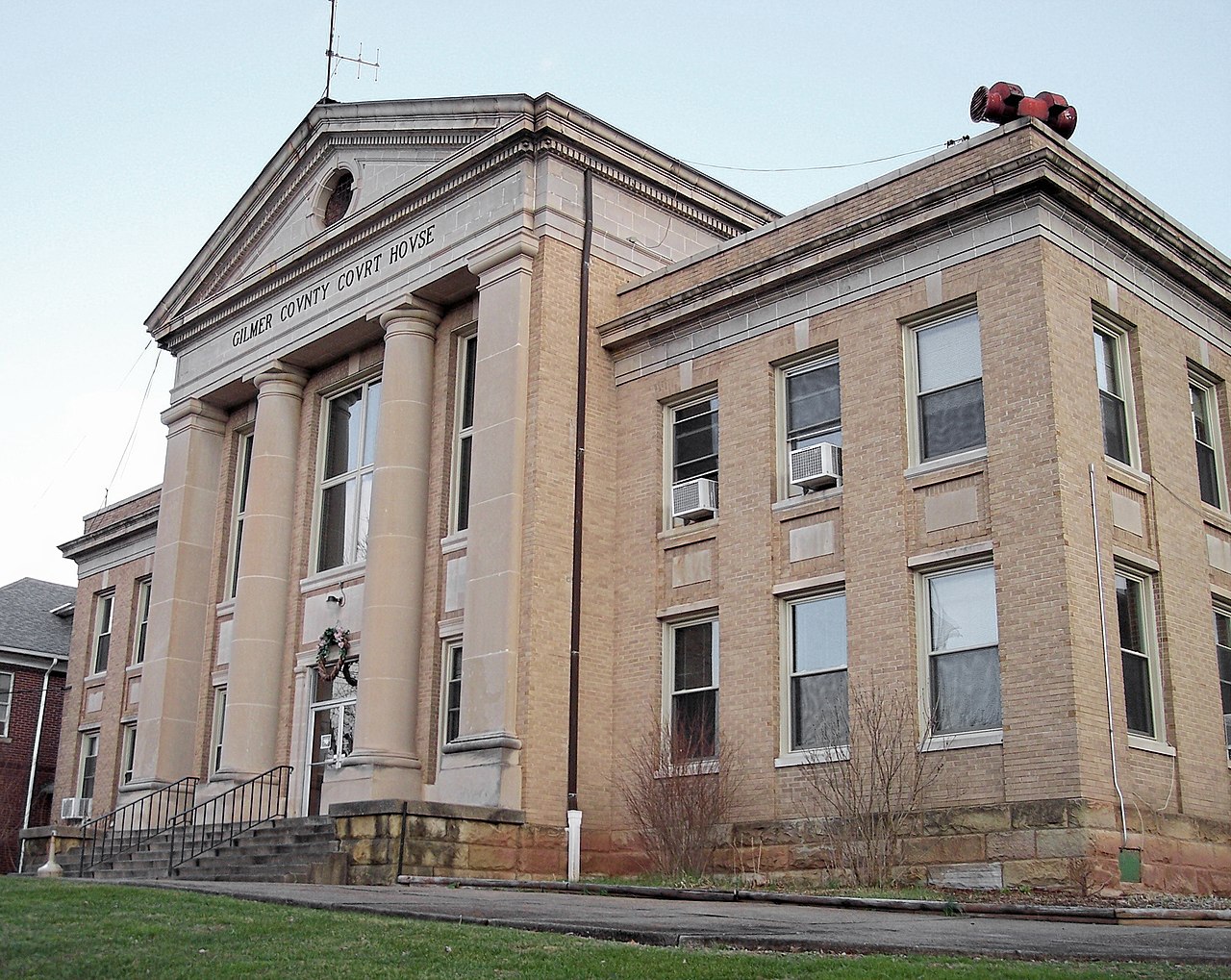

Geography and character
Gilmer County lies within the Appalachian Plateau region and is characterized by rolling hills, forested ridges and narrow stream valleys. Land use is a mix of pasture, woodland and small farms. Low population density and limited urban development give the county a predominantly rural character, with communities clustered around Glenville and several small towns.
History and name
The county was established in the mid-19th century and takes its name from Thomas W. Gilmer, a 19th-century American statesman. Its historical economy has included agriculture, timber and small-scale natural resource work; like many counties in the region, it experienced population and economic shifts through the 20th century as transportation and industry patterns changed.
Economy, education and culture
Local economic activities center on farming, forestry, education and small businesses. Glenville hosts Glenville State University, an important local employer and cultural hub that influences arts, athletics and community life. The county also hosts annual cultural events that draw visitors and celebrate Appalachian heritage.
Attractions and notable facts
- Glenville State University and its community programs.
- The West Virginia State Folk Festival and other local cultural events.
- Outdoor recreation such as hunting, fishing and river access typical of central West Virginia.
For administrative, demographic and travel information consult official county pages and state resources, which provide current data and services for residents and visitors. Additional reference materials can be found through regional archives and educational institutions that document the county's evolving role in central West Virginia. State resources and local government sites remain useful starting points for up-to-date details.
Author
AlegsaOnline.com Gilmer County, West Virginia Leandro Alegsa
URL: https://en.alegsaonline.com/art/138902