
George A. Romero: Pioneer of the Modern Zombie Film
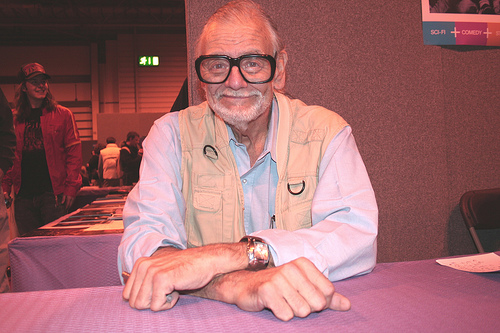
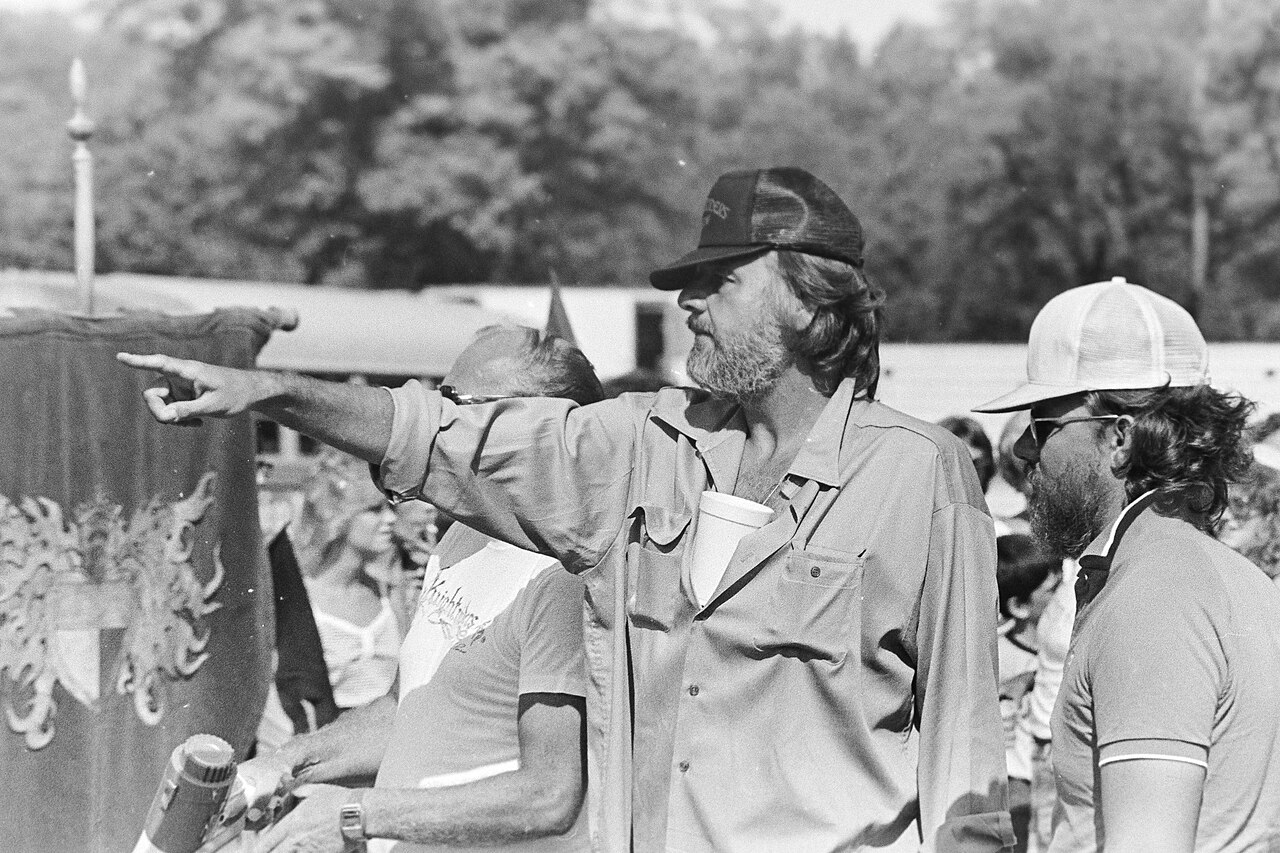
Filmmaker George A. Romero (1940–2017) reshaped horror cinema with socially conscious, low‑budget zombie films such as Night of the Living Dead and Dawn of the Dead.
Overview
George Andrew Romero (February 4, 1940 – July 16, 2017) was a filmmaker and occasional actor widely credited with redefining horror cinema. Born to immigrant parents in New York City, he became known for a series of influential genre pictures that combined shock, satire and social commentary. His career bridged independent production techniques and mainstream recognition, and he held dual connections to both American and Canadian film communities.
Image gallery
6 Images



Style and themes
Romero's films are characterized by stark black‑and‑white imagery (in earlier work), economical production, dark humor and a willingness to examine contemporary anxieties. He used scenes of violence and gore not only for fright but to critique consumerism, militarism, race relations and media sensationalism. His approach mixed practical makeup effects, location shooting and an ensemble cast to create films that felt immediate and unsettling.
Notable films
- Night of the Living Dead (1968) — a low‑budget landmark that helped define modern horror films.
- Dawn of the Dead (1978) — a satirical take on consumer culture set largely in a shopping mall.
- Day of the Dead (1985) — a darker entry focusing on military and scientific responses.
- Other works include The Crazies, Creepshow, Land of the Dead, Diary of the Dead and Survival of the Dead.
Origins and production
Romero began as a commercial and short‑film director before breaking through with Night of the Living Dead, produced outside the studio system. That film's unexpected public reception and later copyright lapse — which placed it in the public domain — helped spread its influence, leading to sequels, remakes and a cultural fixation on the walking dead. He often collaborated with special effects artists and writers to stretch limited budgets into memorable imagery.
Legacy and influence
Romero is frequently cited as the architect of the contemporary zombie archetype: slow, cannibalistic revenants that serve as metaphors for social breakdown. Filmmakers, television creators and game designers continue to draw on his visual and thematic language. Institutions and retrospectives have reexamined his work for its formal innovations and political subtext, and his films remain a staple in horror studies and popular culture.
Notable facts
Romero worked across decades to revisit and reinterpret the zombie concept, sometimes returning to the same characters or ideas in new cultural contexts. Beyond fright, his films are discussed for their moral ambiguities, media criticism and inventive low‑budget craft. For readers seeking further details on his filmography and critical reception, see curated filmographies and analyses available through specialist cinema resources.
More on his American roots • Canadian connections • Key horror films • Zombie genre influence
Author
AlegsaOnline.com George A. Romero: Pioneer of the Modern Zombie Film Leandro Alegsa
URL: https://en.alegsaonline.com/art/138812