
Fritz Sauckel: Nazi official and organiser of forced labour
Biography of Fritz Sauckel (1894–1946), Nazi Gauleiter and General Plenipotentiary for Labour Deployment, his role in the wartime forced labour system, trial at Nuremberg, and legacy.
Ernst Friedrich Christoph "Fritz" Sauckel (27 October 1894 – 16 October 1946) was a senior official of the National Socialist regime who played a central administrative role in mobilizing foreign labour for Nazi Germany. He held high party and state offices in Thuringia and, from 1942, served as General Plenipotentiary for Labour Deployment, the post that made him responsible for procurement and control of labour from occupied territories during World War II.
Image gallery
7 Images


Early life and political rise
Sauckel came from a modest background and rose through local and regional Nazi structures during the 1920s and 1930s. He became Gauleiter and later Reichsstatthalter of Thuringia, combining party and governmental authority in that province. During this period he consolidated political power and gained a reputation as an energetic administrator, which led to appointments at the national level after the outbreak of war.
Role as General Plenipotentiary for Labour Deployment
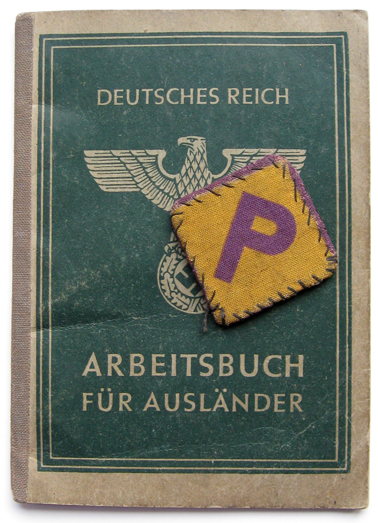
In 1942 Sauckel was appointed General Plenipotentiary for Labour Deployment, a post created to provide labour for German industry and agriculture as the war intensified. In this capacity he organised the large-scale requisitioning, transportation and allocation of workers drawn from territories occupied by Germany. The programme implemented strict quotas, coercive recruitment practices and administrative arrangements to channel millions of civilians into German factories, farms and construction projects.
Forced labour system and impact
The forced labour system under Sauckel involved a mixture of recruitment, deportation and direct seizure of workers. Conditions varied by location but frequently included harsh living and working conditions, restricted freedom, and brutal enforcement by security and police units. Contemporary and later assessments describe the system as a form of organised exploitation that contributed to the German war economy while inflicting severe suffering on those compelled to work.
Trial, conviction and execution
After Germany's defeat Sauckel was tried at the International Military Tribunal in Nuremberg. The court examined his role in organising and administering forced labour drawn from occupied countries. He was found guilty of war crimes and crimes against humanity and sentenced to death; the sentence was carried out in October 1946.
Positions, distinctions and historical assessment
- Party and regional offices: Gauleiter and Reichsstatthalter of Thuringia.
- National office: General Plenipotentiary for Labour Deployment (from 1942).
- Paramilitary rank: he held an honorary rank as Obergruppenführer in the SA.
Modern historians consider Sauckel a key organiser of the Nazi forced labour regime and hold him responsible for practices that amounted to large-scale human exploitation. For further biographical detail, primary documents and archival records, see specialized histories and collections: his dates of birth and death are recorded in many reference works (birth, death), and accounts of the labour programme and its victims are available in studies of wartime occupation (forced labour, occupied territories).
Author
AlegsaOnline.com Fritz Sauckel: Nazi official and organiser of forced labour Leandro Alegsa
URL: https://en.alegsaonline.com/art/138647