
Free France: the movement and forces opposing Vichy and fighting with the Allies
Free France was the movement and government-in-exile led by Charles de Gaulle from 1940, organizing troops and resistance against the Nazi occupation and the Vichy regime until liberation in 1944–45.
Overview
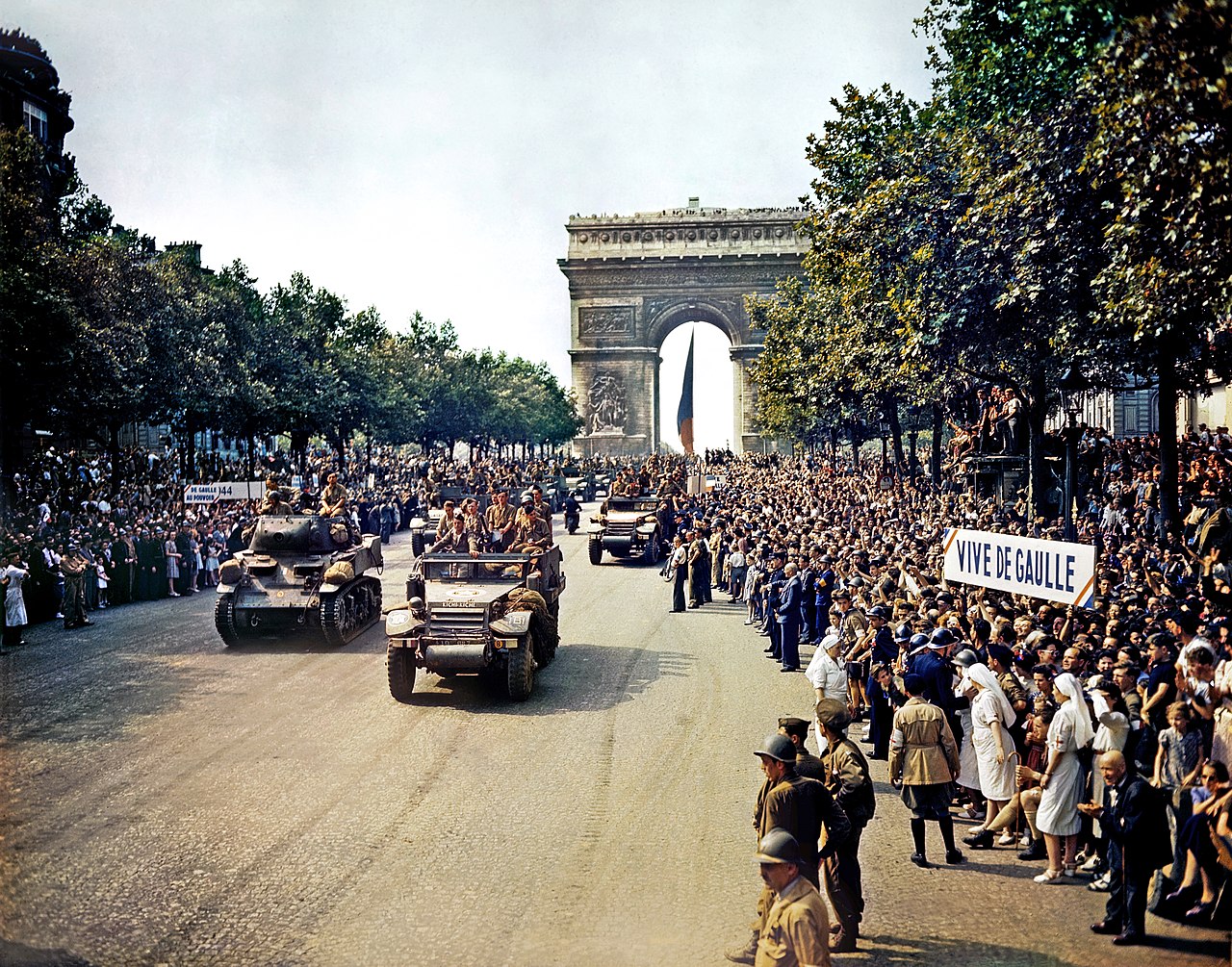
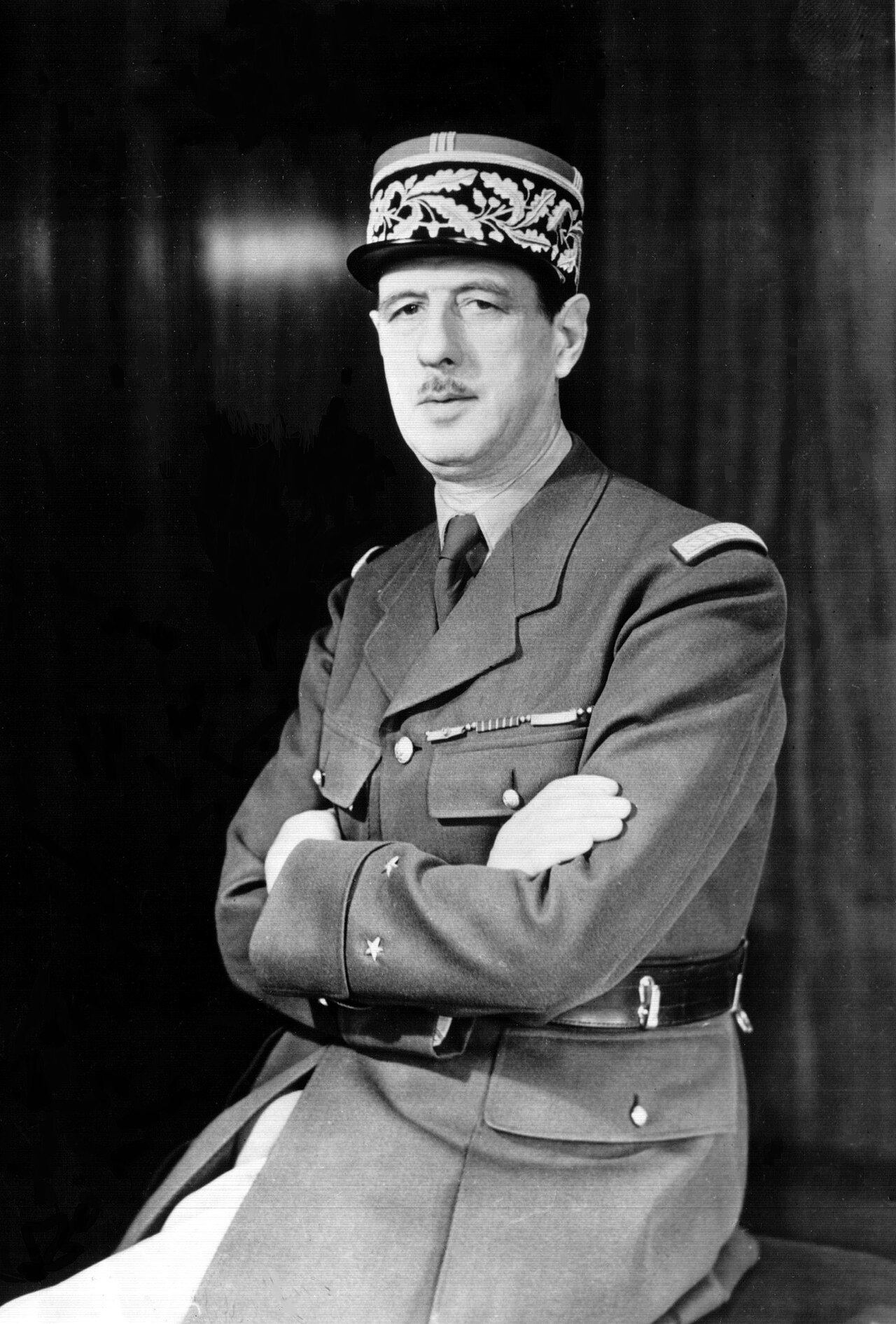
Free France was the political and military movement formed after France's defeat in 1940 to continue resistance against Nazi Germany and the collaborationist Vichy government. Led by Charles de Gaulle, it combined overseas military units, political representatives in exile and networks of the internal Resistance to maintain a French presence on the Allied side during World War II. Many histories distinguish the Free French Forces from Vichy French institutions.
Image gallery
10 Images




Origins and organization
The movement began when de Gaulle, then a junior minister and general, made a public appeal for continued resistance following the armistice. Exiled civil servants and military personnel established a committee and later a provisional government to organize recruitment, diplomacy and administration in territories that rejected Vichy control. Free France brought together regular troops, colonial units and volunteers from occupied and overseas territories.
Military activity and resistance
Free French formations fought in a variety of theaters: in Africa, the Middle East, and on the European fronts alongside British and later American forces. Elements of the movement also supported and coordinated with partisan groups inside occupied France, aiding sabotage of lines of communication, gathering intelligence and facilitating Allied operations. Their forces participated in campaigns that helped weaken Axis control and prepared the ground for large Allied invasions.
Political role and legacy
Politically, Free France claimed to be the legitimate continuation of the French Republic and worked to restore French sovereignty after liberation. The movement gradually gained recognition from the Allies and from French territories liberated from Axis control, evolving into the Provisional Government of the French Republic during 1944–45. Its existence challenged the authority of the Vichy regime and provided an institutional basis for postwar reconstruction and for France's return to international affairs.
Notable features and importance
- Combined military and political resistance under a single leadership.
- Coordinated overseas campaigns and internal sabotage to assist Allied operations.
- Laid the groundwork for France's postwar government and international role.
For further context on the occupation and the broader conflict, see materials on the Nazi occupation, the global conflict of World War II, and the opposing German military and political forces of the period (Germany).
Author
AlegsaOnline.com Free France: the movement and forces opposing Vichy and fighting with the Allies Leandro Alegsa
URL: https://en.alegsaonline.com/art/138622