
Fred M. Vinson
American jurist and politician who served in all three branches of the U.S. government: long-time congressman from Kentucky, Treasury Secretary, and the 13th Chief Justice of the United States.
Overview
Fred Moore Vinson (January 22, 1890 – September 8, 1953) was an American lawyer and public official who held high office in all three branches of the United States federal government. He is notable for a rare trajectory from the legislative branch into senior executive service and finally to the federal judiciary as the 13th Chief Justice of the United States. His career bridged World War II and the early Cold War era and reflected the close connections among law, politics, and administration in mid-20th-century Washington.
Image gallery
6 Images
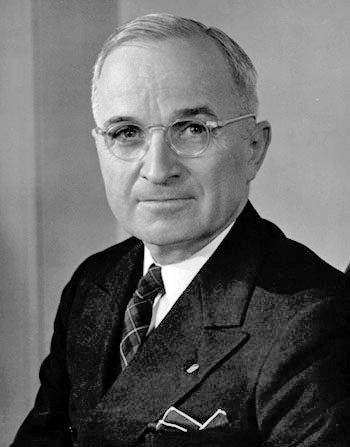

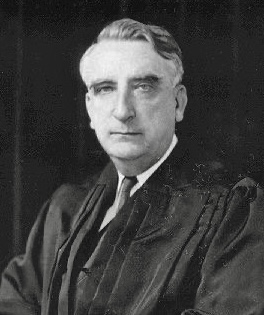


Early life and political rise
Born in Louisa, Kentucky, Vinson trained as an attorney and entered public life through state and national politics. He served multiple terms as a member of the United States House of Representatives representing his hometown area, building a reputation as a pragmatic legislator. Over about a dozen years in Congress he worked on fiscal and legal matters that later informed his executive and judicial work.
Service in three branches
Vinson’s career is often highlighted for its movement across branches. After his time as a congressman from Louisa, Kentucky, he accepted an appointment in the executive branch, becoming Secretary of the Treasury under President Harry S. Truman. His Treasury role placed him at the center of postwar economic policy and government finance. Truman later nominated him to the Supreme Court, where he served as Chief Justice until his death in 1953.
Judicial tenure and notable characteristics
As Chief Justice, Vinson presided over a Court confronting the legal questions of a rapidly changing nation: postwar economic regulation, labor disputes, emerging Cold War security issues, and civil liberties claims. Colleagues and historians often describe his leadership as managerial and pragmatic; he sought consensus where possible and emphasized stability in institutional practice. His tenure preceded the more visibly activist period that followed under his successor, Earl Warren.
Positions and chronology
- Congressman from Kentucky — multiple terms in the U.S. House of Representatives (House).
- Secretary of the Treasury under President Truman.
- 13th Chief Justice of the United States, appointed by President Truman and serving until his death; succeeded by Earl Warren.
Legacy and significance
Vinson’s path—elected representative, cabinet officer, and finally Chief Justice—remains an uncommon one and illustrates the mid-century interplay of law and politics. He was among the last Supreme Court leaders nominated by a president of the Democratic Party as of the mid-2010s. Scholars assess his legacy as that of a stabilizing figure on the Court: not identified with sweeping doctrinal shifts but important for managing an institution facing new national and international pressures. For a concise biographical overview and primary source references, consult standard legal histories and archival collections (local sources and national repositories at federal archives).
Author
AlegsaOnline.com Fred M. Vinson Leandro Alegsa
URL: https://en.alegsaonline.com/art/138613