
Francisco Morales-Bermúdez — Peruvian general and head of state (1921–2022)
Peruvian army general who led a 1975 coup and served as de facto president from 1975 to 1980, overseeing a controlled transition to civilian rule; later a candidate in 1985 and subject of human‑rights inquiries.
Overview
Francisco Morales‑Bermúdez Cerruti (4 October 1921 – 14 July 2022) was a Peruvian army general and political figure who became the country’s head of state in 1975. He led a change of command within the military government and governed until the restoration of elected civilian rule in 1980. His years in power marked a retreat from earlier radical reforms, rising economic pressures, and a planned return to democratic institutions.
Image gallery
2 Images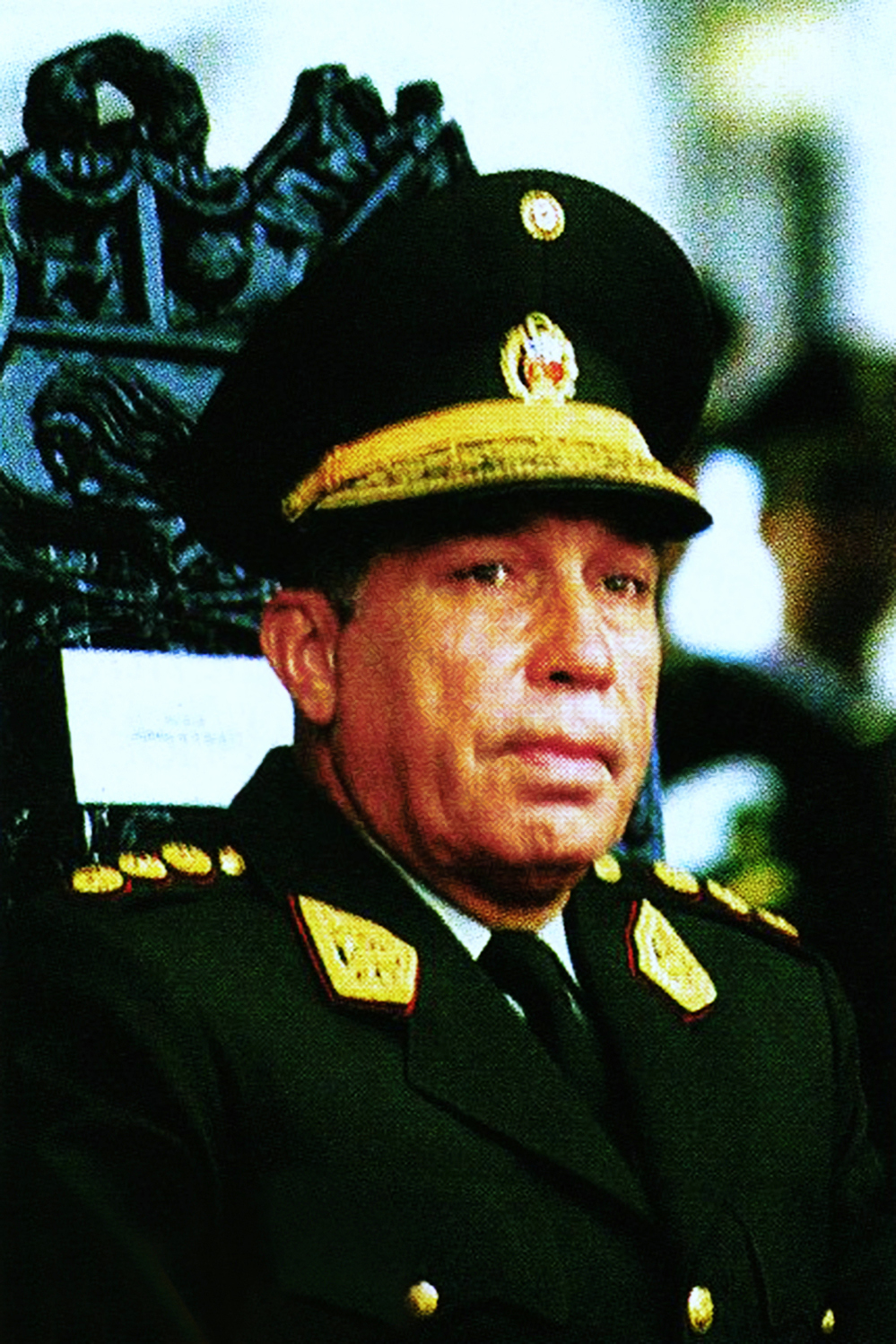

Early life and military career
Born in Lima into a family of European and Peruvian descent, Morales‑Bermúdez pursued a professional military career. Over several decades he rose through the officer ranks and held senior posts within the army, gaining a reputation for administrative competence and doctrinal conservatism. His prominence among senior officers positioned him to assume national leadership during a period of intra‑military conflict over policy and direction.
Presidency (1975–1980)
In August 1975 Morales‑Bermúdez deposed the government of Juan Velasco Alvarado and established himself as the head of the ruling junta. As president he moved to moderate some of the previous administration’s left‑ist economic and social measures and sought to stabilize public finances amid mounting economic difficulties. He also initiated a phased program to restore constitutional government, culminating in national elections held in 1980 and the transfer of power to a civilian president. See more on his Presidency (1975–1980) for a chronology of major actions.
Policies and legacy
Morales‑Bermúdez’s tenure is remembered for a mix of pragmatic retrenchment and political transition. He oversaw policy shifts intended to reduce state control of certain sectors and to reintroduce market mechanisms, while also confronting social unrest and economic strain. Scholars and commentators evaluate his legacy in light of the eventual return to electoral democracy and the long‑term economic trends that followed.
Later life, politics and scrutiny
After leaving office he remained a public figure: he ran unsuccessfully for the presidency in 1985, receiving only a small share of the vote, and continued to be active in veterans’ and civic circles. In subsequent decades he faced legal and diplomatic scrutiny related to regional counter‑insurgency and cooperation among South American security services; investigators in Europe examined alleged abuses from the era, a subject of ongoing legal and historical debate. For background on those proceedings see related investigations and his military record at official archives.
Notable facts
- Served as Peru’s de facto head of state from 1975 to 1980.
- Presided over a transition that returned the country to elected government.
- Was the oldest living former Peruvian president at the time of his death in 2022.
Author
AlegsaOnline.com Francisco Morales-Bermúdez — Peruvian general and head of state (1921–2022) Leandro Alegsa
URL: https://en.alegsaonline.com/art/138533