
FC St. Pauli (German multi-sport club)
German sports club from the St. Pauli quarter of Hamburg, founded 1910. Best known for its professional football team, distinctive fan culture, left-wing politics and frequent participation in the 2. Bundesliga.
FC St. Pauli is a German sports club based in the St. Pauli quarter of Hamburg, St. Pauli, Hamburg, Germany. Founded in 1910, the organisation operates multiple sports sections but is most widely recognised for its men's professional football team. The club plays its home matches at the Millerntor-Stadion and typically competes in the 2. Bundesliga, the second level of German league football, with occasional promotions to and relegations from the top flight.
Image gallery
9 Images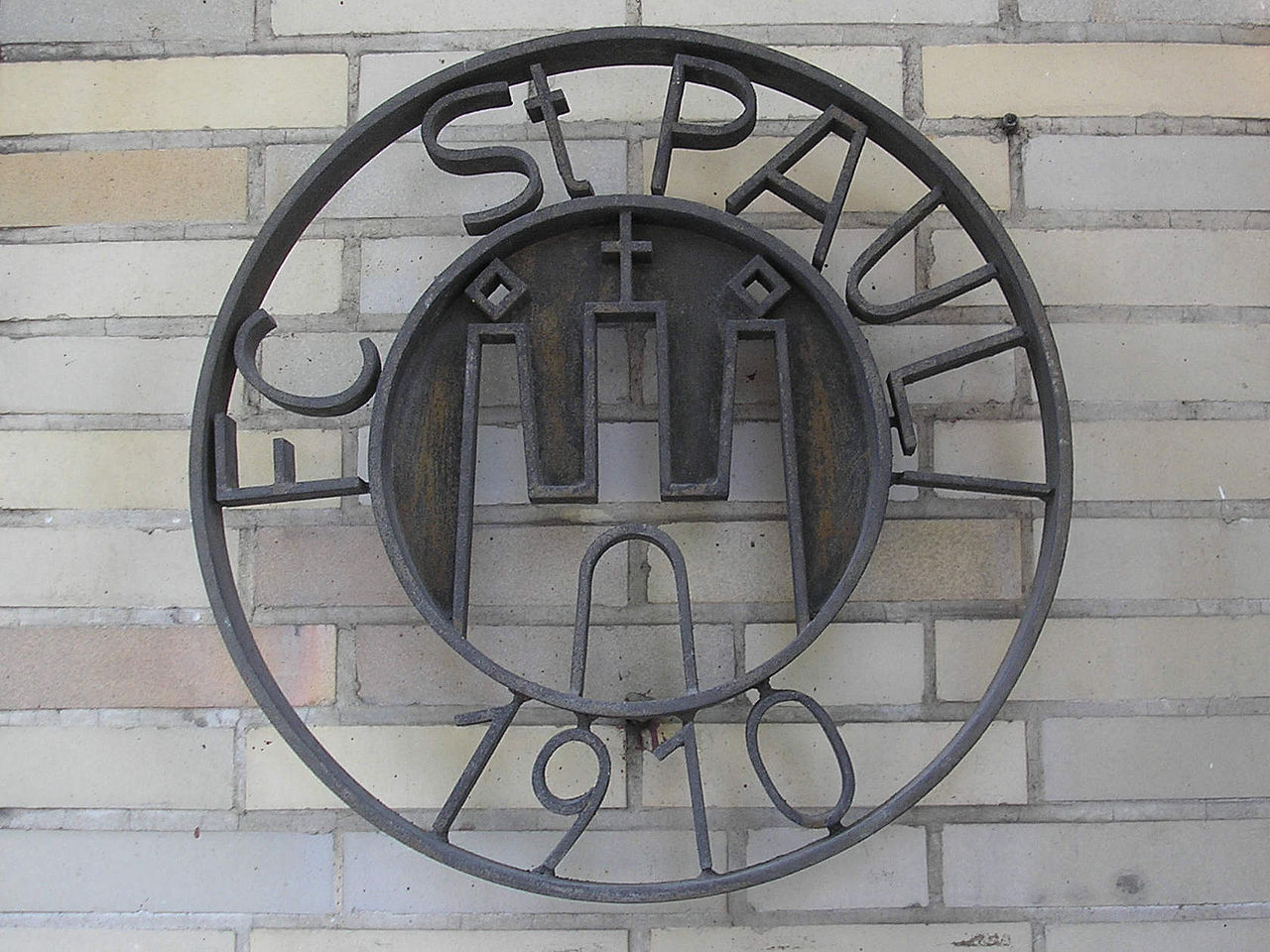




Identity and culture
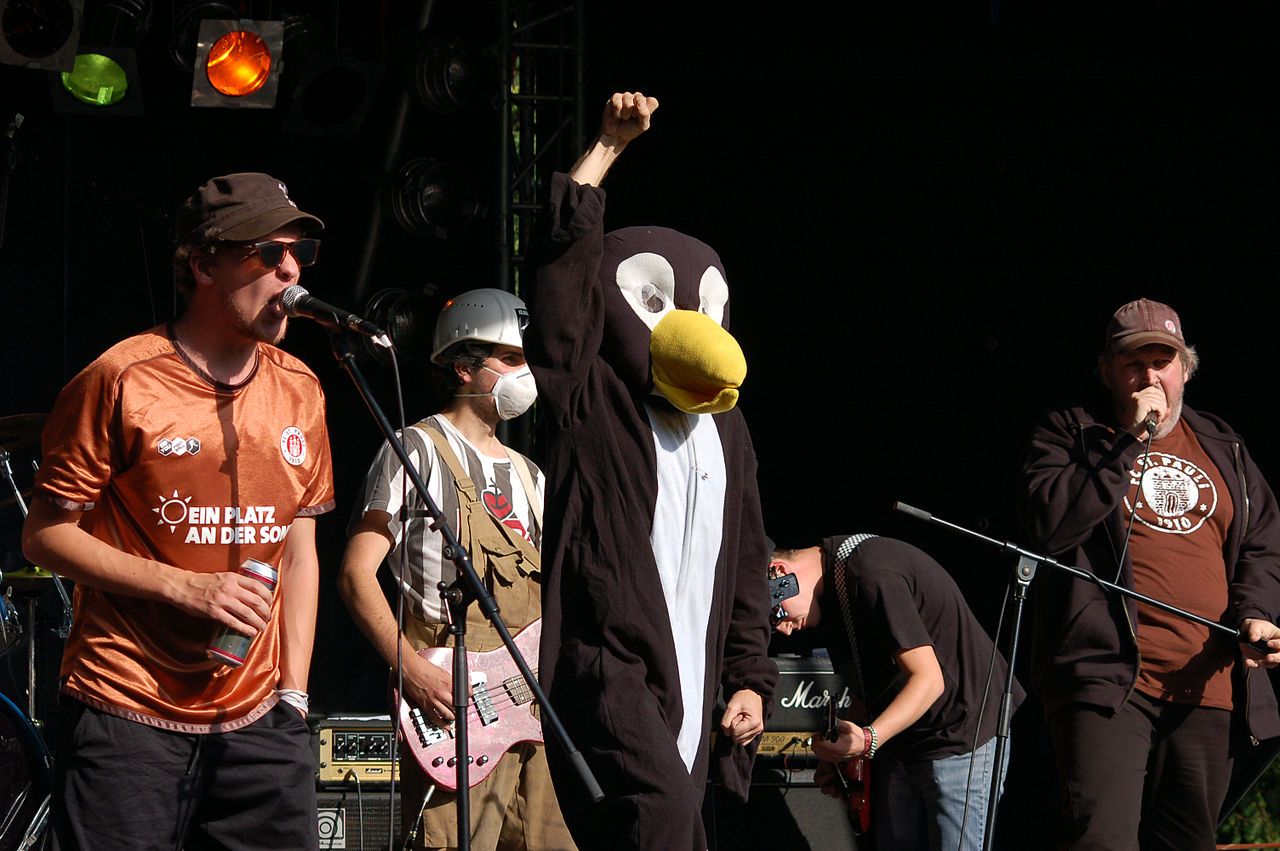
St. Pauli is notable for a distinctive supporter culture that combines local identity with political activism. Fans and the club emphasize anti-racism, anti-fascism and inclusion, and these values are visible in club communications, fan banners and supporter organisations. The club's skull-and-crossbones motif, adopted unofficially by supporters in the late 20th century, has become an internationally recognised symbol associated with the team.
Organisation and sporting sections
FC St. Pauli is a membership-run club with teams beyond football. Commonly cited sections include handball, rugby, boxing, baseball and a range of amateur football squads, alongside youth and recreational programmes. The multisport structure is part of the wider German club model, where competitive and community activities coexist under a single membership and governance framework.
History and competitive record
Established in 1910, the club has a long regional history and has alternated between Germany's top tiers and lower divisions. Its football department attracted wider attention in the late 20th and early 21st centuries as its fan culture gained prominence. In 2010 the team earned promotion to the Bundesliga but were relegated after one season; since then they have most often been found in the second division while periodically challenging for promotion.
Community role and broader significance
Beyond on-field results, St. Pauli's reputation rests on its social engagement and cultural reach. It maintains active community projects, promotes social causes through matchday initiatives and has a global following attracted as much by its ethos as by sport. The club's rivalry with city neighbours Hamburger SV is a longstanding local fixture, reflecting both sporting contest and differing club identities.
Notable characteristics
- Colours and badge: traditionally brown and white, with fan-adopted symbols such as the Jolly Roger.
- Membership model: governed by club members rather than private owners.
- Political stance: publicly supportive of anti-discrimination efforts and inclusive policies.
- Cultural impact: recognised internationally as a "cult" club with active fan networks.
For further information about the neighbourhood, city and country context see local resources linked above or official club channels. FC St. Pauli remains an example of how a sporting institution can combine competitive ambitions with pronounced social values.
Author
AlegsaOnline.com FC St. Pauli (German multi-sport club) Leandro Alegsa
URL: https://en.alegsaonline.com/art/138339