
Fayette County, West Virginia
County in southern West Virginia known for the New River Gorge, Appalachian landscape, coal-mining history, Fayetteville county seat, and a growing outdoor recreation and tourism economy.
Overview
Fayette County is located in the southern part of the U.S. state of West Virginia. It occupies a largely Appalachian landscape of ridges, narrow hollows and river valleys. The county combines a legacy of extractive industry with extensive natural scenery that supports recreation, tourism and local communities.
Image gallery
3 Images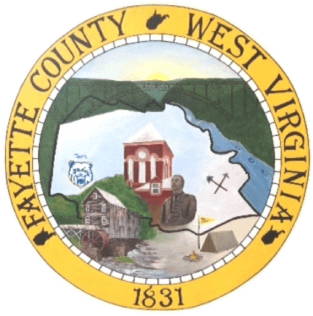


History
Organized in the 19th century and named for the Marquis de Lafayette, Fayette County developed around coal mining, timbering and railroads. Those industries shaped towns, population growth and transportation corridors through the 19th and 20th centuries. As mining declined in the later 20th century, communities adapted and sought new economic opportunities.
Geography and protected areas
The New River cuts a deep gorge across the county and is the focal point for much of its scenic and recreational identity. The New River Gorge Bridge and the gorge's rugged cliffs attract visitors for overlooks, photography and outdoor sports. Parts of the gorge and surrounding forests are managed for conservation and public recreation, and the area has received heightened national recognition in recent years.
Demographics and government
At the 2010 census 46,039 residents were recorded in the county. The county seat is Fayetteville, which functions as an administrative and cultural center and a gateway for visitors. Local government provides services across incorporated towns, small communities and rural territories.
Economy and recreation
Historically dominated by coal and timber, the county economy has diversified toward tourism, recreation and small-scale services. Whitewater rafting, rock climbing, hiking and scenic drives are important attractions. Local festivals, historic sites and preserved industrial heritage help support businesses and community revitalization efforts.
Transportation and communities
Roads and former rail corridors link Fayette County to nearby towns and regional centers. In addition to Fayetteville, the county includes several small municipalities and many unincorporated communities that reflect its settlement patterns and industrial past.
Further information
Author
AlegsaOnline.com Fayette County, West Virginia Leandro Alegsa
URL: https://en.alegsaonline.com/art/138334