
Edmond H. Fischer — Nobel Prize–winning biochemist (1920–2021)
Swiss-born American biochemist Edmond H. Fischer (1920–2021) shared the 1992 Nobel Prize for discovering reversible protein phosphorylation, a fundamental cellular regulatory mechanism with wide biomedical impact.
Overview
Edmond Henri Fischer (April 6, 1920 – August 27, 2021) was a Swiss-born American biochemist noted for his work on how cells regulate protein activity. Fischer shared the 1992 Nobel Prize in Physiology or Medicine with Edwin G. Krebs for revealing that the addition and removal of phosphate groups controls many aspects of cellular function. His career combined laboratory research, teaching and advocacy for basic science.
Image gallery
3 Images

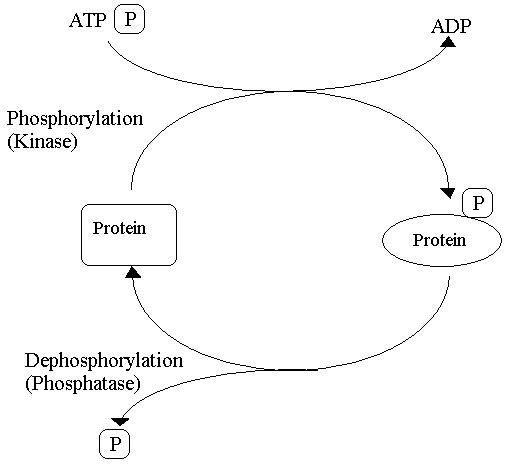
Discovery: reversible protein phosphorylation
Fischer and Krebs showed that phosphorylation — the reversible attachment of phosphate groups to proteins — acts as a molecular switch to alter protein activity, location, or interactions. This process is carried out by protein kinases and reversed by protein phosphatases, and it underlies rapid regulation of metabolism, signal transduction and cell-cycle control. Their work established phosphorylation as a central mechanism in cellular communication and regulation; more details are summarized under protein phosphorylation.
Career and positions
Fischer spent much of his career in the United States, where he combined research with mentorship of students and postdoctoral scientists. He was affiliated with the University of Washington in Seattle and continued to engage with the scientific community well into later life. From 2007 to 2014 he served as Honorary President of the World Cultural Council. Fischer died in Seattle on August 27, 2021, at the age of 101.
Awards and recognition
The Nobel Prize (1992) is the best-known of Fischer's honors, awarded for work that transformed understanding of cellular regulation. Beyond the Nobel, his discovery influenced many subsequent prizes, research programs and clinical advances by providing a framework for studying how cells respond to hormones, growth factors and stress.
Key contributions
- Demonstrating that reversible phosphorylation controls protein function and cellular processes.
- Identifying the conceptual roles of kinases and phosphatases in signaling cascades.
- Establishing a biochemical basis for numerous disease mechanisms and therapeutic targets.
Legacy and importance
Fischer's work provided tools and concepts still central to molecular biology, pharmacology and medicine. Protein phosphorylation is a focus of research into cancer, diabetes, neurological disorders and immunology; many drugs target kinases or phosphatases discovered or characterized after his seminal studies. Fischer is remembered for both the clarity of his discoveries and his long-term influence as a mentor and exemplar of curiosity-driven biomedical research. For a concise biographical profile see this entry on Fischer as a noted biochemist.
Author
AlegsaOnline.com Edmond H. Fischer — Nobel Prize–winning biochemist (1920–2021) Leandro Alegsa
URL: https://en.alegsaonline.com/art/137875