
Edgbaston, Birmingham
Affluent district of Birmingham, England, known for its cricket ground, university campus, Victorian and Edwardian residences, green spaces, and cultural institutions.
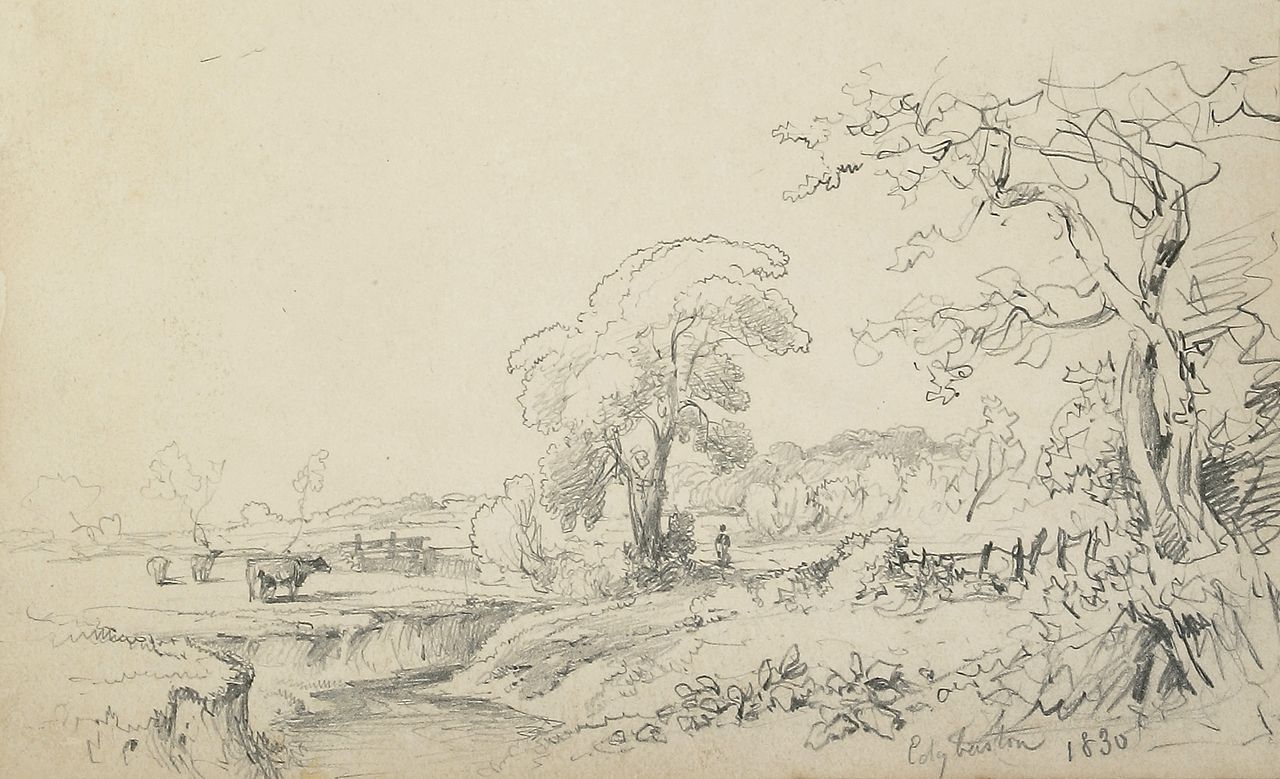
Edgbaston is a well-established district immediately southwest of central Birmingham, England. Traditionally regarded as one of the city's most affluent neighbourhoods, it combines residential streets, academic facilities and sporting venues. Its reputation rests on a mix of historic architecture, tree-lined avenues and large private gardens.
Image gallery
5 Images


Characteristics and landmarks
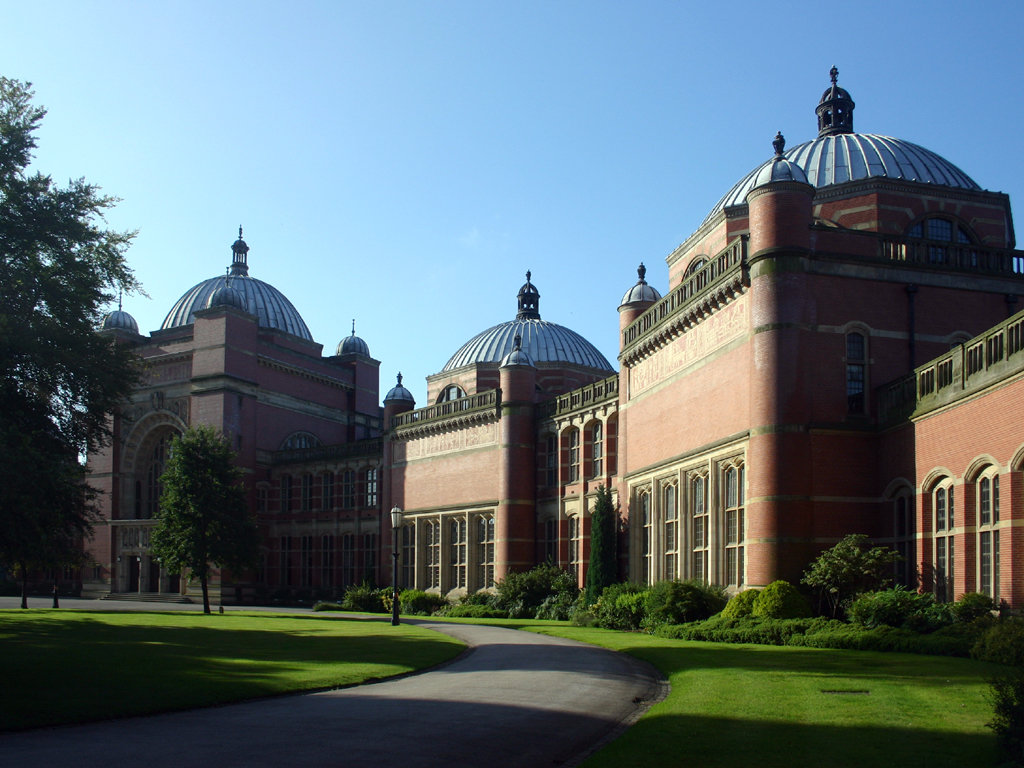
The area is characterised by detached and semi-detached houses from the Victorian and Edwardian periods, many located within conservation areas. Notable landmarks include Edgbaston Cricket Ground, which hosts county and international matches, and the nearby campus of the University of Birmingham, with its distinctive clock tower and academic buildings.
- Edgbaston Cricket Ground – internationally known cricket venue.
- University campus – teaching, research and cultural events.
- Botanical gardens and reservoirs – local green spaces and leisure areas.
History and development
Edgbaston developed rapidly in the 19th century as Birmingham expanded. Wealthy industrialists and professionals built villas and mansions in a suburban, park-like setting. Over time the district retained much of its leafy character through planning controls and conservation efforts.
Uses and significance
Today Edgbaston serves multiple roles: a residential area for families and professionals, an academic neighbourhood around the university, and a national sporting centre because of its cricket ground. Local amenities include independent shops, clubs, and recreational facilities that contribute to its high desirability.
Transport and notable facts
The district is well connected to Birmingham city centre by road and public transport, with nearby rail and bus links. Edgbaston is frequently cited in discussions of urban conservation and suburban affluence within major British cities and remains a prominent part of Birmingham's cultural and educational life.
Author
AlegsaOnline.com Edgbaston, Birmingham Leandro Alegsa
URL: https://en.alegsaonline.com/art/137862