
Don't Worry, Be Happy — Bobby McFerrin song and cultural impact
1988 a cappella single by Bobby McFerrin, built from a Meher Baba phrase; first a cappella No. 1 on the Billboard Hot 100 and widely used in popular culture.
Overview
"Don't Worry, Be Happy" is a popular song recorded by Bobby McFerrin and released as a single in September 1988. The tune is built around a simple, repeated refrain and a relaxed, upbeat mood that emphasizes an optimistic, care-free outlook. It became notable for reaching the top of the charts despite being performed entirely with voices rather than conventional instruments.
Image gallery
3 Images

Composition and recording
The recording is essentially an a cappella arrangement created in the studio by layering multiple vocal tracks. McFerrin used his voice to supply melody, harmony, rhythmic backing and even percussive sounds through overdubbing, producing an ensemble of voices from a single performer. The single version differs in length from the album cut, and the music video is shorter than the album recording.
Release, charts and recognition
Released in late 1988, the song climbed the charts rapidly and became the first a cappella single to reach number one on the Billboard Hot 100, where it remained for two weeks. Its commercial success helped bring wider attention to McFerrin's unconventional vocal style and to a cappella arrangements in mainstream pop. The recording also drew industry recognition and was widely discussed in the press.
Source of the lyrics
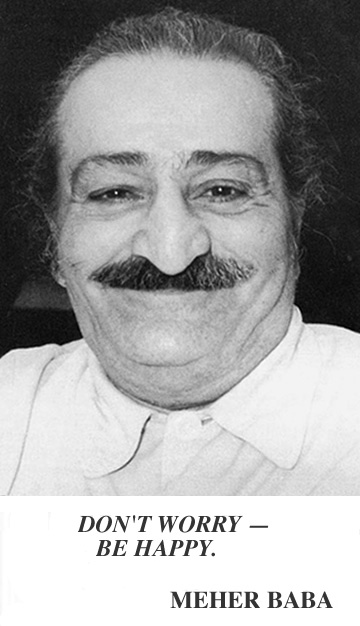
The opening phrase and central line of the song were inspired by the teachings of the Indian spiritual teacher Meher Baba, who often used the exhortation "Don't worry, be happy." McFerrin adapted that succinct message into a short lyrical meditation, repeating the line and expanding it with brief verses and vocal improvisation.
Cultural impact and uses
The song's catchy slogan and relaxed groove made it popular for radio play and for use in films, television and advertising; it has appeared in various media and is often cited as an example of a lighthearted, feel‑good pop song. The music video and single received heavy rotation at the time of release, and the phrase entered wider popular usage as a pithy expression of reassurance.
Notable facts and distinctions
- First a cappella single to top the Billboard Hot 100 in the modern pop era.
- The recording showcases studio overdubbing techniques to create a full-band sound from one voice.
- It brought renewed attention to McFerrin's broader work as a vocalist and improviser; see more about the artist here.
- Its reception led to discussions about the line between artistic expression and commercial licensing in popular music (music commentary).
Author
AlegsaOnline.com Don't Worry, Be Happy — Bobby McFerrin song and cultural impact Leandro Alegsa
URL: https://en.alegsaonline.com/art/137594