
A cappella: Unaccompanied vocal music — forms, techniques, and history
A cappella is vocal music without instruments. This article explains its voice parts, vocal percussion, styles from chant to pop groups, techniques of arrangement and harmony, and its cultural roles.
Overview
A cappella refers to music performed solely with the human voice, without instrumental accompaniment. The term comes from Italian and literally means "in the manner of the chapel," reflecting the genre's long association with religious and liturgical singing. In modern usage a cappella covers a wide spectrum: from monophonic chant to complex multi‑voice arrangements that imitate instruments and percussion.
Image gallery
4 Images


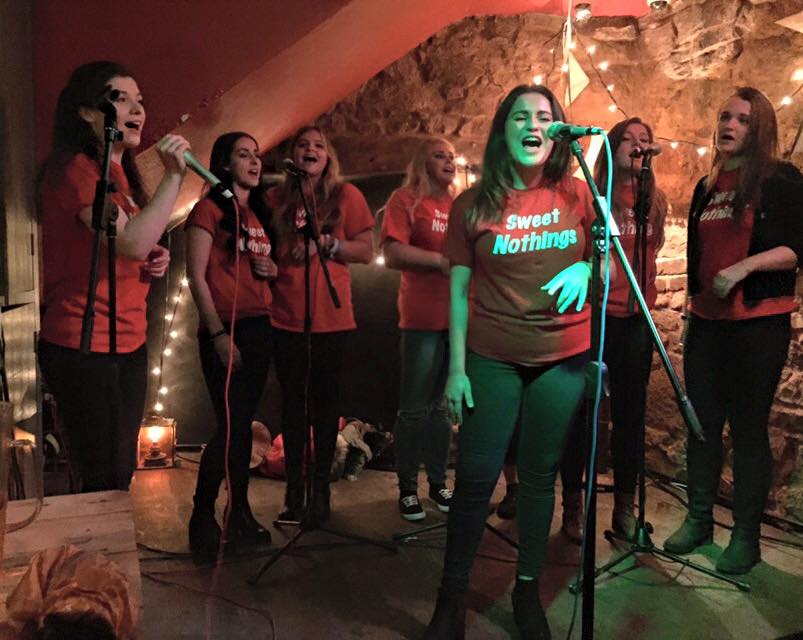
Voice parts and ensemble roles
A cappella ensembles often adopt the same functional voice parts used in mixed choirs. Typical divisions include:
- Soprano — the highest female or treble voice, often carrying melody lines.
- Alto — the lower female or high male voice that supports harmony and inner lines.
- Tenor — a higher male voice, frequently used for melody or high harmony.
- Baritone — fills the mid‑low harmonic space and often bridges tenor and bass parts.
- Bass — the lowest voice, anchoring harmony and providing foundation for chord structures.
Not every group uses all five parts; smaller ensembles may double or omit parts, and specialized groups assign roles differently depending on repertoire and vocal range.
Techniques and vocal percussion
Beyond pitched singing, a cappella relies on timbre, articulation and rhythm. Arrangers use close harmony, voice leading, countermelodies and vocal imitation to suggest instruments. Vocal percussion—often called beatboxing—recreates drum kit patterns, basslines and effects. Skilled performers can imitate kicks, snares and hi‑hats, and even electronic textures such as synthesizer tones or distorted electric guitar sounds. Percussive elements may be produced using mouth sounds, chest taps, or coordinated body percussion for rhythmic emphasis.
History and development
A cappella singing has ancient roots. Early Western sacred music, including plainsong and chant, was performed without instruments and set the stylistic precedent. One well‑known early example is Gregorian chant, a tradition of unaccompanied liturgical melody. Over centuries, choral polyphony expanded the role of multiple independent vocal lines. In vernacular traditions, groups such as barbershop quartets and community choirs developed distinct arranging practices emphasizing close harmony and blend. In the 20th and 21st centuries contemporary a cappella has diversified further through collegiate groups, pop arrangements, studio production and media exposure.
Styles, examples and cultural importance
A cappella appears in many settings: sacred worship, formal choral concerts, popular music covers, commercial jingles and street performance. Styles range from simple homophony to intricate barbershop chords, jazz reharmonizations and pop arrangements that mimic studio recordings. Educational programs use a cappella to teach listening, tuning and ensemble skills because singers must balance pitch and timbre without instrumental reference. Community choirs and collegiate ensembles sustain local musical life, while professional groups and media have helped popularize the genre internationally.
Distinctions and notable facts
Key distinctions within a cappella involve texture (monophonic vs. polyphonic), role of percussion (none vs. vocal percussion), and degree of imitation (literal vs. stylized). While historically associated with churches, a cappella today spans secular and sacred contexts. Its adaptability—human voices modeling rhythm, harmony and timbre—keeps it a vibrant part of musical practice and innovation.
Further reading and resources are available for specific topics such as voice pedagogy, arranging techniques and beatboxing methods; search authoritative music education sources for practical exercises and repertoire examples.
Questions and answers
Q: What is a cappella music?
A: A cappella music is music where people sing without instruments.
Q: How many parts are there in a choir?
A: There are up to 5 parts in a choir: soprano, alto, tenor, baritone, and bass.
Q: Can a cappella have those 5 parts?
A: Yes, a cappella can also have those 5 parts.
Q: What is the difference between percussion in a cappella and musical instruments?
A: In a cappella, percussion is done by a person making the percussion sound, while in musical instruments, percussion is done with musical instruments that you hit, such as drums.
Q: What do performers do in a beatbox performance?
A: In a beatbox performance, performers make sounds like electric drums, synthesizer and electric guitar.
Q: What is Gregorian chant?
A: Gregorian chant is an example of a cappella singing.
Q: What does the word a cappella mean?
A: The word a cappella is Italian for "in the manner of the church" or "in the manner of the chapel".
Tags
Related articles
Author
AlegsaOnline.com A cappella: Unaccompanied vocal music — forms, techniques, and history Leandro Alegsa
URL: https://en.alegsaonline.com/art/11
Sources
- oxfordmusiconline.com : A cappella
- casa.org : CASA Homepage
- k-acs.com : KACS Homepage
- club.cyworld.com : Kissing - Korean A Cappella Club
- musiq0916.blog.me : blog.me