
Dinkelland — municipality in Overijssel, Netherlands
Dinkelland is a rural municipality in Overijssel's Twente region, bordering Germany. It is named for the Dinkel river and had about 27,000 inhabitants in 2021.
Overview
Dinkelland is a municipality in the Dutch province of Overijssel, located in the eastern part of the country within the cultural region of Twente. The area takes its name from the Dinkel river that flows through it. Dinkelland is adjacent to the German border (Germany) and combines small towns, villages and agricultural countryside. In 2021 the municipality's population was about 27,000 people.
Image gallery
4 Images


Geography and settlements
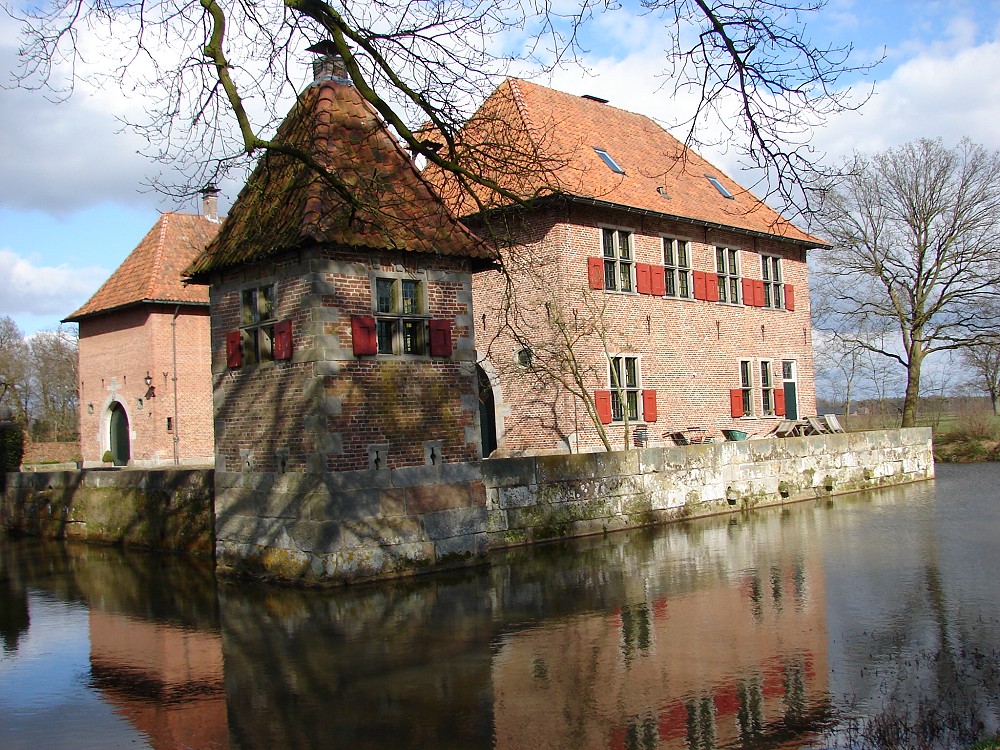
The landscape of Dinkelland is typically Twente: patchwork farmland, hedgerows, small forests and river valley meadows. The municipality contains a number of population centres and rural hamlets, with one town serving as the local administrative centre. Its border location gives it cross-border ties for commuting, trade and recreation.
History and administration
Dinkelland's present municipal boundaries were formed through local administrative reorganisations that brought together smaller communities under a single municipal council. Like other Dutch municipalities, Dinkelland is governed by a council and executive college, responsible for local planning, services and cultural affairs.
Economy, transport and culture
The local economy is a mix of agriculture, small-scale industry, service businesses and tourism. The rural character attracts visitors for cycling, walking and river-side recreation. Road connections link Dinkelland to neighbouring Dutch towns and to nearby German regions; public transport is oriented toward regional centres. Cultural life emphasises local festivals, historic churches and community events that reflect Twente traditions.
Notable facts and distinctions
- Named after the Dinkel river, which influences local landscapes and farming.
- Part of the Twente cultural region, noted for its distinct dialects and customs.
- Bordering Germany, the municipality has cross-border social and economic links.
Dinkelland illustrates a common Dutch pattern: a municipality combining historic villages and rural land, maintaining local identity while cooperating regionally on services and infrastructure. For official information and local services consult municipal sources or regional guides.
Author
AlegsaOnline.com Dinkelland — municipality in Overijssel, Netherlands Leandro Alegsa
URL: https://en.alegsaonline.com/art/137549