
Death and state funeral of Gerald R. Ford
Summary of the death, public ceremonies, and burial of Gerald R. Ford, the 38th U.S. President, including timeline, lying in state, funeral services, attendees, and legacy.
Overview
Gerald R. Ford, the nation's 38th chief executive, died on December 26, 2006. He passed away at his home in Rancho Mirage, California, at 6:45 p.m. local time (02:45 UTC, December 27). Widely reported as the end of a long retirement, his death was attributed to natural causes after a period of declining health; he was 93 years old.
Image gallery
10 Images





Immediate response and announcements
The news prompted official statements from sitting and former leaders and a period of national mourning. Flags were ordered flown at half-staff in many jurisdictions, and official condolence messages came from across the political spectrum. Media coverage summarized both his public career and private life, emphasizing his role in restoring stability to the presidency during a turbulent period.
State funeral and ceremonial events
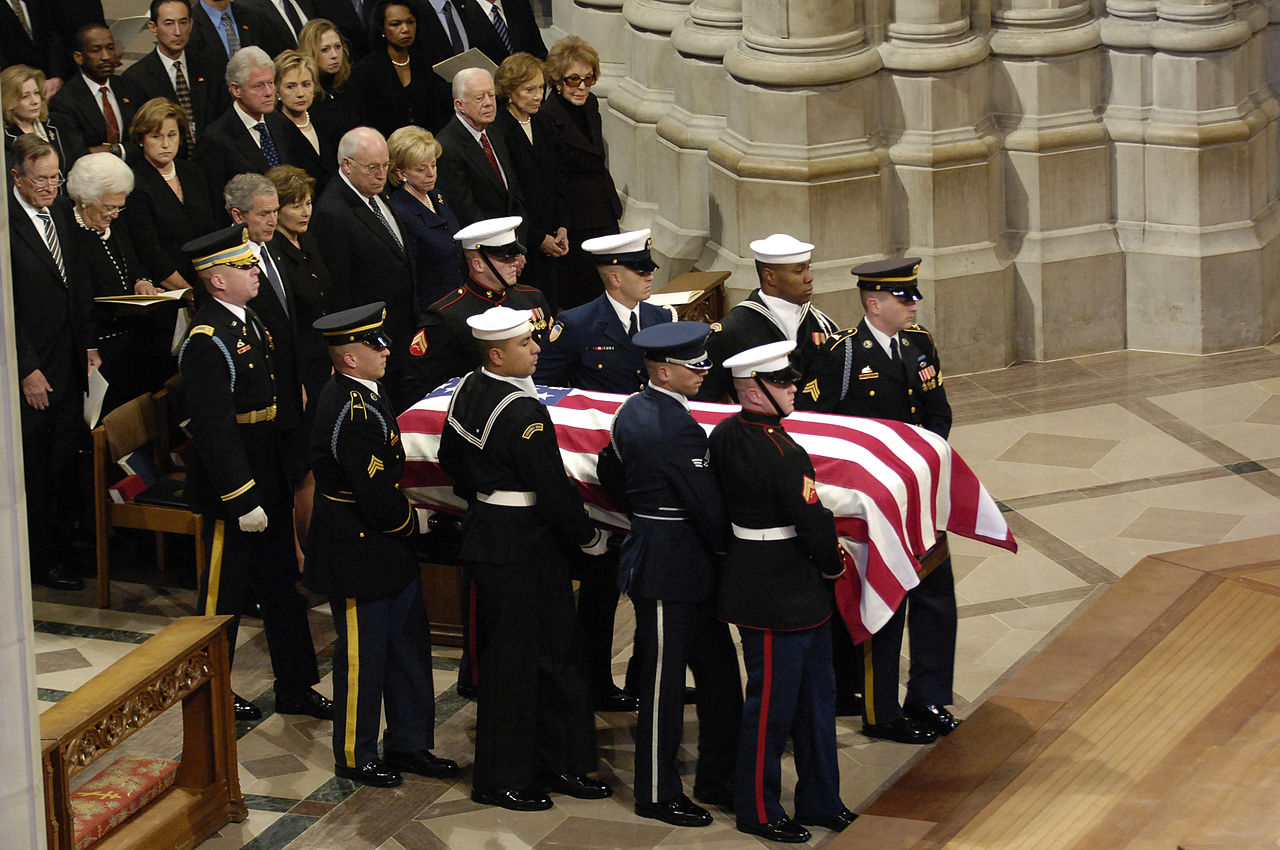
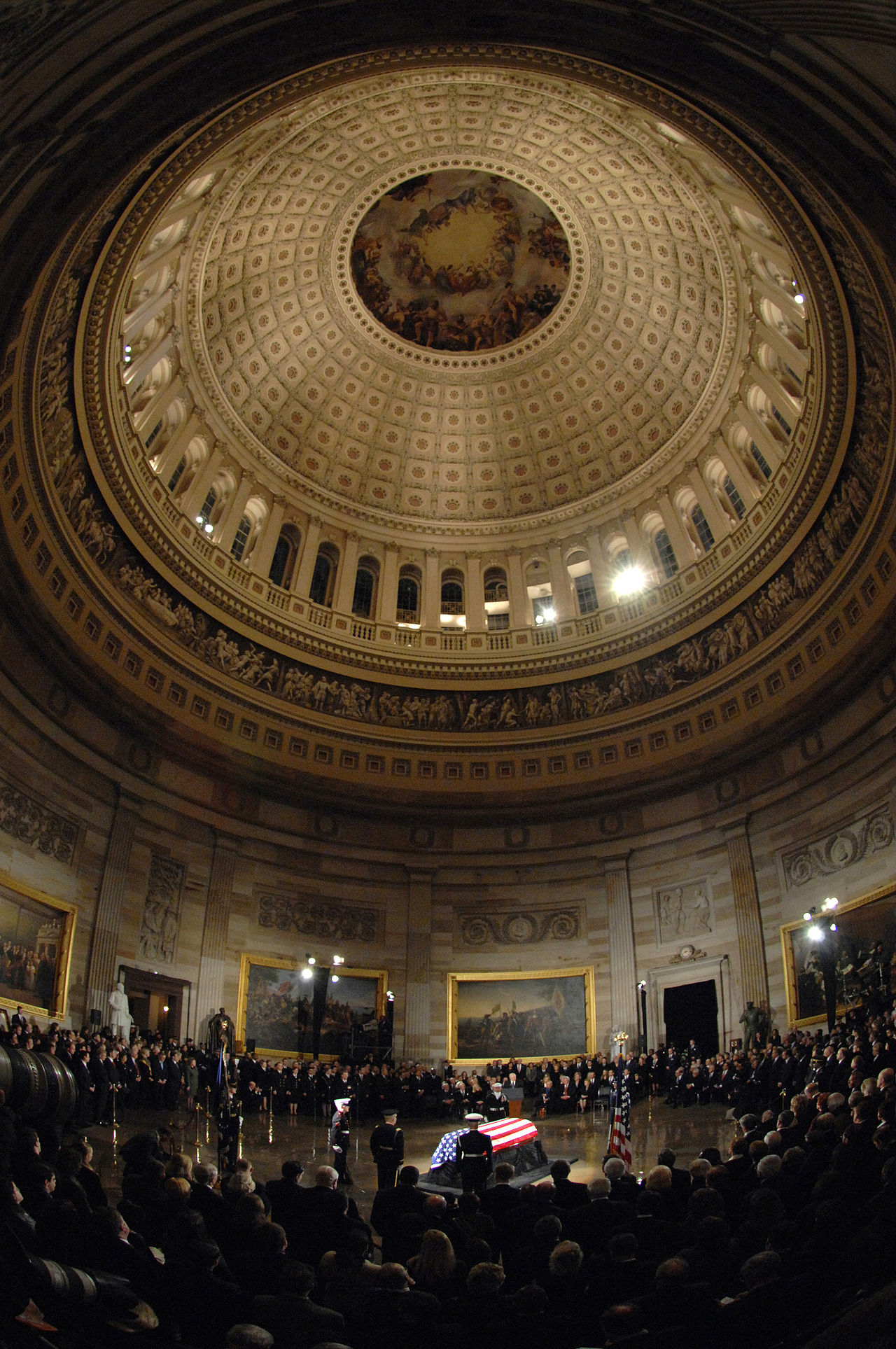
The former president was honored with a state funeral, a series of ceremonies that combined military honors, religious services, and opportunities for the public to pay respects. His remains lay in state in the United States Capitol Rotunda, where citizens, officials, and colleagues filed past. A formal funeral service was held at the Washington National Cathedral and included eulogies, prayers, and musical tributes.
Sequence of ceremonies
- Public viewing and lying in state at the Capitol Rotunda to allow national tribute.
- State funeral service at the Washington National Cathedral attended by government leaders, former presidents, family, and guests.
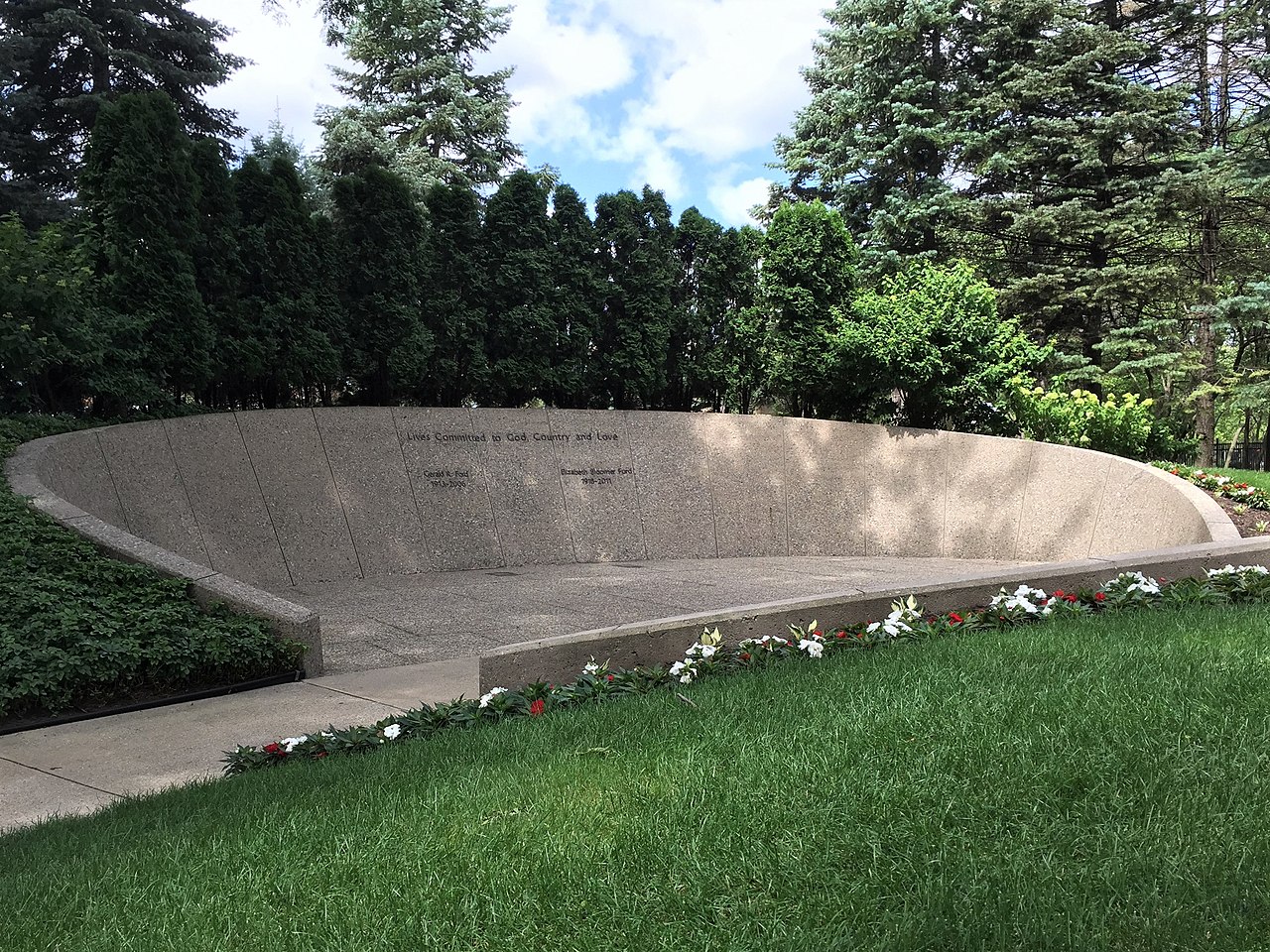
- Private interment following the public ceremonies at the Gerald R. Ford Presidential Museum grounds in Grand Rapids, Michigan.
Attendees and reactions
The funeral drew a wide range of attendees, including the sitting president, former presidents, members of Congress, foreign dignitaries, military representatives, and veterans. Political leaders offered public tributes that highlighted Ford's efforts to heal national divisions and his long record of public service. Civic organizations, veterans groups, and ordinary citizens also expressed respect and remembrance.
Legacy and notable facts
Ford's death closed the life of a president remembered for guiding the country through a difficult transition. He is the only person to have served as both Vice President and President without having been elected to either office, a distinction often noted in accounts of his career. The ceremonies following his death reflected both the constitutional traditions for honoring former presidents and the personal connections he maintained with colleagues and the public.
For further details on his biography and presidential tenure, see additional resources and official archives. 38th President biographies and museum collections preserve records of his public service and the events that marked the end of his life.
Author
AlegsaOnline.com Death and state funeral of Gerald R. Ford Leandro Alegsa
URL: https://en.alegsaonline.com/art/137347