
Davidson County, North Carolina — overview, history, and key facts
County in central North Carolina: founded in 1822, county seat Lexington, largest city Thomasville, known for furniture manufacturing and Lexington-style barbecue.
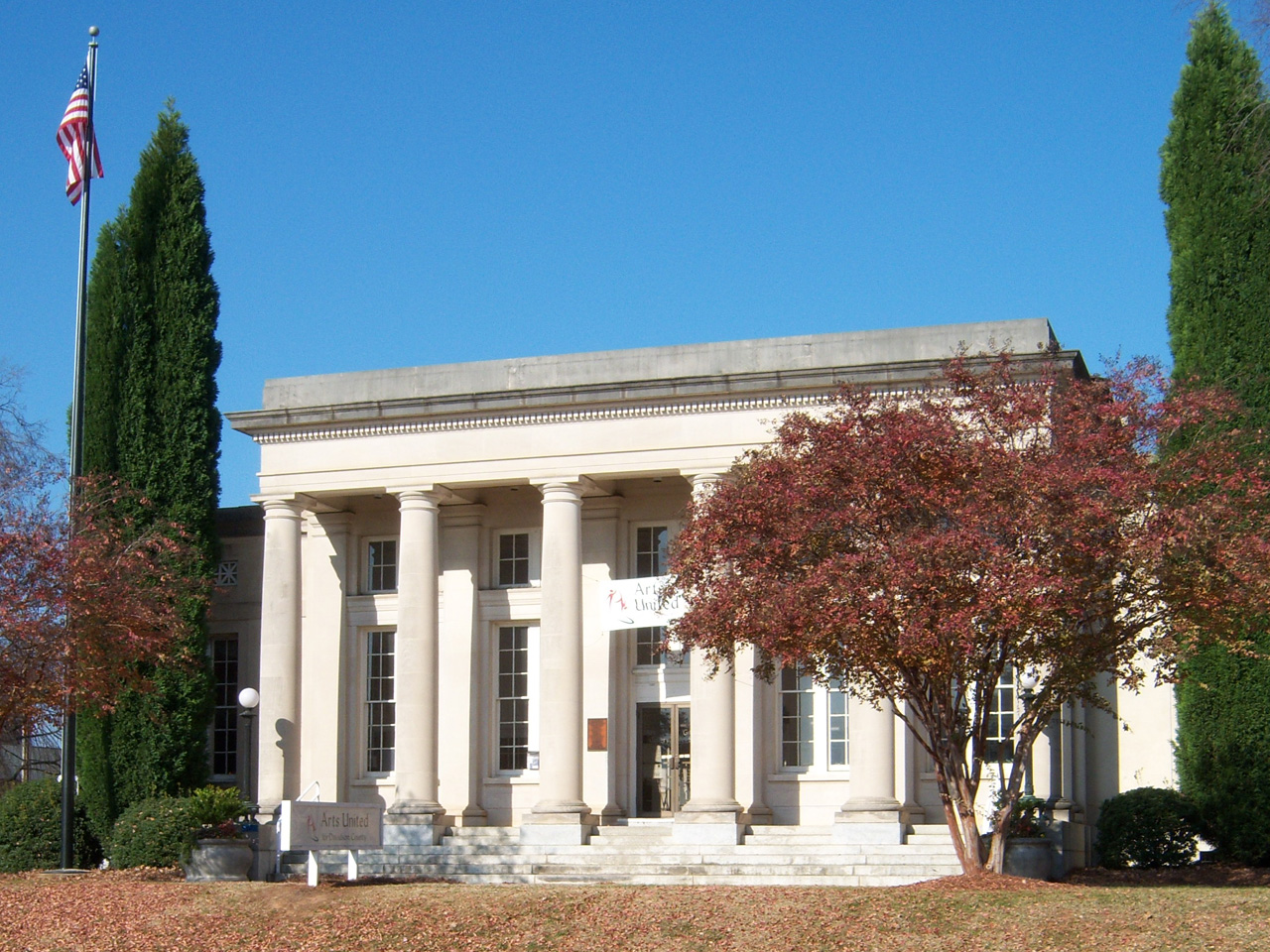
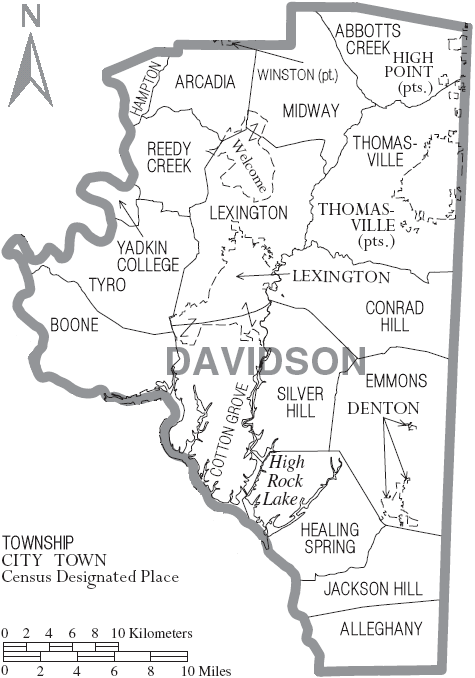
Davidson County lies in the central Piedmont region of the U.S. state of North Carolina. It combines small cities, towns and rural areas with a mix of manufacturing, agriculture and service industries. According to the 2010 census, the county had 162,878 residents. The county seat is Lexington, while the largest municipality is Thomasville.
Image gallery
9 Images



Geography and communities
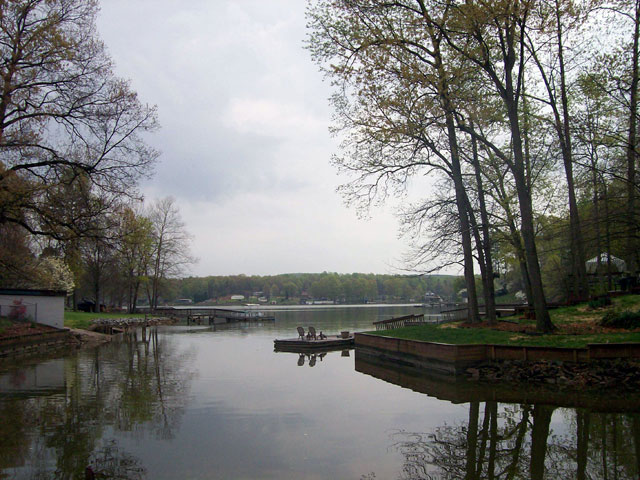
Davidson County occupies part of North Carolina's Piedmont — gently rolling hills, river valleys and several reservoirs that support recreation and local water needs. Its landscape includes a mixture of suburban neighborhoods near city centers and farming tracts farther out. Municipalities range from small incorporated towns to larger cities that serve as commerce and cultural hubs for the surrounding rural areas.
History and development
The county was established in the early 19th century from surrounding territory and named for an American Revolutionary War figure. Over the decades it grew with the expansion of textile and furniture manufacturing common to the Carolina Piedmont. Those industries shaped many towns' identities and influenced local architecture, transportation links and community institutions.
Economy, culture and attractions
Historically, furniture production and textile mills were economic anchors; in recent decades the local economy has diversified to include manufacturing, retail, healthcare and small business services. Lexington is famous regionally for its barbecue style and an annual barbecue festival that draws visitors. Thomasville developed a reputation for furniture manufacturing and related trades; local landmarks and festivals reflect that heritage.
Government, education and services
Local government provides countywide services such as public schools, courts and public safety in coordination with municipal administrations. Residents are served by K–12 school systems, community colleges and vocational training programs that support workforce needs. Parks, cultural events and fairs contribute to quality of life across the county.
Notable facts
- Mix of small-city centers and rural communities supporting agriculture and light industry.
- Recognized for regional food traditions and community festivals.
- Waterways and reservoirs offer recreational boating and fishing opportunities.
- Local history is closely tied to 19th- and 20th-century Piedmont manufacturing.
For more details about places, services and current demographics, consult local government and regional planning resources or community websites maintained by county and municipal authorities.
Author
AlegsaOnline.com Davidson County, North Carolina — overview, history, and key facts Leandro Alegsa
URL: https://en.alegsaonline.com/art/137282