
Daraa Governorate (southern Syria)
Southern Syrian governorate centered on the city of Daraa; agricultural Hauran plain, ancient sites such as Bosra, border with Jordan, and a region of modern political significance.
Overview
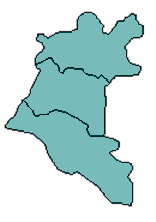
Daraa Governorate is a provincial region in southwestern Syria, with the city of Daraa serving as its administrative capital. The province occupies part of the fertile Hauran plain and forms a frontier with the Hashemite Kingdom of Jordan to the south. Its Arabic name is commonly written as مُحافظة درعا.
Image gallery
3 Images
Geography and administration
The governorate is characterized by basaltic soils on a volcanic plateau and a semi-arid Mediterranean climate: hot, dry summers and cooler, wetter winters. Administratively it is subdivided into districts and subdistricts; principal population centres include the capital Daraa and historic towns such as Bosra and Izra'.
Major towns and subdivisions
- Daraa (capital)
- Bosra (Busrā al-Sham)
- Izra' (Izra)
- Al-Sanamayn and smaller towns and rural villages
History and cultural heritage
The area has long-standing human occupation and a layered heritage of Roman, Byzantine and Islamic periods. Bosra, in particular, preserves well-known ruins including a large Roman theatre and remains of urban infrastructure; it is recognized internationally for its archaeological importance. The Hauran has been an agricultural and caravan corridor for centuries.
Economy and society
Agriculture has traditionally dominated the local economy, with cereals, vegetables and orchards making use of the plain's soils. Social life is rooted in small towns and farming communities; trade across the southern border has also been important for local livelihoods.
Recent significance and notable facts
In the 21st century the governorate has been prominent in national events and has experienced population movement and infrastructure damage associated with conflict. Its border position, historic sites and role within the Hauran plain make Daraa Governorate a region of both cultural heritage and contemporary strategic importance.
Author
AlegsaOnline.com Daraa Governorate (southern Syria) Leandro Alegsa
URL: https://en.alegsaonline.com/art/137254