
Cyclone Nisarga (June 2020) — formation, impact, and response
Cyclone Nisarga was a pre-monsoon tropical cyclone in the Arabian Sea that made landfall near Alibag, Maharashtra on 3 June 2020, prompting warnings, evacuations and localized damage in western India.
Cyclone Nisarga developed in late May and early June 2020 over the Arabian Sea and moved northeast toward the west coast of India. The India Meteorological Department (IMD) tracked the system and upgraded it to a severe cyclonic storm on 2 June 2020. Nisarga made landfall on 3 June 2020 near the coastal town of Alibag in Maharashtra, bringing heavy rains, strong winds and coastal flooding to parts of the Konkan coast and nearby districts.
Image gallery
4 Images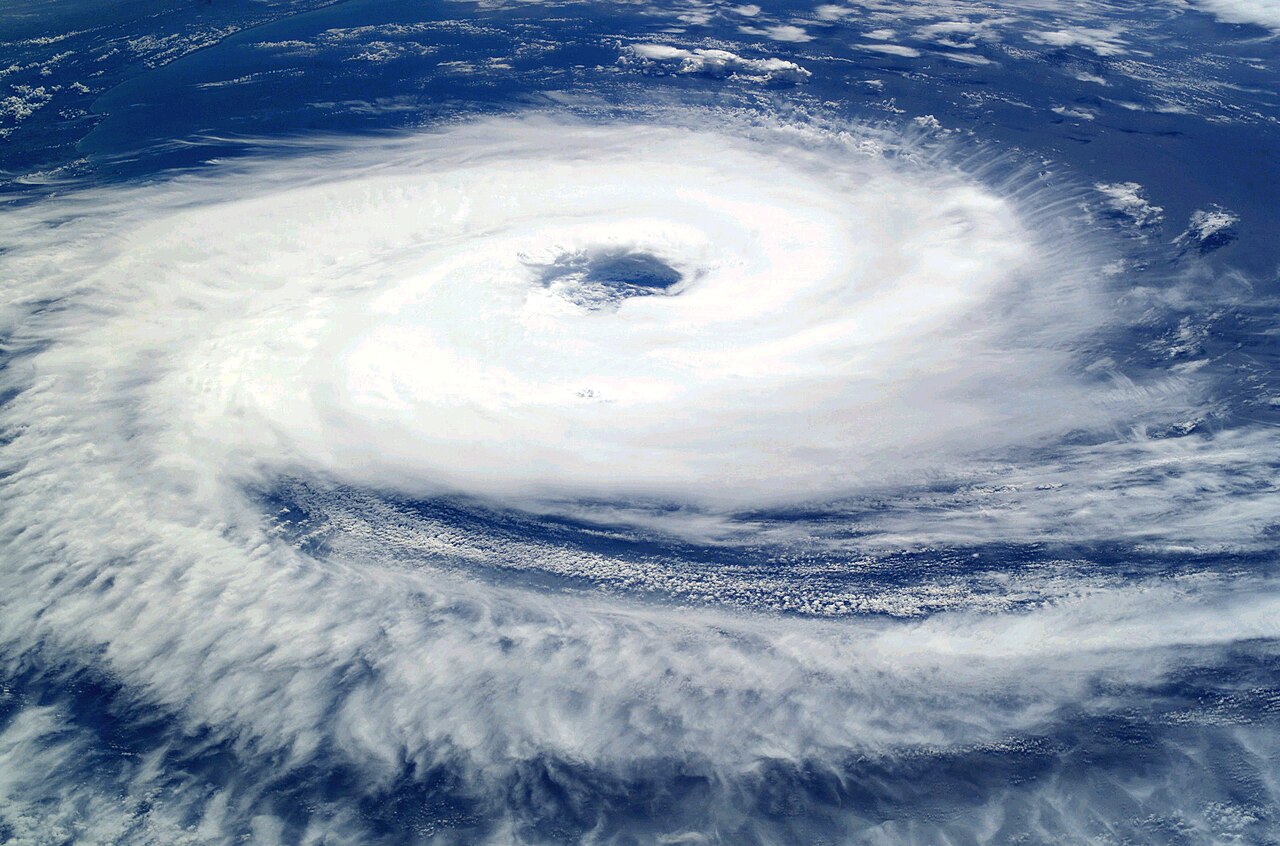


Characteristics and meteorological history
Nisarga was a compact, fast-moving pre-monsoon cyclone arising in the Arabian Sea rather than the Bay of Bengal. Such systems commonly occur in the pre-monsoon (May–June) and post-monsoon (October–December) windows. The IMD issued successive advisories as the storm intensified and approached land; local authorities used these bulletins to guide preparedness actions. The cyclone produced intense but relatively short-lived wind and rain over a narrow coastal swath.
Key features commonly noted in accounts of Nisarga included a clear circulation centre, strong gusts along the shoreline and heavy convective rainfall inland. The storm’s rapid approach reduced lead time for some communities but its limited spatial extent meant impacts were concentrated rather than widespread across the entire western coast.
Impacts and response
- Local administrations carried out warnings and precautionary evacuations in low-lying coastal areas and fishing communities; port activities and marine operations were suspended in affected districts.
- Infrastructure damage included uprooted trees, damage to houses and disruption to power and communications in coastal talukas; roads and agricultural land were affected by flooding in places.
- Emergency responders and civic agencies coordinated relief, clearing debris and restoring basic services; the response was conducted while public-health measures related to the COVID-19 pandemic were still in force, complicating shelter and evacuation planning.
Official situation reports and guidance were issued by national and state agencies; for meteorological advisories see the IMD advisories, and for local emergency information consult state and district portals such as the Maharashtra state disaster management pages. Consolidated post-event assessments and news reports give fuller accounts of damages and recovery operations.
Context and notable distinctions
Cyclone Nisarga is notable for striking the north Konkan coast near the Mumbai metropolitan region, an area less frequently affected by direct landfalls than parts of the eastern coast. Arabian Sea cyclones that make landfall in Maharashtra are relatively uncommon compared with Bay of Bengal systems that affect Odisha, West Bengal and Andhra Pradesh. Nisarga’s occurrence served as a reminder of the need for coastal preparedness along the western seaboard and the value of timely meteorological warnings and advisories.
For further reading and operational advisories consult technical bulletins and post-storm analyses provided by meteorological agencies and disaster-management bodies: see the IMD bulletins, local government statements such as those on state portals, and consolidated emergency information sources used for relief coordination.
Author
AlegsaOnline.com Cyclone Nisarga (June 2020) — formation, impact, and response Leandro Alegsa
URL: https://en.alegsaonline.com/art/137151