
Cuijk, North Brabant — former municipality and riverside town in the Netherlands
Cuijk is a town and former municipality in the Dutch province of North Brabant. Located on the Meuse and home to Roman-era finds, it had about 25,400 residents in 2021 and joined Land van Cuijk in 2022.
Overview
Cuijk is a town in the Netherlands, situated in the southern part of the country. It was an independent municipality in the province of North Brabant until 2022 and had a population of about 25,400 people in 2021. In 2022 the municipality became part of the larger administrative unit Land van Cuijk.
Image gallery
9 Images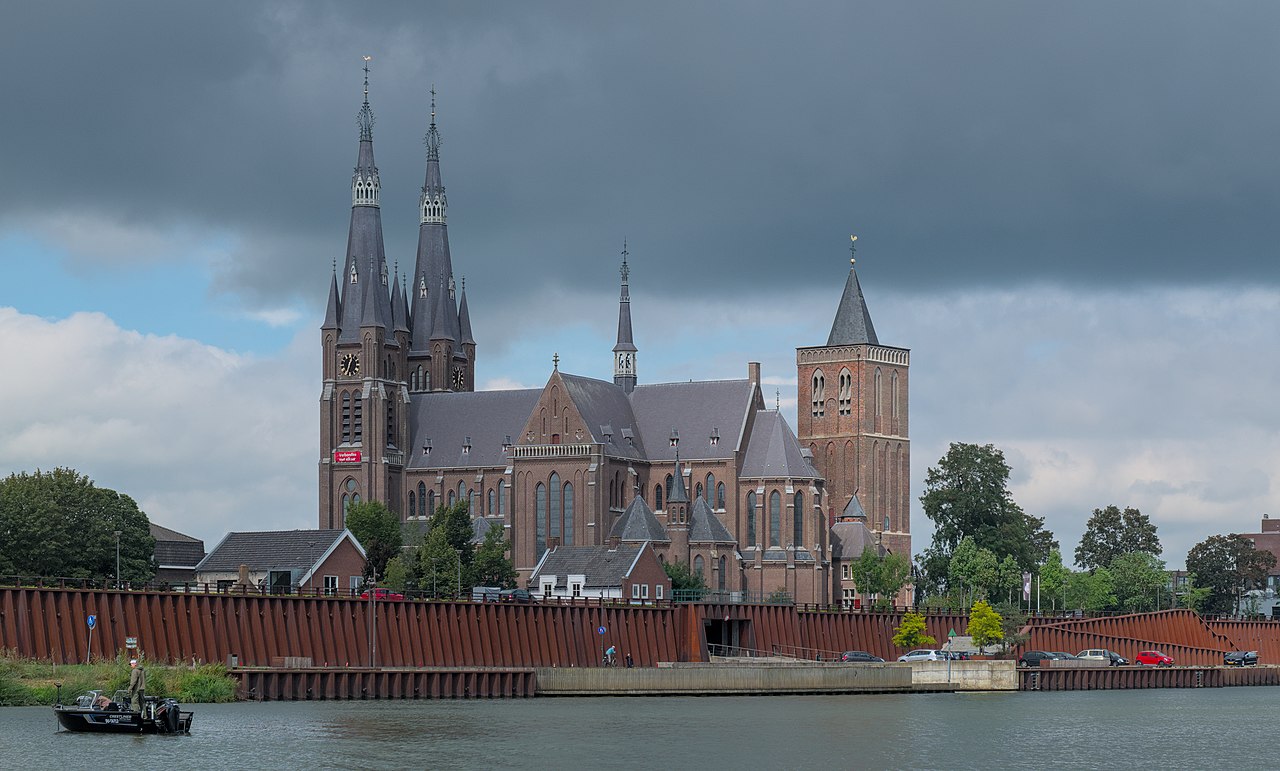




Geography and setting
Cuijk lies on the banks of the Meuse (Maas) river, which has shaped its landscape, economy and transport links. The surrounding area combines river floodplains, agricultural land and small urban centres. The riverside location has long influenced local trade, leisure and settlement patterns.
History and archaeology
The area around Cuijk has evidence of human presence dating back many centuries. Archaeological finds from Roman times have been recovered locally and are displayed in regional collections, reflecting Cuijk's long-standing role as a place on important north–south and east–west routes. During the medieval and early modern periods the town developed as a local market and parish centre.
Economy, transport and infrastructure
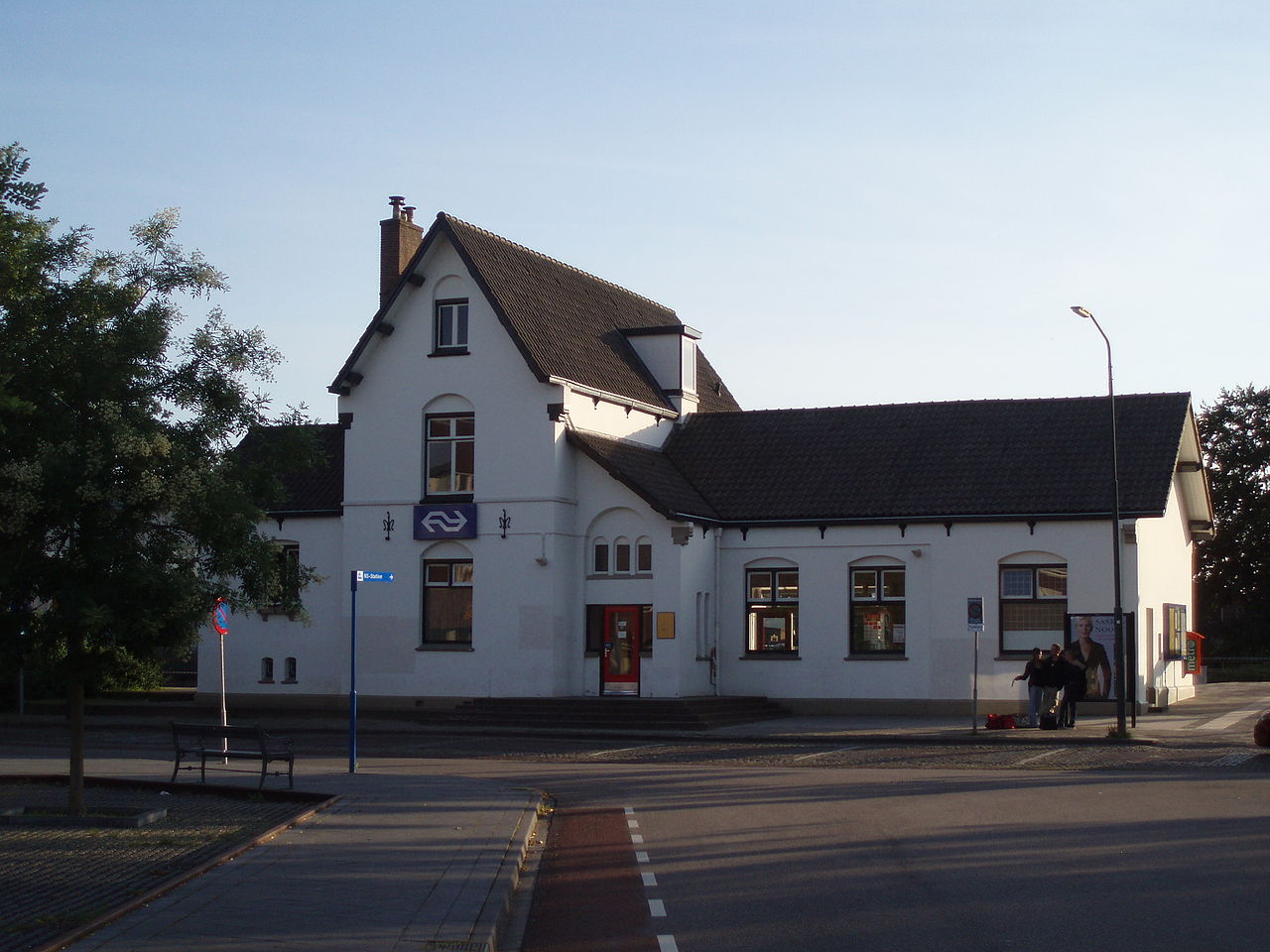
Today Cuijk functions partly as a local service centre and partly as a commuter town for larger nearby cities. It is served by regional roads and a railway station on a regional line, offering connections for commuters and visitors. Small businesses, light industry and agricultural activity all contribute to the local economy.
Culture and notable features
Cuijk hosts local cultural facilities such as museums with archaeological collections, historic churches and community venues for events and sports. Annual markets, cultural festivals and river-related recreation contribute to civic life. Visitors often notice the town's riverside promenades and preserved historic streets.
Administration and significance
The 2022 merger into the municipality of Land van Cuijk was part of a broader regional reorganisation intended to streamline governance. While administrative responsibilities changed, Cuijk remains an important local centre with a distinct identity rooted in its riverside location and long history.
- Population (2021): about 25,400
- Province: North Brabant
- Country: Netherlands
- Since 2022: part of Land van Cuijk
Author
AlegsaOnline.com Cuijk, North Brabant — former municipality and riverside town in the Netherlands Leandro Alegsa
URL: https://en.alegsaonline.com/art/137110