
Charlotte County, Virginia
Charlotte County is a largely rural county in south-central Virginia, known for small towns, agricultural land, a historic courthouse, and a 2010 population of 12,586.
Charlotte County is a county in the U.S. state of Virginia. According to the 2010 census, 12,586 people lived there. The county seat is the small town of Charlotte Court House, which serves as the center of local government and community life. The county itself is identified here as Charlotte County.
Image gallery
4 Images

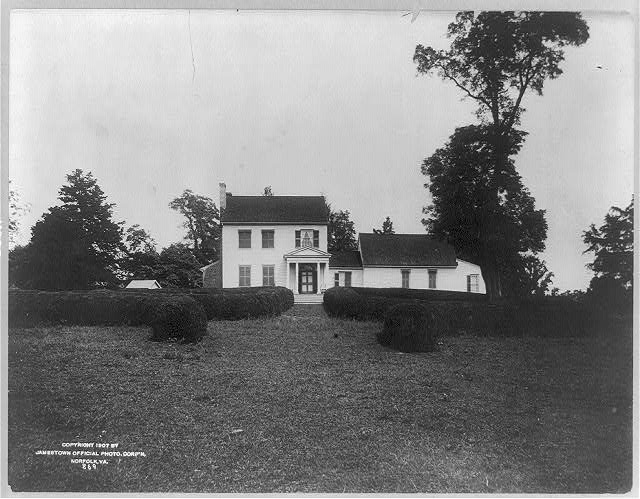

Overview and setting
Charlotte County occupies a portion of Virginia's Piedmont region, characterized by rolling hills, mixed farmland and forest. Settlement and land use have long been dominated by agriculture, with family farms, timberland and related rural industries shaping the landscape. Population density is low compared with urban parts of the state, and small towns and unincorporated communities are distributed around the county seat.
History and development
The county was created in the colonial era and named for Queen Charlotte of Mecklenburg-Strelitz. Its institutions — including the courthouse in Charlotte Court House — reflect centuries of local government and community organization. Like many Virginia counties, Charlotte County has historic sites and districts that preserve 18th- and 19th-century architecture and commemorate local events.
Characteristics and government
- County seat: Charlotte Court House (town).
- Population (2010): 12,586 (census figure).
- Region: Virginia Piedmont, largely rural and agricultural.
- Local government: county board structure and municipal services centered in the courthouse town.
The county economy relies on farming, forestry, small-scale manufacturing and local services, with many residents also commuting to nearby towns and regional centers for employment. Outdoor recreation, historic tourism and community festivals contribute to local life.
Charlotte County is best understood as a rural Virginia county with a long local history, modest population, and an economy rooted in land-based industries and small-town institutions. For more details about specific services, sites and current statistics, consult local government and state resources.
Author
AlegsaOnline.com Charlotte County, Virginia Leandro Alegsa
URL: https://en.alegsaonline.com/art/136380