
Princess Augusta of Great Britain (1737–1813)
Princess Augusta, a daughter of the British royal family and elder sister of King George III, married into the House of Brunswick and was mother of Caroline of Brunswick, later queen consort to George IV.
Overview
Princess Augusta Frederica of Great Britain (31 July 1737 – 23 March 1813) was a member of the Hanoverian royal family, born into the household of the Prince and Princess of Wales. She was a granddaughter of King George II and an elder sister of King George III. Her life illustrates the dynastic ties between Britain and the small German principalities in the 18th century.
Image gallery
6 Images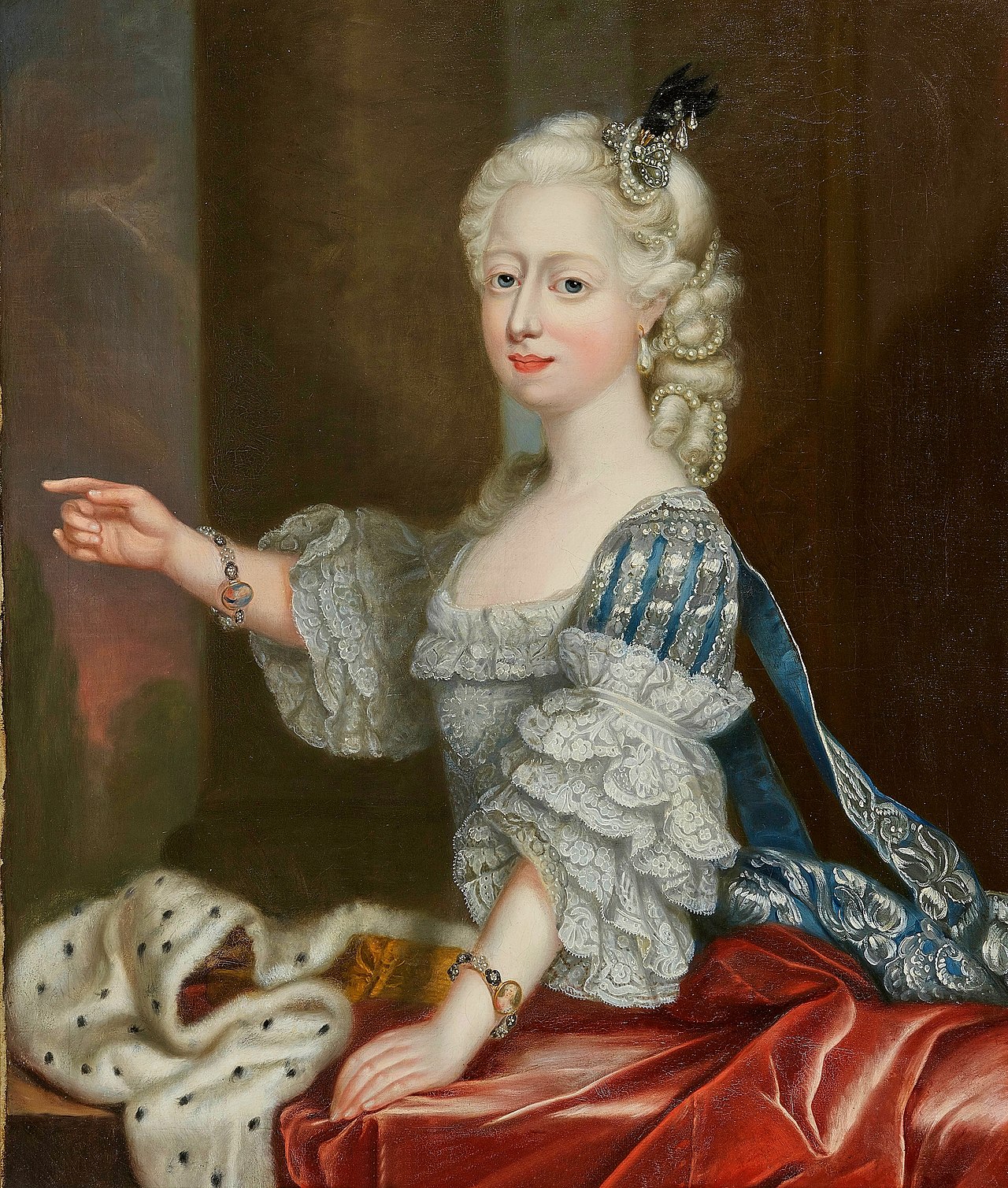


Early life and family
Born in the 1730s, Augusta grew up at the British court during a period of political and cultural change. As a princess of Britain she belonged to the circle around the Prince of Wales and his household. Family relationships and court rank shaped much of her upbringing and later prospects for marriage within the network of European royalty.
Marriage and children
In the 1760s Augusta married a member of the ducal House of Brunswick, linking the British royal family with the German duchy of Brunswick-Wolfenbüttel. The union produced seven children. Among them was Caroline of Brunswick, who later became the queen consort of King George IV of the United Kingdom. Contemporary accounts describe the marriage as unhappy, and Augusta spent substantial periods away from her husband.
Later life and significance
Augusta eventually returned to Britain, where she lived for many years before her death in 1813. Her life is often noted for the international dimension of dynastic marriages in the 18th century: alliances that tied the British crown to German principalities and shaped European politics and succession. Through her children she remained connected to major episodes in British royal history.
Notable facts
- She was both a granddaughter of George II and a sister of George III, placing her close to the center of Hanoverian succession.
- Her daughter, Caroline of Brunswick, later became a prominent and controversial figure as queen consort to George IV.
- Her marriage exemplifies the era's practice of cross‑channel dynastic alliances between Britain and German states.
Augusta's biography is representative of mid‑18th‑century royal women whose public roles were defined by family connections, marriage diplomacy, and the competing demands of court and private life.
Author
AlegsaOnline.com Princess Augusta of Great Britain (1737–1813) Leandro Alegsa
URL: https://en.alegsaonline.com/art/128981