
Cabo Daciolo
Benevenuto 'Cabo' Daciolo, Brazilian former military firefighter and politician, known for his time as a federal deputy from Rio de Janeiro, evangelical rhetoric, and his 2018 presidential pre-candidacy.
Benevenuto Daciolo Fonseca dos Santos (born 30 March 1976), widely known by his professional nickname Cabo Daciolo (Corporal Daciolo), is a Brazilian former military firefighter and politician. Born in Florianópolis, in the state of Santa Catarina, he served as a corporal in the military fire brigade before entering national politics. Daciolo became a public figure by blending his uniformed-service background with overtly religious language and nationalist themes.
Image gallery
3 Images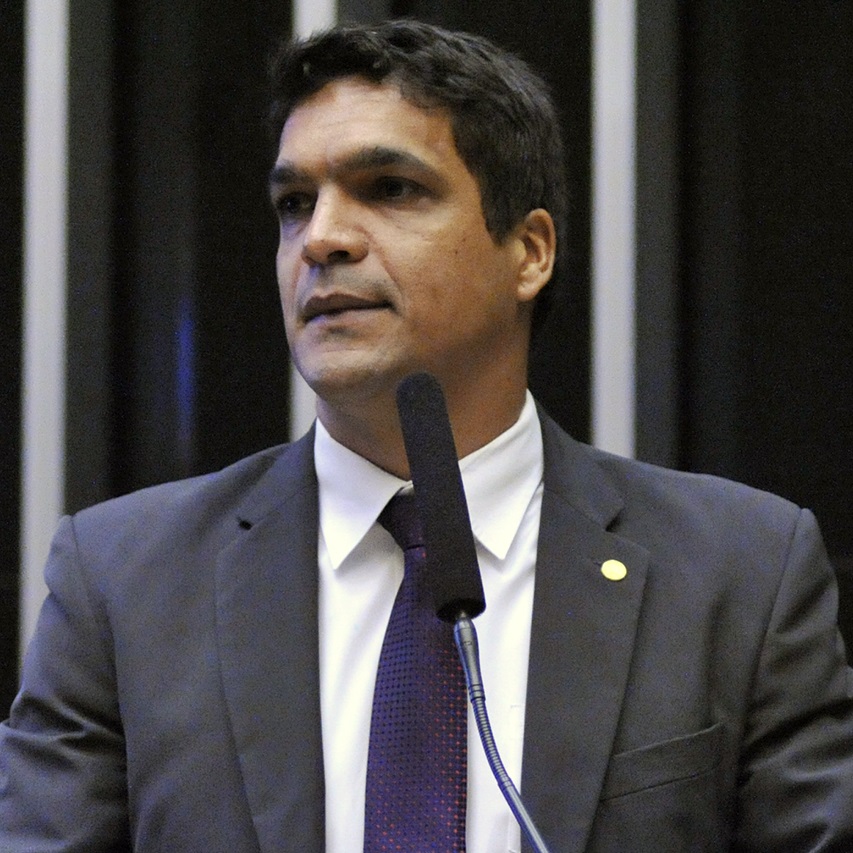


Early life and service
Daciolo's early career was in the military fire service, an institution with a visible role in public safety and civil defense. His rank of cabo (corporal) became part of his public name and identity. He used his profile as a uniformed professional and his connections in working-class and evangelical communities as a platform for political mobilization.
Political career
In the 2014 legislative elections he was elected federal deputy representing the state of Rio de Janeiro. During his term in the Chamber of Deputies he attracted attention for energetic interventions and for introducing religious and moral themes into parliamentary debates. In 2015 he was expelled from the Socialism and Liberty Party (PSOL); observers reported that the separation followed internal disagreements over rhetoric and political conduct. He later affiliated with the party Patriota (PATRI).
2018 pre-candidacy and public profile
On 28 March 2018 Patriota chose Daciolo as a pre-candidate for the office of President of Brazil in the 2018 general election. His pre-candidacy amplified his national visibility and underscored his appeal to voters interested in religious conservatism, moral renewal and anti-establishment messages. Daciolo's style combined direct grassroots language, appeals to evangelical and religious networks, and frequent use of symbolic and moral arguments.
Positions, rhetoric and reception
- Rhetoric: He is widely described as an evangelical figure in Brazilian politics; his public speeches emphasize faith, national destiny and moral change.
- Political themes: His stated priorities have centered on public order, social conservatism and the promotion of values he presents as traditional or religious.
- Support and criticism: Supporters have praised his outspoken manner and perceived authenticity; critics have viewed his approach as polarizing and often outside mainstream policy debates.
Legacy and later activity
Daciolo is cited by commentators as an example of a broader trend in Brazilian politics in which former military and uniformed-service figures use personal authority and religious networks to enter elective office. After his national visibility in 2018 he has continued to be a public figure in debates about the role of religion in politics and the intersection of security-profession backgrounds with electoral life. For background on his professional origins see resources about the military firefighter service and institutional roles.
While his political path includes party changes and high-profile interventions, assessments of his influence vary: some analysts point to his role energizing particular constituencies, while others consider his impact more symbolic than structural within Brazil's broader political landscape.
Author
AlegsaOnline.com Cabo Daciolo Leandro Alegsa
URL: https://en.alegsaonline.com/art/135955