
C. V. Raman (1888–1970): discoverer of the Raman effect
Indian physicist Sir C. V. Raman discovered Raman scattering, won the 1930 Nobel Prize in Physics, and founded institutions that advanced optical and molecular spectroscopy in India.
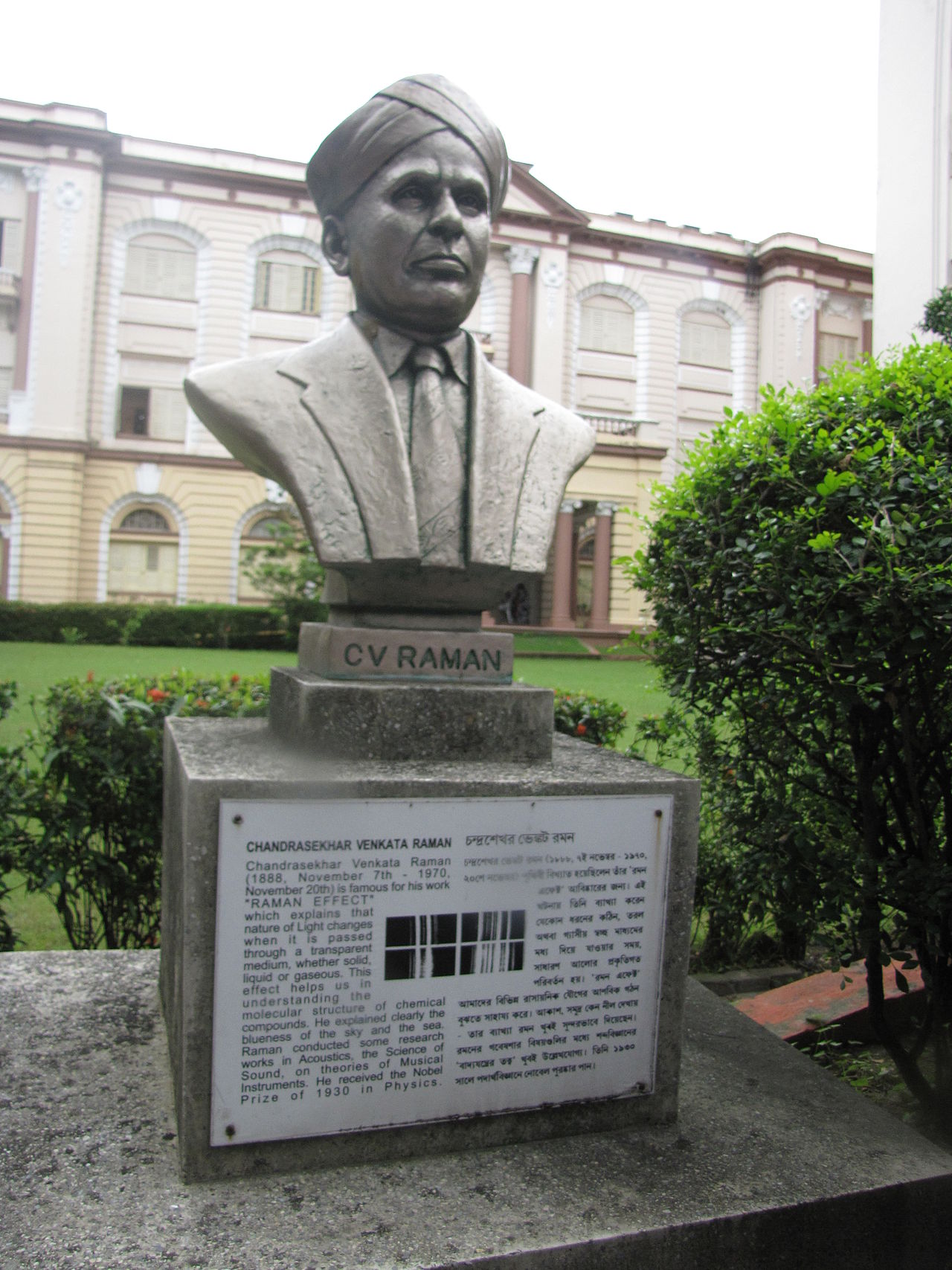
Sir Chandrasekhara Venkata Raman (7 November 1888 – 21 November 1970) was an Indian physicist best known for discovering the phenomenon of Raman scattering. His work on the interaction of light with matter established a foundational tool for studying molecular and crystal structures. Raman's discovery brought fundamental advances to optics and spectroscopy and led to wide practical applications across science and industry.
Image gallery
7 Images



Scientific contribution: the Raman effect
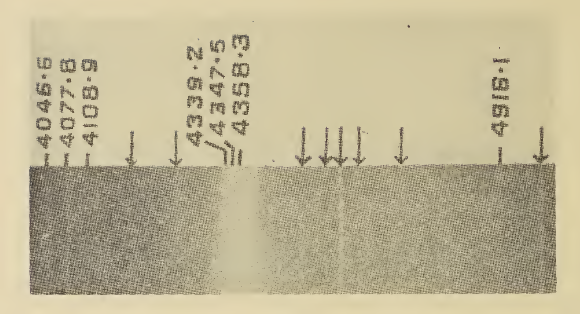
Raman observed that when light passes through a transparent material a small fraction of the scattered light shifts in wavelength; this phenomenon, now called Raman scattering, arises from inelastic interactions between photons and vibrational or rotational modes of molecules. He first reported the effect after experiments involving scattered sunlight and laboratory light sources, and the discovery opened the way to what is now called Raman spectroscopy, a technique that identifies chemical composition by measuring these wavelength shifts. For an accessible overview see Raman effect resources.
Career and institutions
Raman conducted early research at the Indian Association for the Cultivation of Science and later held positions at the Indian Institute of Science. He established the Raman Research Institute in Bangalore to pursue optical and molecular research. For biographical details and archival materials consult the biography and institutional pages at research archives.
Applications and importance
Raman's discovery underpins a widely used analytical method, Raman spectroscopy, applied across many fields. Typical applications include:
- Chemical identification and analysis of liquids, solids and gases.
- Materials characterization of semiconductors, polymers and nanomaterials.
- Biological and medical diagnostics, including tissue analysis and disease markers.
- Art conservation and forensic investigations.
These practical uses stem from the technique's ability to provide a molecular fingerprint without destroying the sample; see introductory materials at Raman spectroscopy overview.
Honors, legacy and later life
Raman received international recognition during his lifetime: he was awarded the Nobel Prize in Physics in 1930 for his work on light scattering, was elected a Fellow of the Royal Society, and later received India's highest civilian award, the Bharat Ratna, in 1954. He was also knighted for his contributions to science. His legacy endures through the instruments, methods and institutions that bear his name, and through ongoing research that extends Raman-based techniques into new areas. For honors and commemorations see award citations.
Raman remained active in research until his death in 1970; accounts note that he died at his institute's garden surrounded by flowers. Contemporary remembrances and obituaries discuss both his scientific achievements and his role in developing scientific infrastructure in India—see further reading and memorial material at obituary and memorial sources.
Author
AlegsaOnline.com C. V. Raman (1888–1970): discoverer of the Raman effect Leandro Alegsa
URL: https://en.alegsaonline.com/art/135948