
Broșteni, Suceava County — a small town in northeastern Romania
Broșteni is a small town in Suceava County, northeastern Romania. It serves as a local centre for nearby rural communities and is surrounded by forested foothills of the Eastern Carpathians.
Broșteni is a small town in northern Romania. It lies in Suceava County in the historical region of Bukovina and is part of the country's northeastern area, accessible by regional roads. General information about the town can be found via local sources such as the town office Broșteni town page or county-level resources. For national context see Romania.
Image gallery
4 Images

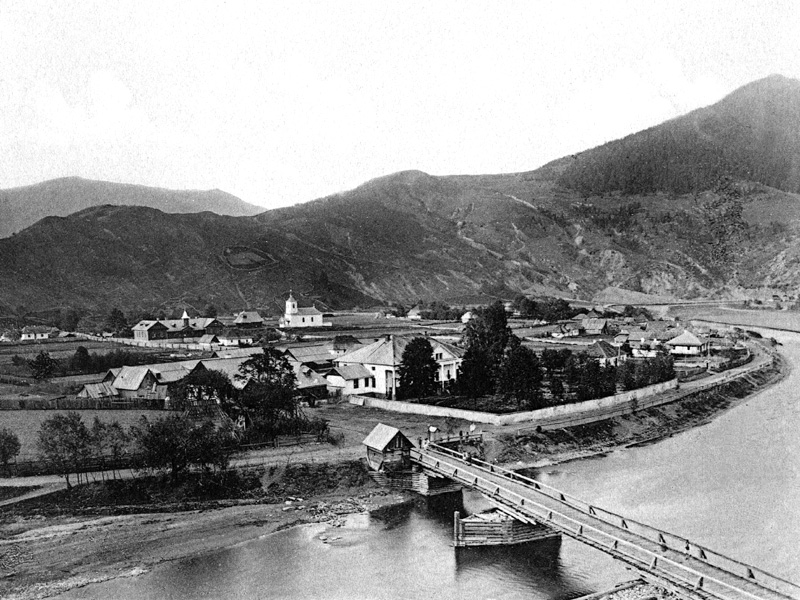

Overview and population
Broșteni has the character of a small urban centre that serves surrounding villages. Estimates place its population at roughly twelve thousand residents; this figure should be understood as approximate because small towns often experience demographic change. The built-up area is compact and the town functions as a local service and market hub.
Geography and environment
The town sits near the foothills of the Eastern Carpathians and is surrounded by forests and rolling hills. Its landscape is typical of northern Moldavia and southern Bukovina: river valleys, mixed woodlands and mountain approaches that influence local microclimate and land use. These natural features shape local livelihoods and recreational opportunities.
Economy and services
Broșteni's economy is based largely on natural-resource and service activities common to small towns in the region. Prominent sectors include forestry and wood-processing, retail and public administration, plus small-scale agriculture in nearby villages. The town provides basic services: schools, health clinics, shops and municipal administration serving the wider area.
Culture, tourism and transport
The town is a gateway for visitors seeking outdoor activities such as hiking, sightseeing and rural tourism in the Carpathian foothills. Local cultural life reflects Bukovinian traditions with seasonal fairs, religious observances and community events. Broșteni is connected by county roads to larger towns in Suceava County and functions as a local transport node for residents and visitors.
Notable points
- Serves as a local centre for nearby rural communities.
- Surrounded by forests and mountain foothills that support forestry and tourism.
- Population and administrative role are modest but regionally important.
For further details consult local administrative pages and county publications linked above. The town’s compact size and natural setting make it typical of small Carpathian foothill settlements in northeastern Romania.
Author
AlegsaOnline.com Broșteni, Suceava County — a small town in northeastern Romania Leandro Alegsa
URL: https://en.alegsaonline.com/art/135697
Sources
- fallingrain.com : fallingrain.com/world/RO/0/Brosteni2.html
- Broșteni