
Bozas (Ardèche) — commune in Auvergne-Rhône-Alpes, France
Bozas is a small rural commune in the Ardèche department of Auvergne-Rhône-Alpes, south-central France, noted for its rolling countryside, agricultural traditions and village heritage.
Bozas is a small village and town officially organized as a commune within the Ardèche département of France. Located in the south‑central part of the country, the settlement typifies rural communes of the Auvergne‑Rhône‑Alpes region, with a close-knit village centre surrounded by agricultural land and woodland.
Image gallery
1 Image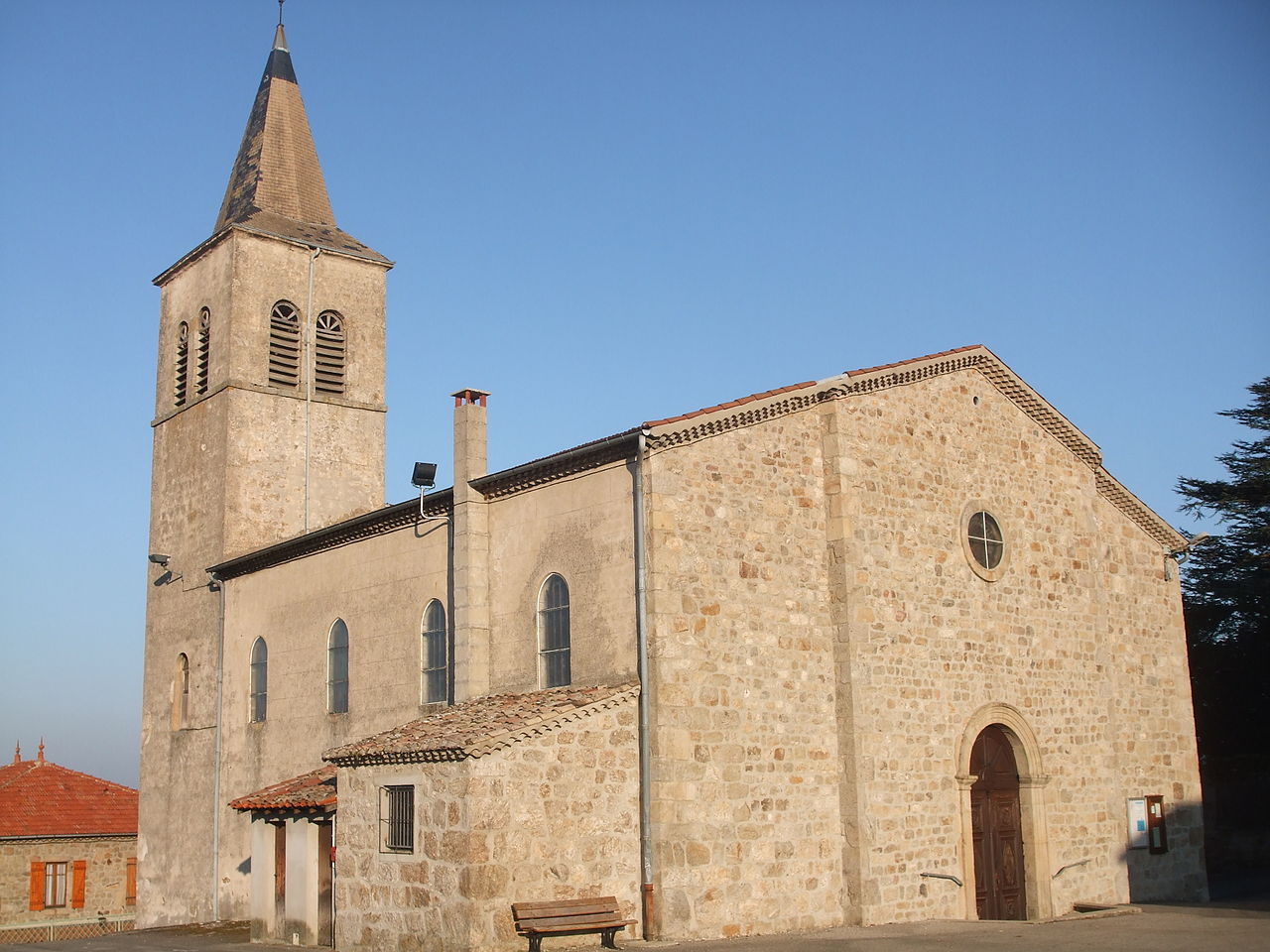
Geography and administration
The commune occupies a modest area of rolling hills and mixed farmland. Local terrain commonly includes pasture, patches of forest and limestone outcrops typical of the broader Ardèche landscape. Administratively it is governed by a municipal council and mayor, as are French communes of similar size, and it participates in intercommunal structures for shared services.
History and heritage
Like many villages in the region, Bozas grew from medieval rural settlement patterns. Remnant buildings and the village church reflect historical layers of local architecture, while field boundaries and farmsteads show centuries of agricultural use. The historical identity is tied to small‑scale farming, rural crafts and parish life.
Economy, population and daily life
The local economy is principally agricultural and rural in character: mixed farming, livestock, forestry and small businesses oriented to local needs and seasonal visitors. Population figures are modest and community life centers on village institutions, occasional markets and local associations that maintain traditions and services.
Sights and activities
Visitors and residents appreciate the quiet village atmosphere, walking routes through hedged fields and woodlands, and modest heritage sites such as the village church and traditional houses. Local festivals and markets, when held, celebrate regional food, crafts and customs; nearby natural areas offer opportunities for hiking.
For practical information—administrative contacts, cultural events and visitor guidance—consult the municipality or regional resources. Additional details and maps are available via the town page (Bozas) and departmental portals (Ardèche, département), which collect up‑to‑date notices on services and access (commune, national).
- Typical landscape: rolling hills, farmland and woodland
- Local economy: agriculture, forestry, small services and tourism
- Character: historic village core, rural community life
Related articles
Author
AlegsaOnline.com Bozas (Ardèche) — commune in Auvergne-Rhône-Alpes, France Leandro Alegsa
URL: https://en.alegsaonline.com/art/13553